
Aave DAO members have put forward a governance proposal to pause the protocol's token buyback program, citing fallout from the KelpDAO rsETH incident that rattled DeFi lending markets in late April 2026.
The proposal, posted on the Aave governance forum as an ARFC (Aave Request for Comments), calls for a temporary halt to buybacks while the DAO reassesses its treasury exposure and risk controls in light of recent events.
KelpDAO's rsETH Incident Triggered the Proposal
The catalyst was the rsETH depeg event on April 20, 2026, which forced Aave into a coordinated DeFi response. An incident report published on the Aave governance forum detailed how the liquid restaking token's instability created cascading liquidation risk across lending pools.
Aave was among the protocols leading a broader effort to contain what Decrypt described as a $292 million KelpDAO fallout. The scale of the exposure prompted DAO contributors to question whether buybacks, which reduce treasury reserves, should continue during periods of elevated protocol risk.
Key Takeaways
- An Aave governance proposal seeks to temporarily pause AAVE token buybacks following the KelpDAO rsETH incident.
- The $292 million fallout from the rsETH depeg exposed treasury risk during active buyback programs.
- The vote could set a precedent for how DeFi protocols manage treasury reserves under stress.
In the Aave DAO context, buybacks use protocol revenue to purchase AAVE tokens from the open market, reducing circulating supply and theoretically supporting token value. Pausing them preserves capital for potential bad debt coverage or emergency liquidity needs.
Treasury Preservation Takes Priority Over Tokenomics
The distinction matters: this is a pause, not an elimination. The proposal frames the halt as a temporary risk management measure, not a permanent policy shift. Separate Aave DAO funding insights published on the governance forum had already outlined the protocol's treasury position and capital allocation strategy.
If the vote passes, Aave would redirect funds that would have gone to buybacks toward maintaining deeper reserve buffers. For AAVE tokenholders, the short-term signal is defensive, prioritizing protocol solvency over supply-side support for the token price.
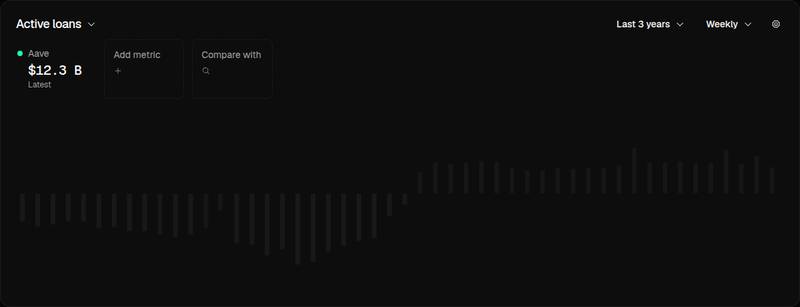
The outcome will be closely watched by AAVE holders, DeFi treasury managers, and competing lending protocols evaluating their own buyback exposure. Similar to how Grayscale recently restructured its custody arrangements to manage institutional risk, Aave's move reflects a broader trend of crypto entities tightening financial controls.
A Stress Test for DeFi Governance
The Aave vote carries weight beyond a single protocol's treasury policy. As one of DeFi's largest lending platforms, its governance decisions often signal norms for the wider ecosystem.
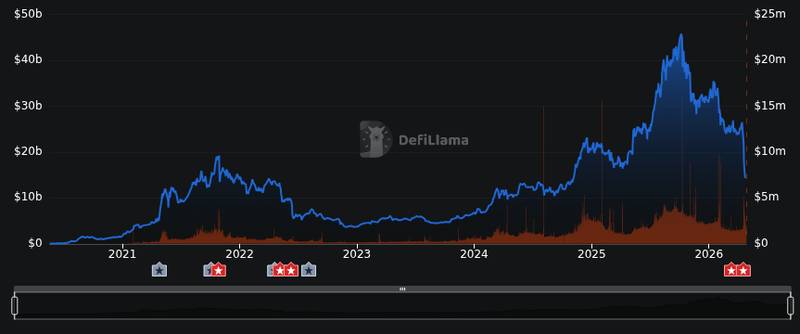
If Aave pauses buybacks as a defensive governance response, other DAOs facing similar liquid staking exposure could follow suit. The rsETH incident demonstrated how a single restaking token's instability can propagate across multiple protocols simultaneously, a risk pattern that has parallels to how physical security threats in crypto have forced the industry to rethink assumptions about operational risk.
The episode also raises questions about transparency in DAO treasury management. Community members on the governance forum discussion thread have pushed for clearer frameworks governing when buybacks should automatically pause during market stress events.
The ARFC vote is currently open on the Aave governance forum. If it advances, a formal on-chain Snapshot or Aave Improvement Proposal would follow. Meanwhile, institutional players continue deploying capital into digital assets at scale, underscoring the divergent risk appetites across crypto's institutional and decentralized sectors.
Disclaimer: This article is for informational purposes only and does not constitute financial or investment advice. Cryptocurrency and digital asset markets carry significant risk. Always do your own research before making decisions.