
Bitcoin's whitepaper has made its way onto Wall Street, with Bitcoin Magazine reporting that the foundational document was spotted on display at the New York Stock Exchange. The appearance adds to a growing list of Bitcoin symbols taking up residence inside one of traditional finance's most iconic institutions.
Bitcoin Magazine posted on February 21, 2026 that the Bitcoin whitepaper was on display at the NYSE. However, no official NYSE or Twenty One Capital statement has been found confirming who placed the whitepaper display or whether it is permanent, according to unconfirmed reports from a single source.
The display follows a related development from December 2025, when the NYSE confirmed that Twenty One Capital placed a statue of Satoshi Nakamoto inside the exchange. That installation, described by Satoshi Gallery as the sixth of 21 planned Satoshi Nakamoto statues, coincided with Twenty One Capital's NYSE listing under the ticker XXI, which began trading on December 9, 2025.
Why the whitepaper still carries symbolic weight on Wall Street
Satoshi Nakamoto's 2008 whitepaper remains Bitcoin's founding blueprint. It introduced the concept of a peer-to-peer electronic cash system that operates without intermediaries, a direct contrast to the centralized infrastructure that Wall Street represents.
Seeing that document displayed inside the NYSE creates a striking visual tension. The exchange that has long symbolized institutional gatekeeping is now hosting artifacts from a movement built to bypass it. For crypto advocates, the symbolism is hard to overstate.
Twenty One Capital's broader presence at the NYSE, from the Satoshi statue to its listing as a Bitcoin-native public company, reinforces the bridge forming between decentralized assets and legacy finance. The company completed its business combination with Cantor Equity Partners and secured shareholder approval ahead of the December listing, as detailed in its official press release.
Market sentiment tells a different story than the symbolism
Despite the narrative of growing institutional acceptance, Bitcoin's market mood is far from euphoric. The Fear & Greed Index sat at 15, classified as Extreme Fear, at the time of the report.
Bitcoin traded at $73,323 with a 24-hour change of roughly 0.57%. Market capitalization held near $1.47 trillion, while 24-hour trading volume reached $24.16 billion.
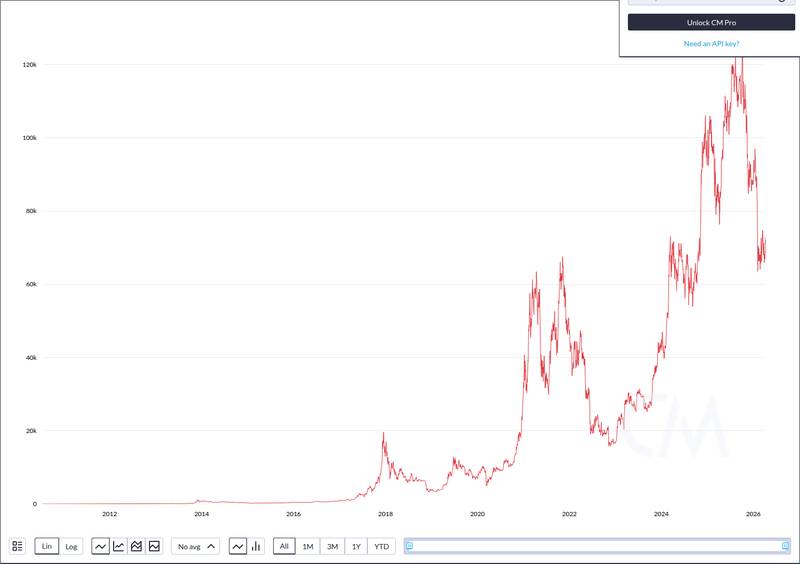
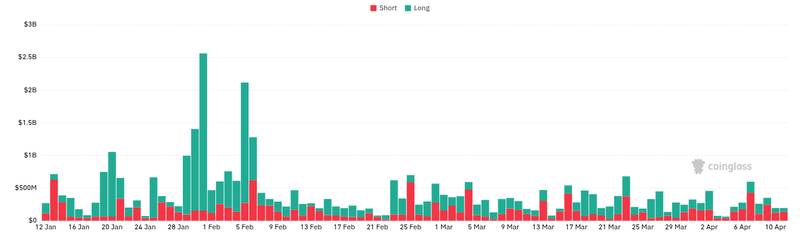
The disconnect between symbolic wins and actual market sentiment is notable. Wall Street placements and institutional listings generate headlines, but they have not translated into risk-on behavior among traders. Recent developments like the CFTC exploring a role as primary crypto regulator and government Bitcoin transfers to Coinbase Prime reflect a market still navigating regulatory uncertainty.
Narrative-driven stories tend to shape attention more than price action in the short term. The whitepaper's appearance at the NYSE may bolster long-term confidence in Bitcoin's institutional trajectory, but traders watching the Extreme Fear reading are clearly weighing other factors more heavily.
Twenty One Capital's own filing flagged significant legal and regulatory uncertainty around Bitcoin, a reminder that even companies building their identity around the asset acknowledge the risks. As broader crypto news cycles continue to shift rapidly, the whitepaper's Wall Street moment is symbolic, not a market catalyst.
Disclaimer: This article is for informational purposes only and does not constitute financial or investment advice. Cryptocurrency and digital asset markets carry significant risk. Always do your own research before making decisions.