Understanding Layer 2 Solutions: Scaling the Future of Blockchain
Explore Layer 2 solutions, a breakthrough in blockchain technology that enhances scalability, reduces fees, and improves transaction speeds. Discover how Layer2 scaling is shaping the future of decentralized applications.
Due to the growth of the blockchain technology, there is a demand for a solution which will possess the characteristics of being faster, less costly and more scalable.That is where Layer 2 solutions come to the picture.The Layer 1 blockchains, which include Bitcoin and Ethereum, are the basic structure of decentralized systems, but the Layer 2 solutions seek to improve them, as they struggle with challenges like escalation of fees, time, and scalability among others.
What are Layer 2 Solutions?
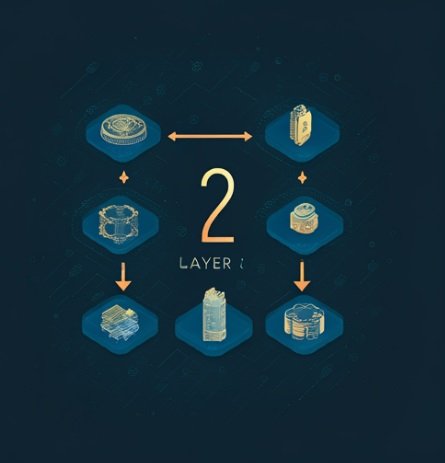
Layer 2 Solutions Image created by Gemini
Layer 2 solutions are protocols that operate on top of existing blockchains (Layer 1) to improve their efficiency. They don’t alter the core blockchain but rather create an additional layer where transactions can be processed more quickly and affordably. These solutions are aimed to be used for scaling Layer 1 blockchains, keep them from being congested, and increase throughput.
Some key benefits of Layer 2 solutions include:
Lower Transaction Fees: Compared to Layer 1 solutions, Layer 2 solutions greatly decrease the fees required for transactions.
Enhanced Scalability: Layer 2 can perform thousands of transactions per second (TPS), while Layer 1 blockchains perform a limited number of them.
Fast Processing: Basically, Layer 2 makes the transactions almost instantly, unlike waiting for the block confirmation on the main chain.
Types of Layer 2 Solutions
There are several types of Layer2 solutions, each designed to address specific challenges faced by blockchains:
State Channels:
In State Channels, two individuals are able to undertake as many transactions as they desire off the main blockchain with only the final state transacted on main blockchain.This makes the reallocation of funds less expensive because multiple on-chain transactions can be replaced by one single on-chain transaction.
Example: The Lightning Network of Bitcoin is one of the oldest state channel implementations that affects bitcoin and makes micropayments with less fee.
Rollups:
Rollups aggregate numerous transactions into a single transaction that is then presented onto the main chain.They shift most of the record of the transactions to off-chain while cementing the end result on-chain.
There are two types of rollups:
Optimistic Rollups: These assume that transactions are valid by default, but they can be challenged if fraud is suspected.
ZK (Zero-Knowledge) Rollups: These employ proofs that cryptographic to show the validity of the transaction without transmitting all the transaction information.
Example: Currently, there are optimistic rollup projects such as Arbitrum and Optimism, while ZK-rollup solutions are represented by zkSync.
Plasma:
Plasma is a formation of micro chains or ‘child’ chains that are built independently of the principal blockchain.A wide array of the transactional data is managed by plasma chains, contributing only a concise report of the transactions to the main chain.
Example: OmiseGo (OMG Network) improves the scalability of Ethereum through Plasma.
Sidechains:
Sidechains are blockchains that exist alongside the main blockchain (Layer 1).They have their own consensus mechanisms, but to exchange assets and data with the main chain the latter has to use bridges.
Example: Polygon is an Ethereum sidechain previously known as Matic and known for providing cheap and instant transactions.
Importance of Layer 2 Solutions for Ethereum
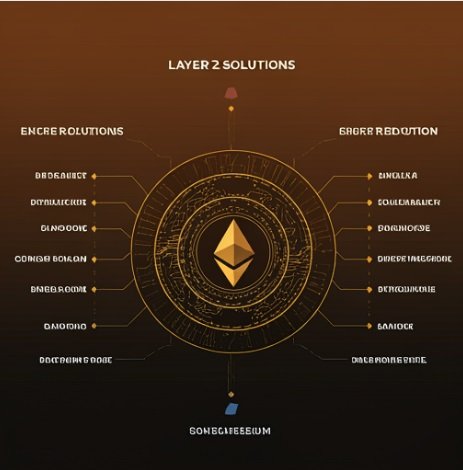
Layer 2 Solutions for Ethereum | Image Credit GeminiAs a second largest blockchain by market capitalization, Ethereum has experienced some difficulties which stem from congestion and high gas fees.Layer 2 has become important solutions to assist Ethereum to scale and respond to the forces of dApps and DeFi.
With Ethereum shifting to Ethereum 2.0 which will be using Proof of Stake (PoS) and sharding; Layer 2 solutions will continue to future the scaling process while retaining sound security and decentralization.
Layer 2 Solutions in the Crypto Space
Layer 2 Solutions in the Crypto Space | Image credit Gemini
As the blockchain industry matures, Layer 2 solutions are gaining momentum. Some of the key projects integrating Layer 2 solutions include:
Uniswap: The largest DEX in terms of volume has integrated with Layer2 solutions such as Optimism.
Aave: The famous decentralized finance lending platform is considering the use of Layer 2 solutions for minimizing transaction costs and enhancing the usability.
SushiSwap: One more significant DEX that has applied Layer 2 solutions, for instance, Arbitrum.
Conclusion: The Future of Layer 2 Solutions
There can be no doubt that Layer 2 solutions are essential for the continued advancement of blockchain.With the increased use of dApps, DeFi applications, and participants, Layer 1 blockchain networks are insufficient to provide enhanced, cost-effective, and efficient transactions.As such, using Layer2 technologies, it is possible to scale the blockchain ecosystem and benefit billions of users without compromising decentralization or security.
Over the course of the next few years, Layer 2 solutions are poised to become the backbone of blockchain’s scalability in its quest for mainstream adoption and a disruptive model for how decentralized networks function.
By integrating Layer2 solutions into major blockchain platforms like Ethereum and Bitcoin, the crypto industry is addressing one of its most pressing challenges: scalability. Polygon, Optimism, zkSync, is just a few among the teams that paved the way to the future of blockchain — scalable, affordable, and friendly to everyone.