

| Sponsored Post Disclaimer: This publication was produced under a paid arrangement with a third-party advertiser. It should not be relied upon as financial or investment counsel. |
Early crypto cycles usually begin quietly. They often start with unusual systems, fixed numbers, and clear rules instead of loud promotion. In early 2026, this pattern is appearing again. That is why Zero Knowledge Proof (ZKP) is now gaining attention far outside its original user base.

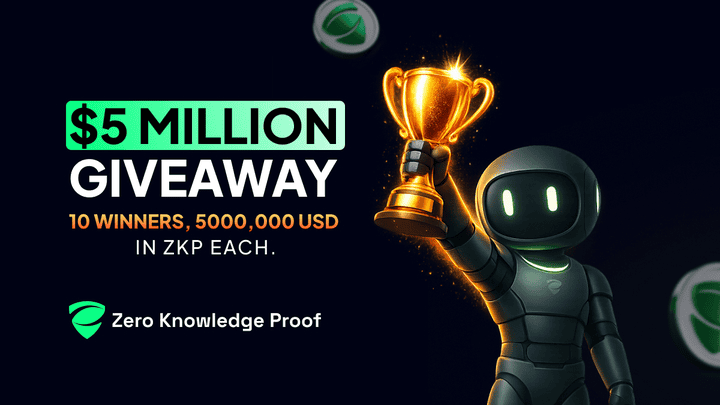
The main number drawing interest is clear: $5,000,000 USD set aside for ten winners, with each winner receiving $500,000 worth of ZKP. However, the reward alone is not the main driver. What matters more is the structure behind it, including how tokens are released, how supply moves, and how participation is carefully limited through fixed rules.
A $5M Reward Program Driving Active Participation
Zero Knowledge Proof’s reward system is built with clear numbers. The prize pool is fixed. Only ten winners are selected. Each winner receives exactly $500,000 in ZKP. To join, participants must hold at least $100 worth of ZKP and complete simple tasks such as following official channels and using referrals to increase entries.
The referral model is also public and simple: 20% to the referrer and 10% to the referred user. This is higher than many older programs. Because of this design, the reward campaign acts as an extra incentive layer tied directly to the active presale auction.
Most importantly, the giveaway does not avoid the main system. All participants still buy Zero Knowledge Proof (ZKP) through the same presale auction process. This balance is why analysts often mention Zero Knowledge Proof (ZKP) when reviewing a crypto presale 2026 that focuses on fair access instead of private deals.
200M Tokens Released Daily and Why It Shapes Demand
Instead of releasing large token blocks at once, Zero Knowledge Proof (ZKP) follows a strict schedule. Exactly 200 million tokens are released each day. The amount does not change. There are no bonus unlocks and no surprise increases.
This steady release builds a stable environment where price movement reflects real demand instead of news events. Each new day resets access, while wallet limits of around $50,000 help stop large buyers from taking control of supply.
For investors tracking the best crypto to buy now, this design matters. It avoids forced scarcity while still making earlier access more valuable. Over time, older presale auctions close permanently. Prices rise not because of hype, but because earlier opportunities disappear from the system.
$100M Infrastructure Built Before Public Access Opened
Another number often discussed around Zero Knowledge Proof (ZKP) is its $100 million internal build budget. Before opening public access, the project completed its core network structure. This included the blockchain layer, proof tools, and compute systems.
This approach is different from most presales, where funds are raised before products exist. Zero Knowledge Proof (ZKP) entered the crypto presale 2026 market after its main system was already working.
Instead of asking users to fund development, the project allowed access only after the building was finished. This strategy has drawn attention from long-term observers who prefer finished systems over early concepts.
Built-In Privacy Tools and Verified Compute Systems
From a technical view, Zero Knowledge Proof (ZKP) focuses on private computing. The network uses zk-SNARK and zk-STARK proofs. These tools allow data and calculations to be verified without exposing private information. EVM and WASM support also allows smart contracts and advanced computing to operate on the same chain.
The network uses a hybrid system with Proof of Intelligence (PoI) and Proof of Space/Storage (PoSp). This balances computing work with resource contribution. These features are already live in a public preview testnet, where users can test computing and proof features before full launch.
Because of this readiness, Zero Knowledge Proof (ZKP) is often mentioned when discussing the best crypto to buy now, especially among users focused on strong infrastructure instead of fast price cycles.
Token Distribution With No Private Access Routes
Another reason Zero Knowledge Proof (ZKP) attracts attention is what it avoids. There are no private rounds, no special pricing tiers, and no early unlocks for selected groups. Every token enters circulation through the same presale auction rules.

In a crypto presale 2026 environment, this is rare. Many projects still reserve early advantages for limited users. With Zero Knowledge Proof (ZKP), only timing creates an advantage, and timing is visible to everyone. Once each daily presale auction closes, that chance is gone forever. There is no rewind, no replay, and no return to older prices.
Final Thoughts
Zero Knowledge Proof (ZKP) does not rely on promises about future development. Instead, it points to what already exists: a live presale auction, fixed supply rules, working infrastructure, and reward systems tied directly to participation.
Past crypto cycles often rewarded users who noticed structure before public attention arrived. In 2026, Zero Knowledge Proof (ZKP) remains in that early stage, guided by numbers instead of hype. While outcomes are never guaranteed, the conditions that once signaled major growth are once again visible to those who are watching closely.
Explore Zero Knowledge Proof:
Website: https://zkp.com/
Auction: https://auction.zkp.com/
Telegram: https://t.me/ZKPofficial
| Disclaimer: The text above is an advertorial article that is not part of CoinLineup editorial content. |


About the author


Bitcoin Perps Get US Green Light, but One Catch Could Decide What Happens Next
Bitcoin perpetual futures have a US green light, but one unresolved catch could shape trader access, liquidity, and the market response.

Coinbase Opens Regulated Deribit Options for U.S. Institutions
Coinbase has opened access to regulated Deribit options for U.S. institutions, expanding institutional crypto derivatives access and market reach.

Sui Mainnet Experiences Network Stall, Pausing Activity
Sui mainnet experienced a network stall that paused activity across the chain. This outline covers what happened, likely impact areas, and what users should watch next.

Satoshi Nakamoto Bitcoin Lawsuit Says BTC Is Lost Property
A new lawsuit argues Satoshi Nakamoto's bitcoin should be treated as lost property. Here's what the claim means and why it matters for Bitcoin.
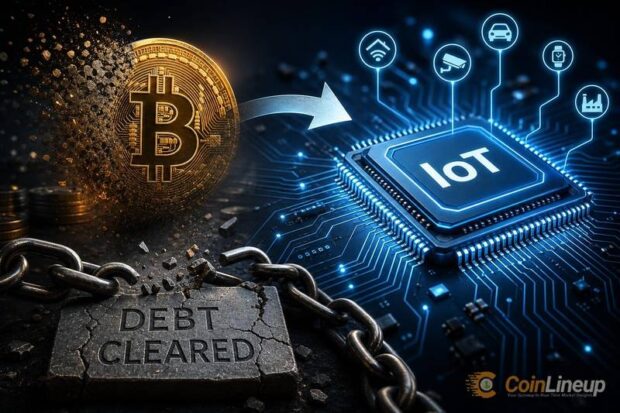
Sequans Drops Bitcoin Reserve, Returns to IoT Chips After Debt Clear
Sequans is abandoning its Bitcoin reserve plan and refocusing on IoT chips after clearing debt. Here is the key context, strategic shift, and what it signals.
Trump Media’s Bitcoin Treasury Is Underwater — What the Crypto.com Transfer Signals
Trump Media's Bitcoin holdings are trading at a loss after a transfer to Crypto.com sparked speculation about a potential sale. Here's what the on-chain data shows.
Related
CoinMarketCap Warns Users About Fake CMC Token Scam
CoinMarketCap warns users about a fake CMC token scam. Here is what happened, what users should watch for, and why the warning matters.

Spartans.com Inks Exclusive RAF Deal, While Stake Faces Legal Hurdles & Bet365 Grows in Michigan
Secure a 12-month exclusive RAF deal with Spartans.com before its August launch as Stake tackles US lawsuits & Bet365 enters Michigan as its 17th US state.

Spartans.com Inks Exclusive RAF Deal, While Stake Faces Legal Hurdles & Bet365 Grows in Michigan
Secure a 12-month exclusive RAF deal with Spartans.com before its August launch as Stake tackles US lawsuits & Bet365 enters Michigan as its 17th US state.
UK Gambling Tax Hits 40% – Paddy Power, Betfair, Sky Bet, & Ladbrokes Face the Squeeze As Spartans.com Rise
UK gambling tax hits 40%. Paddy Power slashes promos. Ladbrokes closes shops. Spartans pays 33% CashRake with zero tax baggage. The alternative is here.
UK Gambling Tax Hits 40% – Paddy Power, Betfair, Sky Bet, & Ladbrokes Face the Squeeze As Spartans.com Rise
UK gambling tax hits 40%. Paddy Power slashes promos. Ladbrokes closes shops. Spartans pays 33% CashRake with zero tax baggage. The alternative is here.
Spartans Crypto Casino Hits $1B Wagers in Beta While Ethereum & Chainlink Prepare for the Next Phase
Learn why Spartans crypto casino hit $1B in beta wagers as the Ethereum price forecast 2026 & Chainlink price trends suggest new market opportunities.