



Sen. Thom Tillis, a Republican from North Carolina, has said he will vote against the Senate crypto bill unless it includes ethics language, adding a new obstacle to legislation that already faces a complicated path through Congress.
Tillis’s conditional opposition centers on a specific demand: the inclusion of provisions addressing ethics and conflict-of-interest safeguards within the bill’s framework. His public stance turns what had been a broader debate over crypto market structure into a pointed dispute over governance and accountability standards for lawmakers and officials involved in digital asset policy.
Why One Senator’s Vote Carries Outsized Weight
In a closely divided Senate, individual votes on crypto legislation carry significant leverage. Tillis is not objecting to the bill’s existence or its broader regulatory goals. His opposition is narrowly conditional, tied to the absence of ethics-related provisions that he views as essential to the measure’s credibility.
The Senate crypto bill has moved forward with several unresolved issues, and Tillis’s demand adds ethics language to a list of sticking points that sponsors must address before securing enough votes for passage.
This kind of public vote threat is a common tactic in Senate negotiations, designed to force amendment talks. The question now is whether bill sponsors will incorporate ethics provisions or attempt to advance without Tillis’s support.
What the Ethics Language Dispute Actually Means
The ethics question transforms the crypto bill debate from a purely technical regulatory discussion into one about lawmaker accountability. At its core, Tillis is asking whether officials who shape crypto policy should face explicit conflict-of-interest rules governing their own digital asset holdings and dealings.
This is not a peripheral concern. The Senate Banking Committee has held executive sessions on the bill, and the ethics dimension touches questions about public trust in the legislative process itself. If crypto regulation is meant to protect investors and bring legitimacy to digital assets, Tillis’s argument is that the rules should apply to regulators and legislators as well.
The dispute echoes broader tensions in crypto governance. Initiatives like the Aave DAO vote over governance accountability show that questions about who benefits from policy decisions are not limited to Washington. Across both traditional and decentralized governance structures, ethics provisions are increasingly seen as baseline requirements.
What Comes Next for the Bill
Tillis’s stance creates immediate uncertainty around the bill’s timeline. Sponsors face a choice: negotiate ethics amendments to bring him on board, or attempt to move forward and risk losing his vote entirely.
The bill’s path was already complicated. Coin Center has urged that market structure negotiations preserve developer protections, and analysts have warned that a single senator could derail the entire effort. Tillis’s public demand validates that concern.
For crypto stakeholders tracking regulatory developments globally, the ethics language dispute is a reminder that U.S. crypto legislation remains subject to the unpredictable dynamics of Senate dealmaking. The bill’s next revision will likely reveal whether sponsors view ethics provisions as a workable compromise or a concession too far.
Institutional players with significant Ethereum exposure and positions across digital asset markets will be watching closely, as the bill’s outcome could shape the regulatory environment for years to come.
Disclaimer: This article is for informational purposes only and does not constitute financial or investment advice. Cryptocurrency and digital asset markets carry significant risk. Always do your own research before making decisions.


About the author


BlackRock Updates Bitcoin Premium Income ETF Filing With Covered Calls
BlackRock has updated its filing for a Bitcoin Premium Income ETF with a covered-call strategy. Here is what changed and what it could mean.
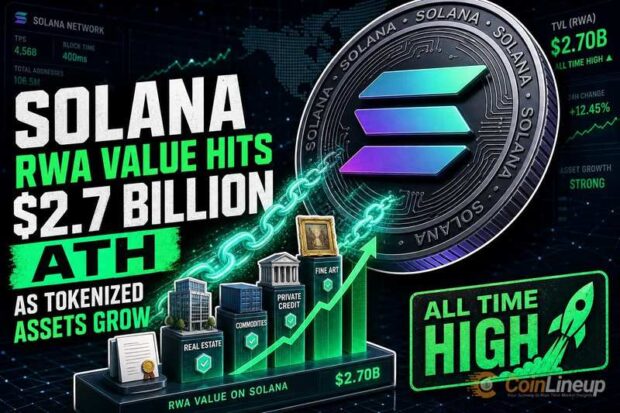
Solana RWA Value Hits $2.7 Billion ATH as Tokenized Assets Grow
Solana's real-world asset value has climbed to a record $2.7 billion. This outline covers the growth drivers, market context, and what the milestone means for Solana's RWA sector.
Token of Power exploit drains $1.58M from Balancer pool
Token of Power suffered an exploit that drained $1.58 million from a Balancer pool. This outline focuses on what happened, the immediate impact, and what comes next.

Bernstein Says Bitcoin’s Quiet Cycle May Be Healthier Than It Looks
Bernstein argues Bitcoin's subdued cycle may signal resilience, not weakness. Here's the key thesis, the pressure points, and what investors should watch.

Saif Faiq Pleads Guilty in Bitcoin Kidnapping Plot, Faces Up to 20 Years
Saif Faiq pleads guilty in a Bitcoin kidnapping plot case and could face up to 20 years in prison. Here is what the plea means and what comes next.
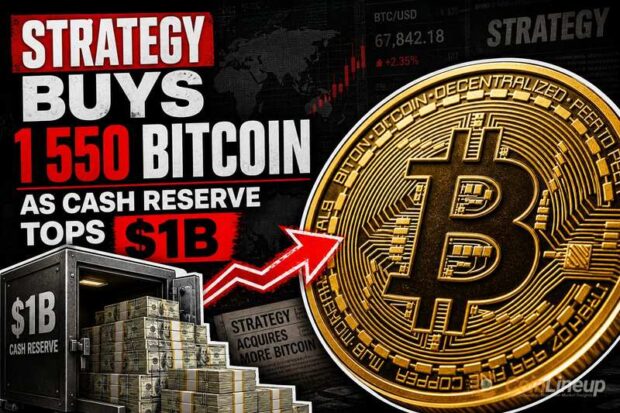
Strategy Buys 1,550 Bitcoin as Cash Reserve Tops $1B
Strategy purchased 1,550 Bitcoin for $101.3 million, marking another treasury move as its cash reserve reaches the $1 billion milestone.
Related

Nigeria Senate Advances Crypto Regulation Bill to License Exchanges
Nigeria's Senate is advancing a crypto regulation bill focused on licensing exchanges. Here is the SEO outline covering the bill, scope, and industry impact.

Kalshi Adds Solana Perpetual Futures as DOGE, SHIB Await Approval
Kalshi launches Solana perpetual futures while DOGE and SHIB contracts await approval, signaling broader interest in crypto derivatives.
Solana RWA Value Hits $2.7 Billion ATH as Tokenized Assets Grow
Solana's real-world asset value has climbed to a record $2.7 billion. This outline covers the growth drivers, market context, and what the milestone means for Solana's RWA sector.
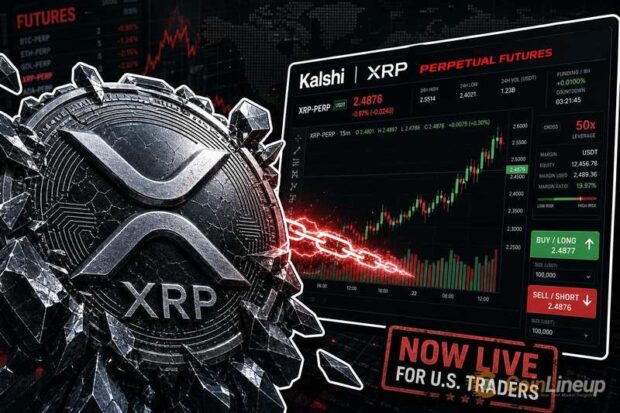
Kalshi Launches XRP Perpetual Futures for U.S. Traders
Kalshi has launched XRP perpetual futures for U.S. traders, expanding regulated crypto derivatives access and giving the market a new XRP trading venue to watch.

CME Launches Nasdaq Crypto Index Futures for BTC, ETH, XRP, SOL
CME has launched cash-settled Nasdaq crypto index futures tied to Bitcoin, Ethereum, XRP and SOL. Here’s what the new contracts cover and why the rollout matters.
Token of Power exploit drains $1.58M from Balancer pool
Token of Power suffered an exploit that drained $1.58 million from a Balancer pool. This outline focuses on what happened, the immediate impact, and what comes next.