

An attacker minted 1 billion bridged DOT tokens on Ethereum and dumped them in a single transaction, draining a thin liquidity pool for 108.2 ETH, worth roughly $237,000. The native Polkadot network appears unaffected.
What We Know About the Bridged DOT Exploit on Ethereum
On-chain analytics account Lookonchain reported on April 13, 2026 that an attacker minted 1,000,000,000 DOT on Ethereum and dumped the entire amount for 108.2 ETH, approximately $237,000 at current prices.
Bridged DOT is not the native Polkadot coin. It is an ERC-20 token representation that exists on Ethereum, created through a cross-chain bridge so that DOT can be used in Ethereum-based DeFi protocols. When a bridge is exploited, an attacker can mint tokens on the destination chain without locking real assets on the source chain.
The story remains partially verified. No official incident statement or postmortem from Polkadot, Hyperbridge, or Snowbridge has been published. The exact transaction hash behind the reported mint-and-dump has not been publicly confirmed, and the specific root cause remains unconfirmed.
According to unconfirmed reports, the exploit may have involved a Hyperbridge gateway issue that allowed the attacker to forge messages and manipulate admin rights on the Ethereum DOT token contract. This has not been verified by any official source.
Why This Hit Ethereum, Not Native Polkadot
Coinfomania reported that the incident affected an ERC-20 version of DOT on Ethereum, not the native Polkadot network. The affected token trades under the Ethereum contract address 0x196c20da81fbc324ecdf55501e95ce9f0bd84d14.
This distinction matters. Holders who keep DOT on the native Polkadot network, on centralized exchanges, or in standard wallets were not directly exposed to this exploit. The vulnerability existed in the bridge layer connecting Polkadot to Ethereum.
Hyperbridge, which Polkadot’s DAO approved as its native decentralized bridge for DOT and vDOT, allows users to bridge DOT to Ethereum, Arbitrum, Base, and BNB Chain. The bridge infrastructure is separate from Polkadot’s relay chain itself, similar to how governance disputes in wrapped token ecosystems can affect token representations without touching the underlying protocol.
For readers unfamiliar with bridges: a single cryptocurrency like DOT can exist in multiple forms across different blockchains. Native DOT lives on Polkadot. Bridged DOT is a copy that lives on Ethereum, backed by DOT locked in a bridge contract. If the bridge contract is compromised, the copies can be minted without real backing, which is what appears to have happened here.
What the Market Reaction Shows
The Ethereum-side DOT/ETH pool on Uniswap v4 fell 9.85% over 24 hours, with just $3,457 in daily volume and roughly $5,087 in total liquidity at fetch time.
That thin liquidity explains why the attacker only extracted $237,000 from 1 billion tokens. In a pool with $5,000 in liquidity, even a small sell order moves the price dramatically. One billion tokens dumped into that pool drained nearly everything available.
Native DOT traded at $1.19, down 3.39% over 24 hours, with a market cap near $2.0 billion. The broader DOT market dwarfs the affected Ethereum-side pool, suggesting the exploit’s direct financial damage was contained to a small bridged token market rather than Polkadot’s core ecosystem.
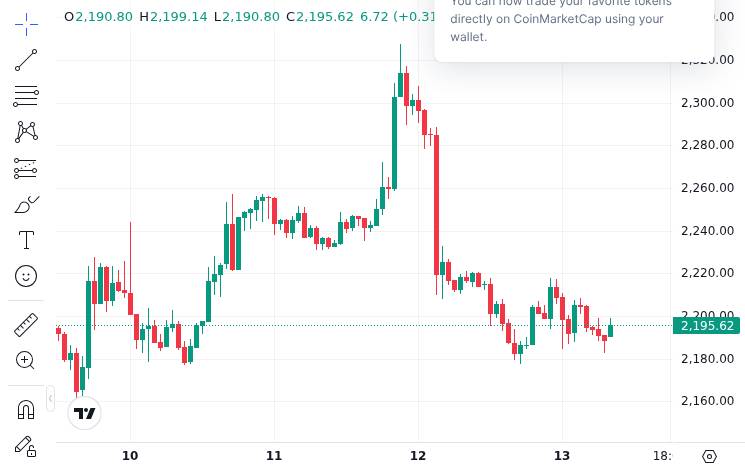
The Crypto Fear & Greed Index sat at 12, labeled Extreme Fear, reflecting a fragile market backdrop where exploit headlines can amplify selling pressure. As loss metrics across major cryptocurrencies climb, bridge security incidents add another layer of concern for holders already on edge.
What DOT Holders Should Watch Next
Three things matter from here. First, an official postmortem from the bridge operator, whether Hyperbridge or another party, explaining the root cause and whether the vulnerability has been patched.
Second, any exchange or wallet guidance on bridged DOT. Platforms that list the Ethereum-side DOT token may pause deposits or withdrawals until the situation is clarified. Holders with DOT bridged to Ethereum should monitor their bridge provider’s communications.
Third, whether this incident prompts broader scrutiny of cross-chain bridge security. Bridge exploits have historically been among the costliest attack vectors in crypto, though this particular exploit’s financial impact, at $237,000, was small relative to past incidents. The key takeaway: a thin bridged token market can break without proving the native network itself failed.
Disclaimer: This article is for informational purposes only and does not constitute financial or investment advice. Cryptocurrency and digital asset markets carry significant risk. Always do your own research before making decisions.


