


Key Takeaways:
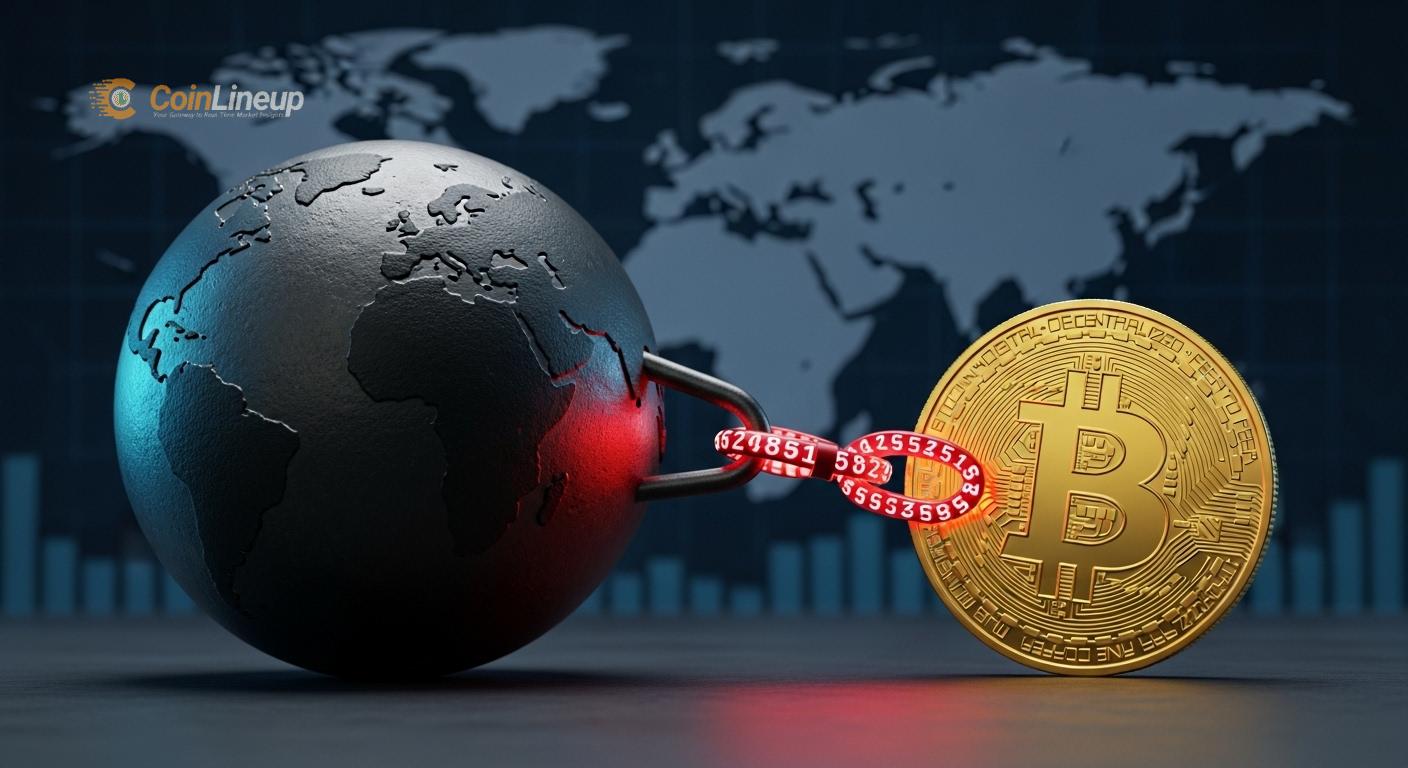
- Global debt reached $348 trillion in 2025, up $29 trillion annually.
- Sovereign leverage led gains as governments expanded deficits and refinancing-driven issuance.
- Larger debt stock became more sensitive to rate paths and rollover calendars.
Global debt reached a record $348 trillion at the end of 2025, after nearly $29 trillion was added during the year, the fastest annual increase since the pandemic, according to the Institute of International Finance. The figures point to an acceleration in borrowing just as growth cooled and funding costs stayed elevated.
Sovereign leverage was the primary driver, as governments expanded deficits and issuance to finance spending and refinance existing obligations. That shift underscores how public borrowing, not households or corporates, led the 2025 upswing.
The build-up spans both advanced and emerging economies, reflecting pandemic legacies, structural spending demands, and higher real rates. The result is a larger gross debt stock that is more sensitive to interest-rate paths and rollover calendars.
Higher debt carries immediate fiscal costs as interest expenses rise with yields. Based on data from the Organisation for Economic Co-operation and Development, servicing costs in many member countries now absorb a larger share of national income than defense spending, crowding out room for other priorities.
Debt sustainability is a function of the debt-to-GDP ratio, the interest rate–growth differential, and the primary balance. According to the International Monetary Fund, scenario analysis suggests global public debt could approach 100% of world GDP by 2029 if current patterns persist. That outlook helps explain why officials emphasize consolidation and better tax collection. “Putting our fiscal house in order,” said Vitor Gaspar, Director of Fiscal Affairs.
Trade-offs will vary. Economies with large near-term maturities, greater foreign-currency exposure, or weaker credit profiles face heightened rollover risk and sensitivity to rating actions, while stronger revenue bases can mitigate pressure.
At the time of this writing, Bitcoin is around $68,248 with 9.88% volatility and a 14‑day RSI of 42.98 (neutral). Such readings neither validate nor negate sovereign risk; they reflect shifting risk appetite alongside a larger public‑debt backdrop.
Disclaimer: CoinLineup.com provides cryptocurrency and financial market information for educational and informational purposes only. The content on this site does not constitute financial, investment, or trading advice. Cryptocurrency and stock markets involve significant risk, and past performance is not indicative of future results. Always conduct your own research and consult a qualified financial advisor before making any investment decisions.


About the author


$LIBRA Crashes 99% After Argentine Prosecutor Findings
$LIBRA token plummets 99% after Argentine prosecutors present evidence linking President Milei to the cryptocurrency scandal. TRM Labs forensic analysis cited.
$LIBRA Token Scandal Expands as Milei Probed
Argentine President Milei faces investigation over $LIBRA token scandal that caused $80-100M in investor losses. Judicial documents show $5M payment allegation.

Cornell Unveils Institutional Voice Policy Amid Academic Freedom Debate
Cornell University releases new institutional voice policy guidelines. The Presidential Task Force outlines framework for university speech on social and political issues.

Bitcoin Strategy Purchases Exceed 30,000 BTC Forecast
Strategy's Bitcoin purchases this week surpass analysts' 30,000 BTC forecast, marking a significant acceleration in the company's accumulation strategy.
Key Takeaways: What factors drive cryptocurrency market movements?How do regulatory announcements affect digital asset prices?What should investors consider before entering crypto markets?Are there risks specific to digital asset investments?How can investors stay informed about market developments? Coinlineup Editorial TeamThis article was prepared and reviewed by the Coinlineup editorial team using public market data, blockchain sources, and industry reports to ensure transparent coverage of cryptocurrency markets. Investment DisclaimerThe information on Coinlineup is provided for informational and educational purposes only and should not be considered financial or investment advice. Cryptocurrency markets are highly volatile and involve significant risk. Readers should conduct their own research (DYOR) and consult a qualified financial advisor before making investment decisions. Content Disclaimer · Terms · Privacy · Affiliate

Oil Surges as US-Iran Tensions Rise, IEA Taps Reserves
Oil prices jump as US-Iran conflict intensifies; IEA approves strategic reserve release to stabilize supply. Market impact analysis.
Related

Ledger CTO Ties $280M Drift Hack to North Korea Suspects
Ledger CTO suspects the $280 million Drift Protocol hack may be linked to North Korea threat actors. Here is what happened and what markets should watch.

Arizona Crypto Bills Clear House Rules Committee: 24-Hour Crypto News Roundup
Catch up on the last 24 hours in crypto news, led by Arizona's crypto bills clearing the House Rules Committee and what that could signal next.
SpaceX IPO Filing Report Could Value Company at $1.75T
A reported confidential SEC filing could value SpaceX at up to $1.75 trillion. Here is what the claim means, why the valuation matters, and what comes next.

EthCC 2026 Signals Ethereum’s Institutional Breakout | CoinLineup
EthCC 2026 marks a shift from Ethereum's hacker roots to institutional adoption, signaling a new phase for infrastructure, capital, and market narrative.

Reuters: UAE Crypto Firms Show Resilience in Conflict
Reuters reports that UAE crypto companies are showing resilience despite pressure from the US-Israel and Iran conflict backdrop, signaling a key regional test.

Binance HODLer Airdrop Launches Fabric Protocol (ROBO)
Binance named Fabric Protocol (ROBO) its 62nd HODLer Airdrops project, with 100 million ROBO allocated and eligible BNB holders drawn from March 4-6 snapshots.