What Are NFTs? A Complete Guide to Non-Fungible Tokens
Introducing a revolutionary concept in digital ownership - Non-Fungible Tokens (NFTs). These unique digital assets are transforming industries and empowering creators to monetize their work like never before.
Introduction
NFTs, or Non-Fungible Tokens, have been a hot topic in the digital world, especially since 2021, when they gained massive attention. But what exactly is NFT, and why are people willing to spend millions of dollars on them? In this guide, we'll break down everything you need to know about NFT—what they are, how they work, their uses, and some real-world examples.
What Are NFTs?
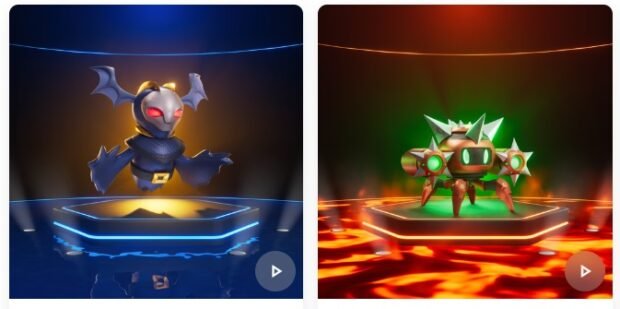
NFTs Image from OpenSea
NFTs (Non-Fungible Tokens) are unique digital assets that represent ownership or proof of authenticity of a specific item, usually in digital form. Unlike cryptocurrencies like Bitcoin or Ethereum, which are fungible (meaning each unit is the same as every other), NFTs are non-fungible. This means each NFT is distinct and cannot be replaced or exchanged one-for-one with another NFT.
In simple terms, NFTs are like certificates of ownership for digital items—whether it’s art, music, video clips, in-game items, or even virtual real estate. Once you own an NFT, you have exclusive ownership rights to that item, and it is recorded on a blockchain.
How Do NFTs Work?
Sometime back I was really wondering what are NFTs and what they are really used for. But as I began exploring about it I learn what NFTs are and how they actually work. And that's what you are about to learn here.
NFT is powered by blockchain technology, typically the Ethereum blockchain, though other blockchains like Binance Smart Chain and Flow are also used. Here the blockchain is acting as a public ledger, ensuring that the ownership and history of the NFT are transparent and immutable (which means it cannot be changed).
Here’s how the process works:
Minting: NFT file is created through a process called "minting." This is the act of converting a digital file (such as a piece of art or music) into a digital asset on the blockchain.
Unique Ownership: Even if two NFTs look similar, they will in fact be completely different, with different digital signatures.When you purchase an NFT , you are buying this rights to something, and the blockchain will record it, making it public and verifiable.
Buying & Selling: NFTs can be bought and sold on specialized marketplaces, like OpenSea, Rarible, or NBA Top Shot. The prices of an NFT vary greatly, from a couple of dollars to millions, the price is determined by the perceived value of the NFT.
What Can Be an NFT?
You can easily ‘mint’ almost anything digital into an NFT. Here are few of the most common NFT types:
Digital Art: One of the earliest and most popular use cases for NFT. With digital artists, you don’t have to rely on galleries or middleman to sell their work—you can sell directly to collectors.
Music: NFT allows musicians to release exclusive tracks or albums for fans to own versions of, that are exclusive to them.
Video Clips: Sports events’ memorable moments or viral internet videos are being sold as NFT.
In-Game Items: In online gaming, NFT can represent items like weapons, avatars, or skins that players can trade or sell.
Virtual Real Estate: In virtual worlds such as Decentraland and The Sandbox entire plots of land are sold as NFTs, which are used by users to build or rent virtual spaces.
Real-World Examples of NFTs
Beeple's "Everydays: The First 5000 Days": In 2021, Digital artist Beeple sells an NFT for $69 million at a Christie’s auction and the NFT is titled “The First 5000 Days”Beeple’s piece was a collage of 5,000 daily images he made over 13 years.
NBA Top Shot: NBA Top Shot allows fans to buy and sell officially licensed NBA video clips as NFTs. For example, a LeBron James highlight sold for over $200,000.
Jack Dorsey’s First Tweet: Jack Dorsey, Twitter’s founder, sold an NFT of his first ever tweet for $2.9 million.
Cryptopunks: These NFTs was generated 10,000 unique characters, and these are some of the earliest examples of NFTs. In 2021, CryptoPunks sold for millions of dollars.
That’s a very common yet important question people have asked. The value of NFTs comes from several factors:
Scarcity: A lot of NFTs are either one of a kind or limited numbers.The scarcity of their value is similar to a rare physical collectibles such as baseball cards or art.
Ownership: Buyers receive verifiable proof of ownership and authenticity with NFTs.On the other hand, this is especially important in the digital art, copying can always be done easily.When you own an NFT, you own the original.
Utility: Some NFTs offer more than just digital ownership; they come with real-world perks. For example, owning an NFT of a video game item can give you advantages within the game, or holding an NFT might grant you access to exclusive events or content.
Resale Value: The more people use NFT, the more valuable they can be sold on secondary markets.If the demand goes up, owners are able to sell their NFT’s and make a profit off the NFT.
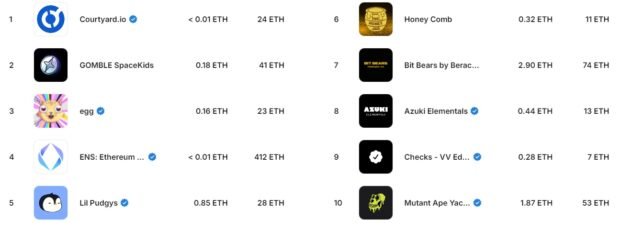
Example of NFTs Collection. Image from OpenSea
NFT Marketplaces: These are the place where you can Buy and Sell NFTs
Here are a few of the most popular NFT marketplaces where you can explore, buy, and sell NFTs:
OpenSea: Currently OpenSea is the largest and most diverse NFT marketplace.
Rarible: It's a community owned platform where creators can mint and sell their NFTs.
NBA Top Shot: It is a digital collectible platform that puts unique NBA video highlights into the hands of fans and allows them to buy, sell and trade them using blockchain technology to guarantee authenticity and scarcity.
SuperRare: This is another NFTs platform, a marketplace for high-end, single-edition digital artworks.
How to Buy an NFT?
Set Up a Digital Wallet: You will need a crypto wallet which supports NFTs but we recommend using MetaMask or Trust Wallet.
Buy Cryptocurrency: Ethereum (ETH) is most used for NFT buying.The exchanges like Coinbase or Binance allow you to purchase Ethereum.
Choose a Marketplace: Choose a platform like OpenSea or Rarible to explore available NFTs.
Make Your Purchase: When you find an NFT that you like, you will use your wallet to finish the purchase.After this, your NFT should then appear in your wallet, proof that you own it.
Challenges and Criticisms of NFTs
Despite the excitement surrounding NFTs, there are some challenges and criticisms:
Environmental Concerns: The process of minting NFT on blockchain networks consumes significant amounts of energy, raising concerns about their environmental impact.
Speculation: Many argue that the NFT market is speculative, with prices driven by hype rather than intrinsic value. This has led some to compare it to a bubble.
Copyright and Ownership Issues: Owning an NFT doesn’t always mean owning the copyright to the underlying work. Buyers need to be aware of what they are actually purchasing.
The Future of NFTs
The future of NFT looks promising, with potential applications beyond art and entertainment. NFT could revolutionize industries like real estate, where property titles could be turned into NFT for faster and more transparent ownership transfers. They might also play a role in digital identities, voting systems, and loyalty programs. As the technology matures, NFT could become a key part of our digital economy.
Conclusion
NFT’s are not just a matter of digital art and collectibles, they are much more than that, they represent a new generation of how to own, trade and interact with digital assets.Whether you are an artist, a collector or someone who wants to pursue latest tech trends, understanding NFT can be exciting and open new doors in the realm of creativity as well as investment.Although entering any new market is risky, it’s crucial to carry out extended research on NFT before entering this market and entering it with caution.
NFTs are reshaping the digital landscape, and it’s only the beginning!