


Santiment’s recent social-media trend reports have kept Bitcoin, Ethereum and Solana at the center of crypto conversation, but the popular headline lumping all five tokens into a single weekend list overstates what the data actually shows. Two separate Santiment posts, published a week apart, tracked overlapping but distinct baskets of trending coins, while Pippin’s appearance comes from a different data source entirely.
What Santiment actually verified about the crypto chatter
On March 24, 2026, Santiment published its latest social-trends update naming AGI, USDT, BTC, USDC and SOL as the top trending coins across social media. Ethereum was not in that specific basket.
A week earlier, on March 16, 2026, a separate Santiment post listed Bitcoin, Ethereum and Solana among the top trending coins. That earlier update is where Ethereum’s verified social-buzz ranking comes from.
No fetched source placed Ethereum, Bitcoin, Solana, USDC and Pippin together in one Santiment weekend list. The headline circulating on social channels appears to merge multiple updates into a cleaner but unproven single-source framing. BTC, ETH, SOL and USDC are the verified recurring attention leaders across the fetched Santiment material, but readers should understand they were tracked across different dates.
Why Bitcoin, Solana and USDC drew so much attention
Santiment tied Bitcoin’s social-media dominance to spot ETF inflows, institutional accumulation and macro developments. In plain terms, large funds continue buying Bitcoin through regulated exchange-traded products, and that steady demand keeps BTC at the top of crypto discussions. Recent data showed BTC ETFs recording $22.6 million in net weekly inflows after just four trading days, reinforcing the institutional narrative.
Spot ETF inflows matter for ordinary holders because they represent new money entering the market through traditional finance channels. When institutions accumulate, it tends to reduce the available supply on exchanges, which can support prices even during periods of broader market anxiety.
Solana’s buzz was driven by the Solana Developer Platform launch and enterprise partnerships including Mastercard and Worldpay. These partnerships signal that Solana is pushing beyond retail speculation into payment infrastructure, a shift that could reshape how investors weigh Solana’s long-term positioning against competing Layer 1 networks.
USDC chatter centered on Circle’s regulatory actions, frozen balances in 16 hot wallets tied to a civil case, and a record $32.7 billion held in the top 100 USDC wallets. For everyday crypto users, stablecoin regulation directly affects how easily they can move funds between exchanges, off-ramp to fiat, or hold value during volatile periods.
Ethereum’s verified role came from the March 16 Santiment post rather than the March 24 basket. Its persistent presence in social-trend data reflects ETH’s position as the second-largest cryptocurrency and the backbone of most DeFi activity, but the distinction matters for readers trying to understand exactly what Santiment reported and when.
The stablecoin side of this story sits partly inside an ongoing regulatory and transparency debate. Santiment’s same March 24 post noted that USDT chatter was driven by Tether engaging a Big Four accounting firm for a full reserve audit, meaning both major stablecoins faced scrutiny in the same social-trend cycle.
Where Pippin fits in and what to watch next
Pippin was not verified in the same fetched Santiment list as BTC, ETH, SOL and USDC. Its presence in the original headline appears to come from separate attention context: CoinGecko’s trending endpoint currently includes Pippin alongside Bitcoin and Solana, but that is a different data source with different methodology.
According to unconfirmed reports, Ethereum and Pippin appeared in the same Santiment weekend list as Bitcoin, Solana and USDC, but no fetched Santiment or confirmation page showed this exact combined basket. Readers should treat that claim with caution until Santiment publishes data that confirms it.
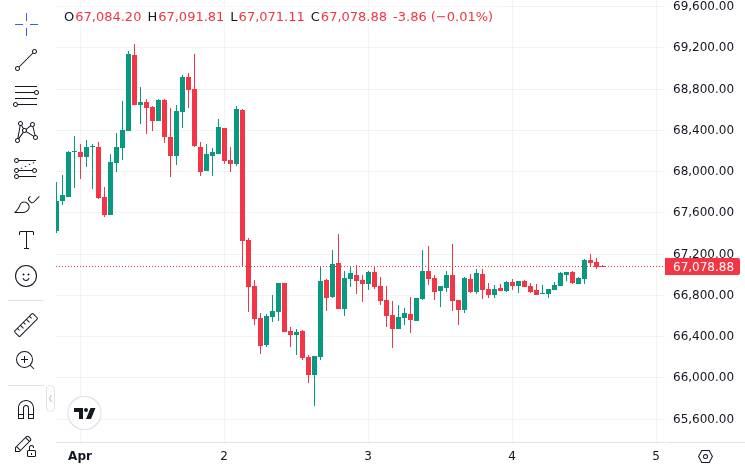
Bitcoin traded at $67,081 at press time, with Ethereum at $2,050.25 and Solana at $80.07. USDC’s market cap stood at $77.54 billion. Bitcoin’s market-cap dominance was 56.22%, reflecting its outsized share of the total crypto market.
The Fear & Greed Index sat at 11, labeled Extreme Fear, signaling that the broader market remains nervous despite sustained social interest in major tokens. That disconnect between high social chatter and extreme fear often reflects a market where participants are watching closely but hesitating to act.
The practical question for holders is whether future Santiment social-trend updates keep the same assets in focus. If BTC, ETH and SOL continue dominating social attention across multiple consecutive reports, it would confirm a sustained interest cycle rather than a one-off spike. Santiment’s next weekly update will be the first test of that pattern.
Disclaimer: This article is for informational purposes only and does not constitute financial or investment advice. Cryptocurrency and digital asset markets carry significant risk. Always do your own research before making decisions.

About the author


Santiment Trending Coins: Why BTC, ETH and SOL Led Chatter
Santiment's recent social-data posts kept Bitcoin, Ethereum, Solana and USDC in focus, while Pippin showed separate trend momentum in crypto markets this week.
Ethereum Foundation Nears 70,000 ETH Staked as Treasury Plan Advances
The Ethereum Foundation is nearing its 70,000 ETH staking target after a reported 45,034 ETH deposit. Here is what is verified, what is estimated, and why it matters.

Washington Starts Picking National Crypto Custody Firms
Washington has begun selecting which crypto firms could shape custody at a national level. This outline covers the policy shift, market impact, and what comes next.

Michael Selig Says Blockchain Can Modernize Finance
CFTC Chair Michael Selig said blockchain and DeFi can modernize U.S. markets, but the viral quote about outdated finance is not verified in CFTC texts.
Canada Stablecoin Framework Requires 1:1 Reserves
Canada's stablecoin framework will require 1:1 reserves, Bank of Canada registration, at-par redemptions, and new rules for issuers serving Canadians.

TOKEN2049 Dubai postponed: Why Paris matters next
TOKEN2049 Dubai was postponed to 2027, not cancelled. Here is what changed, why Paris Blockchain Week matters, and what ticket holders should know now.
Related

Kalshi Adds Stephanie Cutter as Lawsuits Mount and CFTC Pressure Builds
Kalshi hired former Obama aide Stephanie Cutter as a policy adviser while lawsuits stack up and CFTC scrutiny remains in focus. Here is the key context.
Ethereum Foundation Nears 70,000 ETH Staked as Treasury Plan Advances
The Ethereum Foundation is nearing its 70,000 ETH staking target after a reported 45,034 ETH deposit. Here is what is verified, what is estimated, and why it matters.

Charles Schwab Launches Schwab Crypto for Bitcoin and Ethereum Trading
Charles Schwab is launching Schwab Crypto as a gateway for users to buy and sell Bitcoin and Ethereum. Here is why the move matters.
Fed Hold Expectations Strengthen After March Jobs Report
March 2026 payrolls rose by 178,000 and unemployment held at 4.3%, reinforcing expectations that the Federal Reserve will keep rates unchanged.
Washington Starts Picking National Crypto Custody Firms
Washington has begun selecting which crypto firms could shape custody at a national level. This outline covers the policy shift, market impact, and what comes next.
Michael Selig Says Blockchain Can Modernize Finance
CFTC Chair Michael Selig said blockchain and DeFi can modernize U.S. markets, but the viral quote about outdated finance is not verified in CFTC texts.