



- The SEC says fake crypto platforms and investment clubs misled investors into sending money to fraudulent accounts.
- Regulators allege the scheme collected around $14 million without conducting real crypto trading.
- The case highlights how social media, chat groups, and AI-themed pitches are still being used to target retail users.
The U.S. Securities and Exchange Commission has accused a group of purported crypto trading platforms and investment clubs of running a $14 million fraud targeting retail investors. According to the agency, victims were drawn in through social media and private chat groups, then guided toward fake platforms that gave the impression of legitimate crypto investing.
The allegation matters because it follows a familiar scam pattern: build trust first, create the appearance of expertise, and only then direct users to deposit funds. In this case, the SEC says the trading activity itself was largely fictitious and investor money was redirected rather than invested.
For the broader crypto market, the case is less about a specific token and more about the continuing gap between public interest in digital assets and the quality of due diligence many retail users perform before transferring funds.
How the Alleged Scheme Worked
In its public complaint, the SEC said the defendants used group chats and promotional messaging to present themselves as professional advisers. Investors were allegedly told they were using licensed or high-performing platforms, when in reality the platforms were not executing legitimate crypto trades.
The complaint names three platform operators and four investment clubs. The core accusation is that victims were persuaded to wire money or transfer assets into accounts tied to the scheme, after which the promised returns never materialized.
What the SEC Is Asking For
The SEC is seeking penalties, injunctions, and other remedies designed to stop the activity and recover value where possible. The enforcement message is clear: the agency wants to show that fake crypto platforms remain a priority, especially when they target everyday investors rather than institutions.
The case also aligns with broader investor-protection warnings from Investor.gov, which has repeatedly flagged social engineering and online investment communities as common entry points for fraud.
Why This Matters for Crypto Users
This enforcement action does not appear to revolve around a legitimate token ecosystem. Instead, it shows how the language of crypto, AI, and fast returns can still be repackaged into traditional fraud. That is why the absence of a real trading backend is one of the most important parts of the SEC’s case.
For users, the practical lesson is simple: verify the platform, verify the licensing claims, and treat group-chat investment pressure as a risk signal rather than a sign of opportunity. In many scams, the social proof is part of the trap.
Related reading: For more policy and market context, read our coverage of the Supreme Court ruling on U.S. tariffs and the latest stablecoin-related geopolitical claim under review.


About the author


Spartans.com Inks Exclusive RAF Deal, While Stake Faces Legal Hurdles & Bet365 Grows in Michigan
Secure a 12-month exclusive RAF deal with Spartans.com before its August launch as Stake tackles US lawsuits & Bet365 enters Michigan as its 17th US state.

Spartans.com Inks Exclusive RAF Deal, While Stake Faces Legal Hurdles & Bet365 Grows in Michigan
Secure a 12-month exclusive RAF deal with Spartans.com before its August launch as Stake tackles US lawsuits & Bet365 enters Michigan as its 17th US state.

UK Gambling Tax Hits 40% – Paddy Power, Betfair, Sky Bet, & Ladbrokes Face the Squeeze As Spartans.com Rise
UK gambling tax hits 40%. Paddy Power slashes promos. Ladbrokes closes shops. Spartans pays 33% CashRake with zero tax baggage. The alternative is here.

UK Gambling Tax Hits 40% – Paddy Power, Betfair, Sky Bet, & Ladbrokes Face the Squeeze As Spartans.com Rise
UK gambling tax hits 40%. Paddy Power slashes promos. Ladbrokes closes shops. Spartans pays 33% CashRake with zero tax baggage. The alternative is here.
Spartans Crypto Casino Hits $1B Wagers in Beta While Ethereum & Chainlink Prepare for the Next Phase
Learn why Spartans crypto casino hit $1B in beta wagers as the Ethereum price forecast 2026 & Chainlink price trends suggest new market opportunities.
Spartans Crypto Casino Hits $1B Wagers in Beta While Ethereum & Chainlink Prepare for the Next Phase
Learn why Spartans crypto casino hit $1B in beta wagers as the Ethereum price forecast 2026 & Chainlink price trends suggest new market opportunities.
Related

US Authorities Freeze $344M in Crypto Tied to Iran
US authorities froze $344 million in crypto tied to Iran, putting sanctions enforcement, seizure mechanics, and crypto compliance in focus.
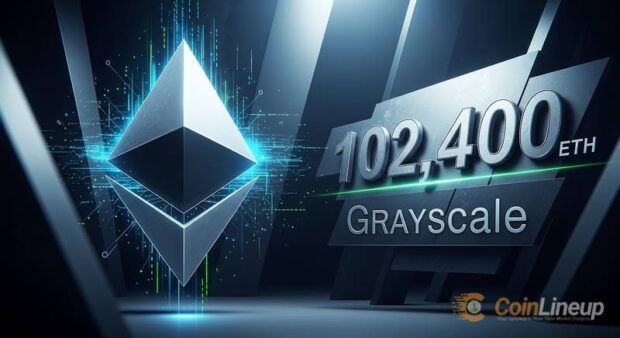
Report: Grayscale Stakes 102,400 ETH Worth About $237 Million
A report says Grayscale has staked 102,400 ETH valued at about $237 million. Here is what the figure means, why it matters, and what to watch next.

US Freezes $344M in Iran-Linked Crypto, Targets IRGC Flows
The US has frozen $344 million in crypto tied to Iran, with Treasury targeting IRGC-linked flows. Here's what happened and why it matters.

Chainlink Data Services Go Live on AWS Marketplace
Chainlink data services are now live on AWS Marketplace. This article breaks down what the launch confirms, why the listing matters, and what it could signal for blockchain infrastructure distribution.

Coinbase to List Fluent (BLEND) USD Spot Pair
Coinbase is set to list Fluent (BLEND) against USD in spot trading. Here’s what the announcement means and what traders should watch next.

Cardano Teams Seek $50M for Bitcoin DeFi, Vision 2030
Cardano teams are seeking nearly $50 million for Bitcoin DeFi projects and Vision 2030, marking a major funding request tied to the network's roadmap.