

- S&P downgrades USDT, raising transparency concerns.
- Tether challenges methodology, cites strong reserves.
- Market impact minimal, focus on stablecoin scrutiny.
S&P Global downgraded USDT’s stability to 5, citing increased Bitcoin exposure and reserve opacity. Tether refuted the downgrade, emphasizing $135 billion in U.S. Treasuries and less than 5% total reserves in Bitcoin.
S&P Global’s decision on USDT prompts scrutiny in the stablecoin and cryptocurrency sectors, emphasizing transparency and regulatory challenges.
Tether’s USDT stability rating was reduced by S&P Global amid concerns over Bitcoin exposure exceeding transparency norms. The decision was made public through an official statement, raising questions regarding short-term and long-term impacts on the sector.
“S&P’s downgrade is based on a flawed methodology that fails to account for the strength of our reserves, our profitability, and the global utility of USDT. Tether holds over $135 billion in U.S. Treasuries and generated $13 billion in profit last year. Our exposure to Bitcoin is less than 5% of total reserves and is fully disclosed.” — Paolo Ardoino, CEO, Tether, Tether Blog
The downgrade’s immediate effect was seen as limited, with USDT maintaining its dollar peg and liquidity. Exchanges like Binance expressed continued support for USDT, underscoring its essential role in trading.
Regulatory bodies, such as the U.S. SEC, emphasize the continuing need for transparency within the stablecoin industry. Community discussions focused on regulatory signaling and market adherence to transparent reserve practices, with mixed reactions visible across social platforms and forums.
Insights from historical events, such as TerraUSD’s collapse, suggest increased scrutiny could prompt more frequent attestation and disclosure demands from stablecoin issuers. Ongoing community debates are centered around potentially heightened regulatory frameworks and evolving stablecoin security measures.


About the author


AI Key to Web3 Competitiveness, Says Gate CEO
Gate.io's CEO Dr. Han states AI will drive Web3's future, enhancing usability and integration.

Binance Initiates First Alpha Box Airdrop Event
Binance launches Alpha Box airdrop, starting at 18:00 UTC, requiring 242 points minimum.

Hong Kong SFC Introduces New Virtual Asset Regulations
Hong Kong's Securities and Futures Commission, led by CEO Julia Leung Fung-yee, announced new virtual asset regulations at Consensus 2026, introducing margin financing and perpetual contracts for select investors.

European Parliament Endorses Digital Euro With Dual Functionality
Pasquale Tridico and 48 EU lawmakers led the February 10, 2026 move in the European Parliament to endorse a digital euro proposal with online and offline capabilities.

Galaxy Digital CEO Predicts Decline in Cryptocurrency Speculation
Galaxy Digital's Mike Novogratz anticipates a shift from speculative to institutional investments in cryptocurrency.

Crypto.com CEO Acquires AI.com for $70 Million in Crypto
Crypto.com CEO Kris Marszalek acquired AI.com for $70 million in cryptocurrency. Unverified claims of a subsequent $500 million offer arise.
Related

U.S. Housing Market cools as sellers outnumber buyers 44%
Redfin data shows sellers outnumber buyers by 44% as mortgage-rate sensitivity, affordability and lock-in lift inventory; NAR and SF Fed cite normalization.

U.S. Tariffs shift as Supreme Court curbs IEEPA
Learning Resources, Inc. v. Trump, IEEPA tariffs, Section 122 of the Trade Act of 1974: ruling curbs IEEPA powers; MOFCOM urges rollback; analysts flag refunds.

Switzerland-U.S. Trade Deal advances as 15% tariff outlined
Switzerland U.S. trade deal: how a Supreme Court tariff ruling affects enforceability as duties fall to 15% from 39%, impacting MEM exports and investment.

Crypto.com secures conditional OCC OK for trust bank
OCC conditional approval lets Crypto.com form Foris DAX National Trust Bank; AML/KYC, CRA and disclosure rules apply, shaping its qualified custodian role.
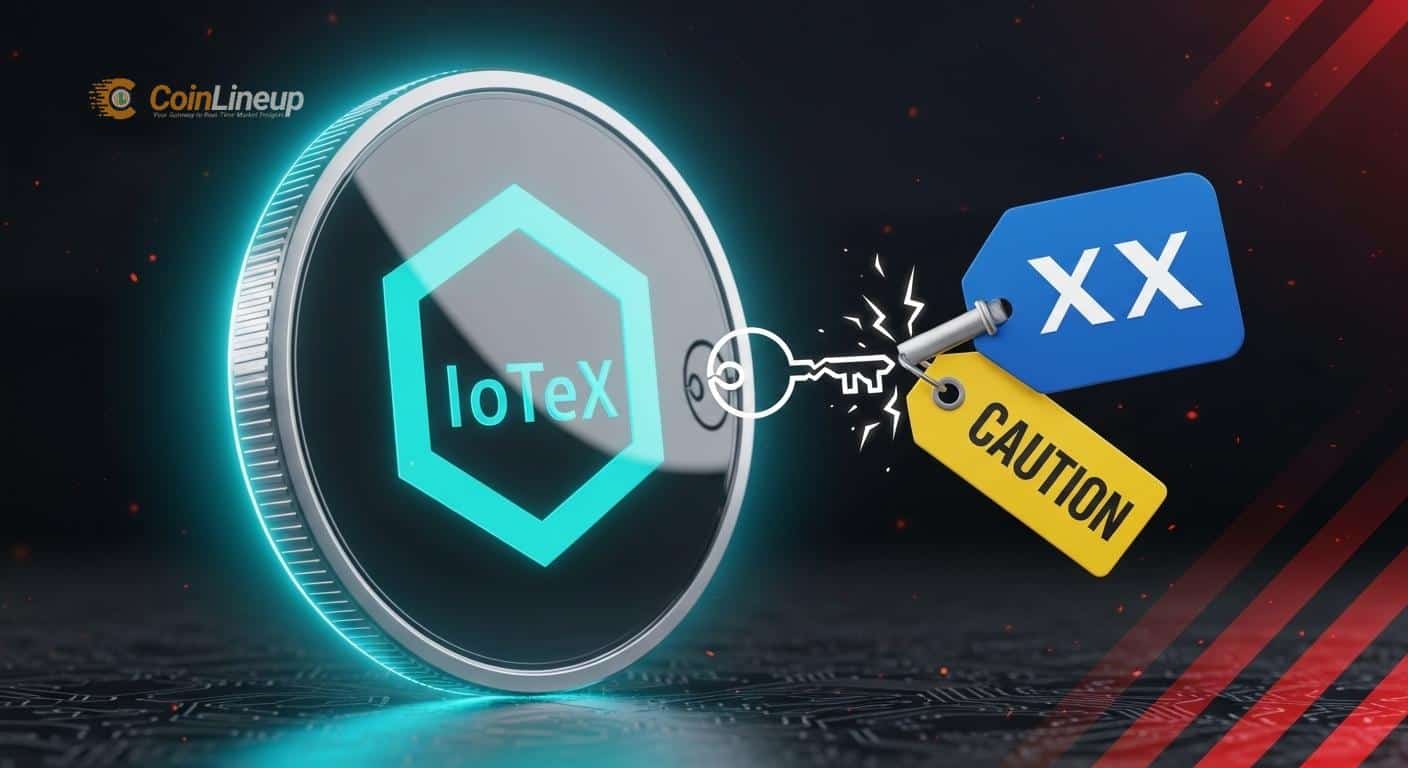
IoTeX (IOTX) faces Upbit caution tag after key exploit
Upbit flagged IoTeX after a key exploit; deposits paused pending DAXA review. Upbit caution list, IoTeX private key exploit, IOTX deposit suspension per notice.

US Dollar Index eases as tariff risks dent growth outlook
Tariff-policy uncertainty is pressuring the US Dollar Index (DXY) via growth, inflation, and risk sentiment, analysts cite, as markets weigh safe-haven flows.