


Key Takeaways:
- Switzerland and U.S. negotiating to convert a 2025 framework into binding accord.
- Federal Council approved December 2025 mandate to pursue enforceable, legally binding trade terms.
- Talks ongoing; details on tariffs, agriculture, data flows, enforcement remain unsettled.
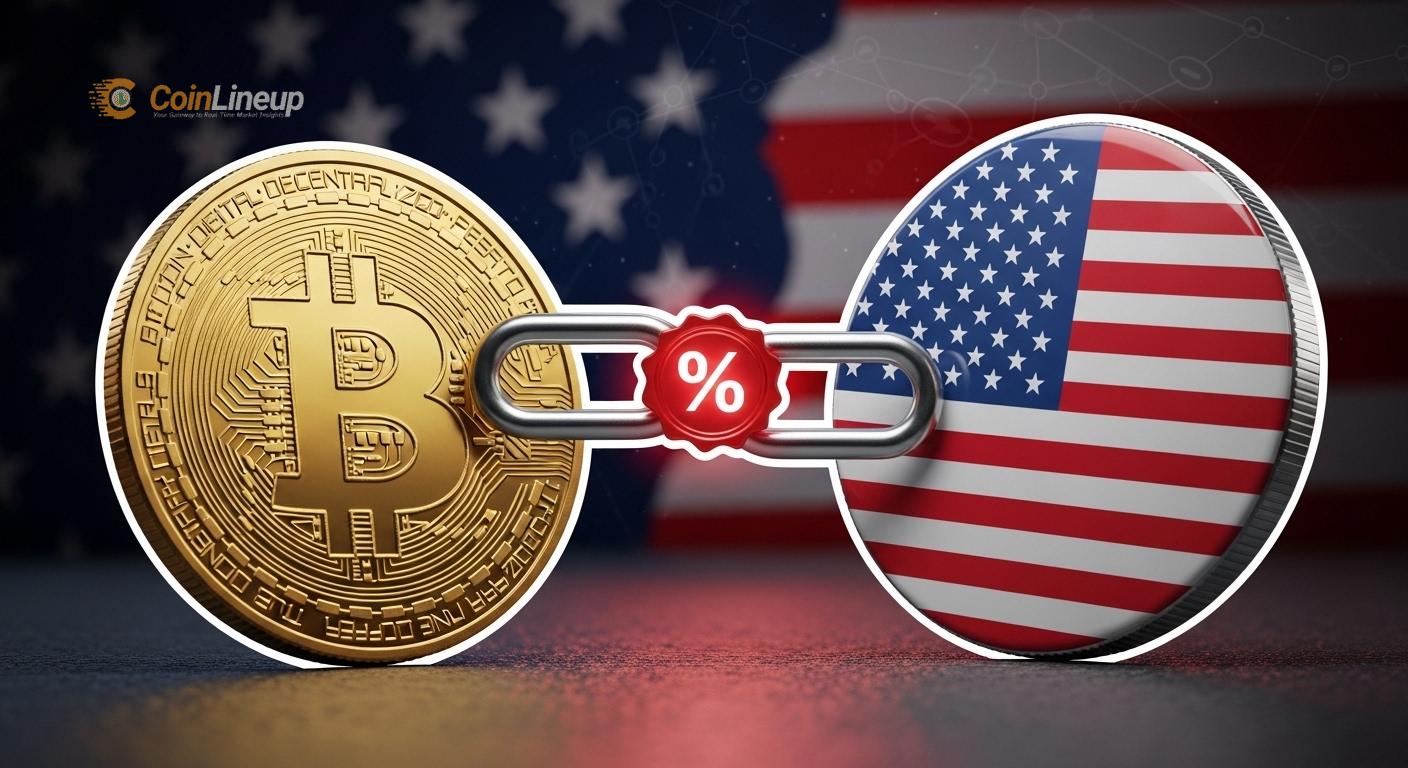
Switzerland is still aiming to lock in a legally binding trade agreement with the United States, with talks focused on translating a late‑2025 framework into a final accord, as reported by Reuters. Negotiators are working to turn intent into enforceable terms while maintaining market access and predictability.
According to an official communiqué from news.admin.ch, the 14 November 2025 framework was a non‑binding memorandum of understanding, and on 5 December 2025 the Federal Council approved a draft negotiating mandate to pursue a binding pact. That sequence clarifies scope: move from broad targets to detailed obligations subject to legal enforcement.
The binding status remains an objective, not an outcome; talks are ongoing and details on tariffs, agriculture, data flows, and enforcement are still under discussion. For businesses, the distinction matters because only a ratified accord can provide durable legal certainty across political cycles.
According to Yahoo Finance UK, Swissmem has urged conversion of the framework into a binding deal to restore legal certainty after the U.S. Supreme Court struck down portions of Trump‑era tariffs. The association also flagged an 18% drop in mechanical and electrical engineering exports to the U.S., underscoring the cost of prolonged uncertainty.
Economy Minister Guy Parmelin has defended the framework that would see U.S. tariffs reduced to 15% from 39%, arguing the balance is acceptable. “We didn’t make a deal with the devil,” said the economy minister.
A legally binding trade agreement would replace the 2025 MOU’s aspirations with enforceable commitments, clearer tariff schedules, and defined recourse if terms are breached. That shift is intended to mitigate policy reversals and sharpen predictability for cross‑border investment and supply chains.
Sector exposure will likely remain uneven. The MEM industries identified by Swissmem appear most sensitive to tariff levels, while future concessions on agriculture and data regulation are still being negotiated and could rebalance benefits and costs.
At the time of this writing, Ethereum (ETH) traded near 1,883.78, a neutral data point that reflects broader risk sentiment but does not bear directly on the Switzerland U.S. trade deal.
Disclaimer: CoinLineup.com provides cryptocurrency and financial market information for educational and informational purposes only. The content on this site does not constitute financial, investment, or trading advice. Cryptocurrency and stock markets involve significant risk, and past performance is not indicative of future results. Always conduct your own research and consult a qualified financial advisor before making any investment decisions.
About the author


$LIBRA Crashes 99% After Argentine Prosecutor Findings
$LIBRA token plummets 99% after Argentine prosecutors present evidence linking President Milei to the cryptocurrency scandal. TRM Labs forensic analysis cited.
$LIBRA Token Scandal Expands as Milei Probed
Argentine President Milei faces investigation over $LIBRA token scandal that caused $80-100M in investor losses. Judicial documents show $5M payment allegation.

Cornell Unveils Institutional Voice Policy Amid Academic Freedom Debate
Cornell University releases new institutional voice policy guidelines. The Presidential Task Force outlines framework for university speech on social and political issues.

Bitcoin Strategy Purchases Exceed 30,000 BTC Forecast
Strategy's Bitcoin purchases this week surpass analysts' 30,000 BTC forecast, marking a significant acceleration in the company's accumulation strategy.
Key Takeaways: What factors drive cryptocurrency market movements?How do regulatory announcements affect digital asset prices?What should investors consider before entering crypto markets?Are there risks specific to digital asset investments?How can investors stay informed about market developments? Coinlineup Editorial TeamThis article was prepared and reviewed by the Coinlineup editorial team using public market data, blockchain sources, and industry reports to ensure transparent coverage of cryptocurrency markets. Investment DisclaimerThe information on Coinlineup is provided for informational and educational purposes only and should not be considered financial or investment advice. Cryptocurrency markets are highly volatile and involve significant risk. Readers should conduct their own research (DYOR) and consult a qualified financial advisor before making investment decisions. Content Disclaimer · Terms · Privacy · Affiliate

Oil Surges as US-Iran Tensions Rise, IEA Taps Reserves
Oil prices jump as US-Iran conflict intensifies; IEA approves strategic reserve release to stabilize supply. Market impact analysis.
Related

Washington Starts Picking National Crypto Custody Firms
Washington has begun selecting which crypto firms could shape custody at a national level. This outline covers the policy shift, market impact, and what comes next.

Michael Selig Says Blockchain Can Modernize Finance
CFTC Chair Michael Selig said blockchain and DeFi can modernize U.S. markets, but the viral quote about outdated finance is not verified in CFTC texts.
Canada Stablecoin Framework Requires 1:1 Reserves
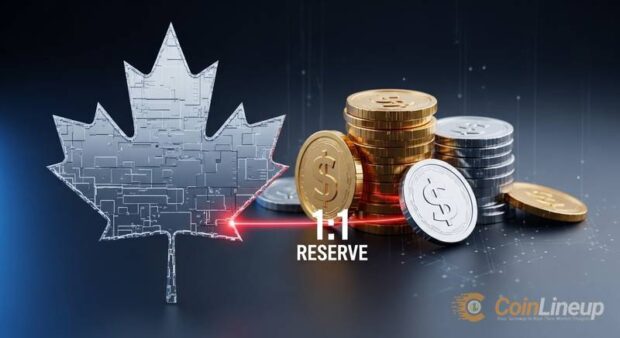
Canada's stablecoin framework will require 1:1 reserves, Bank of Canada registration, at-par redemptions, and new rules for issuers serving Canadians.

TOKEN2049 Dubai postponed: Why Paris matters next
TOKEN2049 Dubai was postponed to 2027, not cancelled. Here is what changed, why Paris Blockchain Week matters, and what ticket holders should know now.

UPDATE: Arthur Hayes Questions Whether Solana Native Multisig Could Have Prevented the Drift Hack
Arthur Hayes has raised a fresh question after the Drift hack: could native multisig on Solana have reduced the risk? Here is the news angle and why it matters.

Ledger CTO Ties $280M Drift Hack to North Korea Suspects
Ledger CTO suspects the $280 million Drift Protocol hack may be linked to North Korea threat actors. Here is what happened and what markets should watch.