The US government transferred 2.438 BTC linked to a steroid-distribution probe to a Coinbase Prime deposit address on April 10, 2026, in two separate on-chain transactions confirmed in the same Bitcoin block.
What the on-chain data confirms
Two transactions landed in block 944483 at 15:40 UTC on April 10. The first sent 45,963,084 sats (0.459 BTC) to destination address 3EMquN5xX26oqjrASged21mxXdidNk1Sbn, paying a 570-sat miner fee.
The second transaction sent 197,853,568 sats (1.978 BTC) to the same address with a 402-sat fee. Combined, the destination received a net 243,816,652 sats, or 2.43816652 BTC.
ON-CHAIN DATA
- Transaction 1: 2fc182…f68d7 — 0.45963084 BTC, 570-sat fee
- Transaction 2: 9d8a3f…fe103 — 1.97853568 BTC, 402-sat fee
- Total received: 2.43816652 BTC (~$177,500 at $72,792 BTC)
- Block: 944483 (April 10, 2026, 15:40 UTC)
- Destination: 3EMquN5xX26oqjrASged21mxXdidNk1Sbn
At Bitcoin’s spot price of $72,792 at the time, the transfer was worth roughly $177,500. The combined miner fees totaled just 972 sats, less than a cent.
The steroid probe connection
According to Coin Edition reporting, blockchain analytics firm Arkham Intelligence labeled the source wallets as “US Government: Glenn Olivio Seized Funds.” The funds are reportedly tied to a steroid-distribution case involving Glenn Bradford Olivio and Dana Rene Light, though no court filing directly linking the input addresses to that case was independently verified.
The attribution of the destination address to Coinbase Prime also relies on third-party wallet labeling from Arkham and on-chain watchers such as Lookonchain, not a direct Coinbase statement. No US agency has publicly confirmed the purpose of the transfer.
Government-seized Bitcoin movements have drawn increased scrutiny since the March 2025 executive order establishing the Strategic Bitcoin Reserve. That order states finally forfeited Treasury-held BTC placed into the reserve “shall not be sold,” though it preserves exceptions for court-ordered releases, victim restitution, and other lawful dispositions. Whether this particular transfer falls under a reserve exception or represents routine custody management remains unclear.
Why traders watch government wallet movements
Bitcoin was trading at $72,792 with the Fear and Greed Index sitting at 15, deep in “Extreme Fear” territory. In that environment, even small government-linked transfers to exchange-affiliated addresses tend to amplify bearish sentiment on social media.
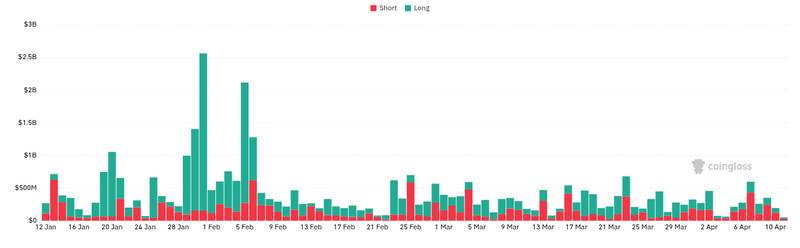
The 2.438 BTC involved here is a negligible amount relative to daily Bitcoin trading volume of $25.8 billion or the government’s broader seized holdings. For context, recent spot ETF inflows have moved far larger sums into the market without causing major disruption.
The significance lies not in the dollar amount but in what the destination signals. Transfers to exchange custody services like Coinbase Prime can indicate sale preparation, but they can also reflect internal accounting, wallet consolidation, or custodial migration. Without an official statement, institutional watchers tracking government crypto flows cannot distinguish between these scenarios from on-chain data alone.
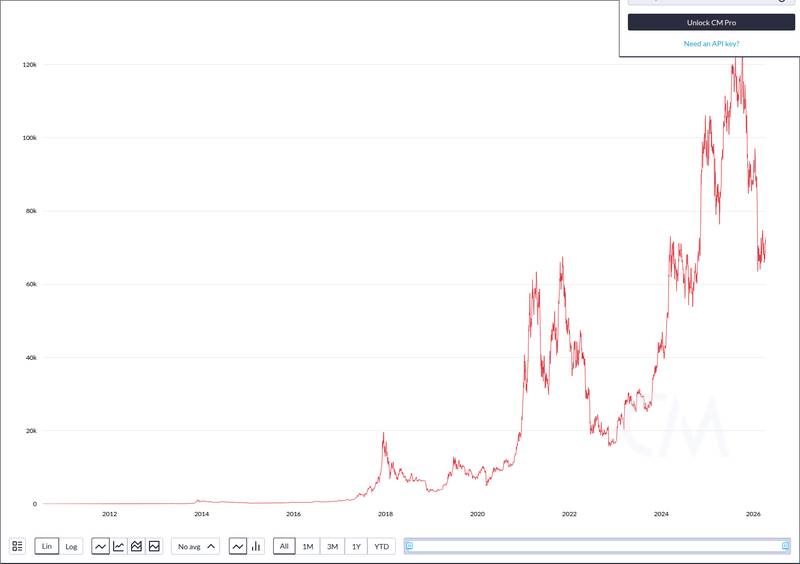
The transfer joins a pattern of periodic government wallet activity that blockchain security and analytics firms have tracked with increasing granularity. Each movement reignites debate over whether Washington intends to hold or liquidate its Bitcoin reserves, a question the executive order answered in principle but that individual transfers continue to test in practice.
Disclaimer: This article is for informational purposes only and does not constitute financial or investment advice. Cryptocurrency and digital asset markets carry significant risk. Always do your own research before making decisions.


