


Key Takeaways:
- Iran escalation sparked oil surge; Asia equities plunged amid energy risk repricing.
- Fear premium, not supply shock, drove rally; explains swift, narrow market drawdown.
- Import-dependent Asia vulnerable; freight, insurance, shipping delays risk inflation and tighter policy.
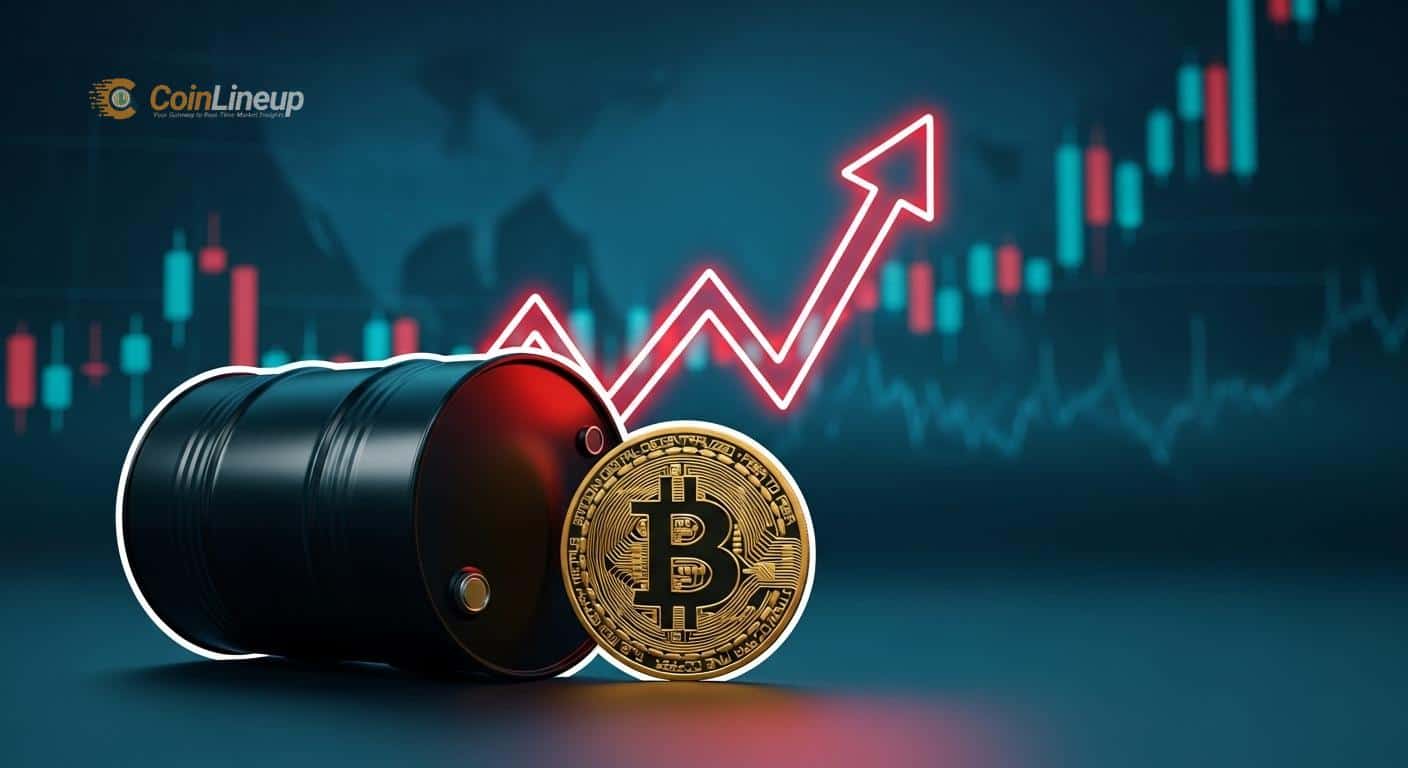
An escalation involving Iran triggered an oil price surge, and equity markets registered a Black Monday in Asia. The selloff reflected a rapid repricing of energy risk across import‑dependent economies. Investors rotated away from fuel‑sensitive sectors as uncertainty rose.
Officials and analysts distinguish a fear premium from a true supply shock. According to U.S. Energy Secretary Chris Wright, the rally largely reflects fear of disruption while global oil supply remains adequate. That framing helps explain the speed, not breadth, of the drawdown.
Exposure is concentrated in economies reliant on Gulf crude and gas. Sung Jinseok at the National University of Singapore’s Energy Studies Institute noted Japan, South Korea, India, and China are vulnerable because of Middle East dependence. That dependence heightens sensitivity to freight, insurance, and shipping delays.
Macquarie Group analysts warned of an inflationary shock as hoarding, higher vessel insurance, and weakened supply confidence lift delivered energy costs. In that scenario, headline inflation could stay firmer, keeping policy stances tighter for longer than previously expected. Rate paths would still hinge on the duration and magnitude of the spike.
The Strait of Hormuz is the chokepoint linking Persian Gulf supply to global buyers, and current pricing focuses on passage risk rather than wells. Shipping premiums, war‑risk coverage, and rerouting times are central to cost. For Asia, any congestion can magnify refinery and utility input volatility.
Central banks are monitoring the transmission channel from energy to inflation and growth. Neel Kashkari, president of the Federal Reserve Bank of Minneapolis, said it is “too early to assess how the escalation will flow through to U.S. inflation,” underscoring policy caution while risks around Hormuz persist.
Market pricing also captures constraints on shipping security and vessel availability rather than immediate upstream output losses, according to GlobalData’s Jaison Davis. That distinction places insurance costs and freight rates at the heart of the shock. It also means spot tightness can ease quickly if transit risk abates.
LNG adds another layer of uncertainty for Asian utilities during any Hormuz disruption window. Chong Zhixin, director of Asia Gas Research at S&P Global, said “near‑term volatility in LNG prices is expected because of uncertainties about Middle East supply.” Gas markets may see sharper day‑to‑day swings than oil.
Disclaimer: CoinLineup.com provides cryptocurrency and financial market information for educational and informational purposes only. The content on this site does not constitute financial, investment, or trading advice. Cryptocurrency and stock markets involve significant risk, and past performance is not indicative of future results. Always conduct your own research and consult a qualified financial advisor before making any investment decisions.


About the author


$LIBRA Crashes 99% After Argentine Prosecutor Findings
$LIBRA token plummets 99% after Argentine prosecutors present evidence linking President Milei to the cryptocurrency scandal. TRM Labs forensic analysis cited.
$LIBRA Token Scandal Expands as Milei Probed
Argentine President Milei faces investigation over $LIBRA token scandal that caused $80-100M in investor losses. Judicial documents show $5M payment allegation.

Cornell Unveils Institutional Voice Policy Amid Academic Freedom Debate
Cornell University releases new institutional voice policy guidelines. The Presidential Task Force outlines framework for university speech on social and political issues.

Bitcoin Strategy Purchases Exceed 30,000 BTC Forecast
Strategy's Bitcoin purchases this week surpass analysts' 30,000 BTC forecast, marking a significant acceleration in the company's accumulation strategy.

Key Takeaways: What factors drive cryptocurrency market movements?How do regulatory announcements affect digital asset prices?What should investors consider before entering crypto markets?Are there risks specific to digital asset investments?How can investors stay informed about market developments? Coinlineup Editorial TeamThis article was prepared and reviewed by the Coinlineup editorial team using public market data, blockchain sources, and industry reports to ensure transparent coverage of cryptocurrency markets. Investment DisclaimerThe information on Coinlineup is provided for informational and educational purposes only and should not be considered financial or investment advice. Cryptocurrency markets are highly volatile and involve significant risk. Readers should conduct their own research (DYOR) and consult a qualified financial advisor before making investment decisions. Content Disclaimer · Terms · Privacy · Affiliate

Oil Surges as US-Iran Tensions Rise, IEA Taps Reserves
Oil prices jump as US-Iran conflict intensifies; IEA approves strategic reserve release to stabilize supply. Market impact analysis.
Related
Citigroup to Offer Tokenized Private Shares to Wealthy Clients: WSJ
Citigroup is reportedly preparing tokenized private share offerings for wealthy clients, signaling deeper Wall Street interest in blockchain-based private markets.
Binance’s Philippines Return Faces BSP License Gap Warning
Binance's reported Philippines return faces scrutiny over a BSP license gap, with the core issue centered on regulatory compliance, market access, and local risk warnings.
BitMine Nears 5% ETH Target as Tom Lee Signals Slower Buying Pace
BitMine is approaching its 5% ETH accumulation target while Tom Lee signals a slower buying pace. Here is what the shift could mean for Ethereum and market watchers.
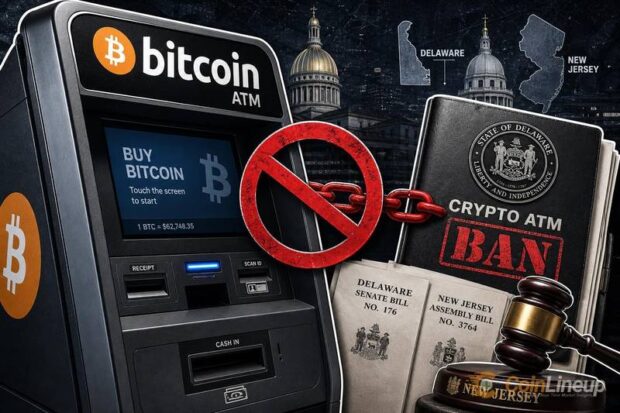
Delaware and New Jersey Advance Crypto ATM Ban Bills
Delaware and New Jersey are moving forward with crypto ATM ban bills, signaling tougher state scrutiny of kiosk operators, fraud risks, and compliance standards.
OpenAI Token Price Cuts Could Intensify Its Battle With Anthropic
OpenAI is reportedly weighing major token price cuts to win back users from Anthropic. Here is the SEO outline focused on pricing pressure, market impact, and what users should watch next.
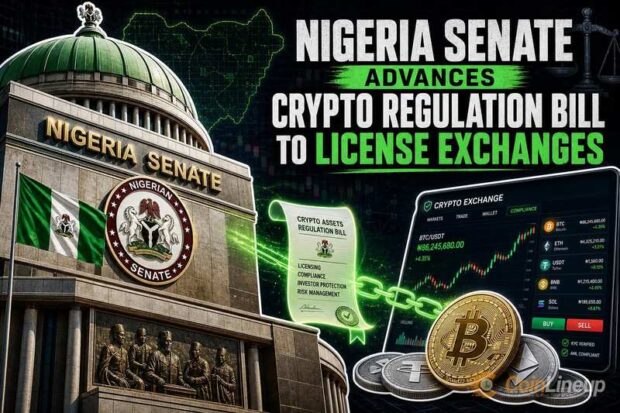
Nigeria Senate Advances Crypto Regulation Bill to License Exchanges
Nigeria's Senate is advancing a crypto regulation bill focused on licensing exchanges. Here is the SEO outline covering the bill, scope, and industry impact.