


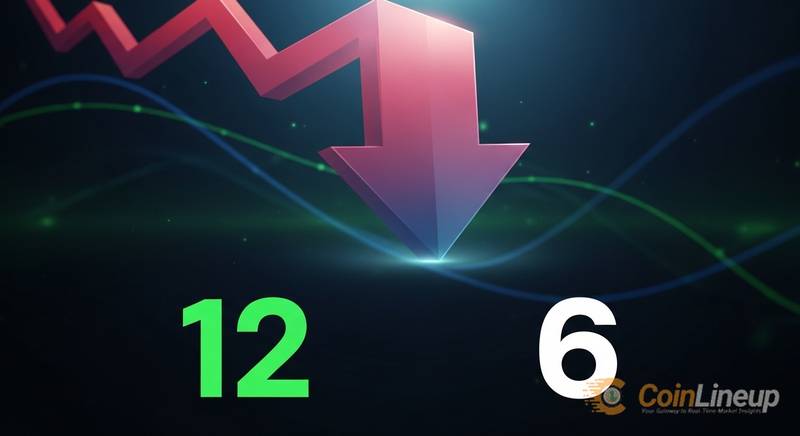
The Fed rate cut outlook is split right now. Markets currently price December as the most likely single window for a Federal Reserve cut, while Morgan Stanley still expects two earlier moves, in June and September. For crypto holders, that gap matters because lower rates often make riskier assets like Bitcoin look more attractive.
The starting point is still the same. The Federal Reserve said on January 28, 2026 that it would keep the federal funds target range at 3.5% to 3.75%, effective January 29. That means any discussion about cuts is about future expectations, not a new Fed signal.
Why markets and Morgan Stanley see different timelines
A Barron’s summary published March 13, 2026 said CME FedWatch showed a 40.8% probability of a quarter-point Fed cut by December. The same snapshot showed a 34.4% chance that rates would stay unchanged through the end of the year.
That does not mean the whole market agrees on December, and it does not mean the Fed has promised a cut. It means December was the top single outcome in that specific futures-based snapshot, which can change quickly when new inflation or jobs data arrives.
Morgan Stanley is earlier. A February 12, 2026 brokerage factbox, published via Reuters syndication on Investing.com, said the bank expected two 2026 cuts, in June and September, bringing the fed funds range down to 3.00% to 3.25%.
In plain English, traders are leaning toward a later move, while one major Wall Street bank still thinks the easing cycle starts in early summer. That is the real split behind this story.
What an earlier or later cut could mean for Bitcoin and crypto
Lower interest rates usually make borrowing cheaper and can loosen overall financial conditions. That can help risk assets, including crypto, because investors often become more willing to move money out of cash and into assets with higher upside.
If Morgan Stanley’s June call is right, crypto could get a friendlier macro backdrop sooner. Earlier cuts would suggest the Fed sees enough progress on inflation, or enough softening in growth, to start easing before the second half is over.
If the first cut does not come until December, tighter conditions could stay in place for most of 2026. For someone who simply holds Bitcoin or a few large cryptocurrencies, that would mean waiting longer for the kind of liquidity boost that often supports risk appetite.
That does not make Fed policy the only driver. Crypto prices also move on regulation, product launches, and sector-specific events, including stories like changes in SEC market structure rules, staking infrastructure updates, and even political betting-market debates such as the recent Polymarket crackdown push.
What could change the Fed rate cut outlook next
The Fed keeps saying policy is data-dependent. In simple terms, that means officials are not following a fixed calendar. They are reacting to fresh economic numbers as they come in.
Inflation data is the first thing to watch. If price pressures cool faster than expected, markets could move closer to Morgan Stanley’s June view. If inflation stays sticky, traders may push cut odds further out.
Jobs data is just as important. A weaker labor market could make earlier cuts easier to justify, while steady hiring and low unemployment would give the Fed more reason to wait.
Fed messaging can also move expectations fast. Speeches, meeting minutes, and post-meeting statements often reshape how traders read the path ahead, even when the policy rate itself stays unchanged.
The practical takeaway for crypto readers is simple: the current debate is about timing, not direction. Rates are still at 3.5% to 3.75%, December is only the most likely single market-implied outcome for now, and that outlook can change quickly with each new round of inflation data, jobs numbers, and Fed comments.
Disclaimer: This article is for informational purposes only and does not constitute investment advice.
Disclaimer: This article is for informational purposes only and does not constitute financial or investment advice. Cryptocurrency and digital asset markets carry significant risk. Always do your own research before making decisions.


About the author

US Bankers Association Seeks 60-Day Delay for Stablecoin Rules
The US Bankers Association is urging a 60-day delay before stablecoin rules take effect. This outline focuses on the pause request, regulatory timing, and market implications.

Polymarket Paris Weather Glitch Sparks $37K Scrutiny
Polymarket faces scrutiny after traders reportedly made $37K from a Paris weather market glitch, raising fresh questions about trust and market rules.

PUSD Launches on ADI Chain in Middle East Expansion
PUSD launches on ADI Chain as part of a broader Middle East stablecoin expansion. This outline focuses on the launch, its regional context, and what readers should watch next.
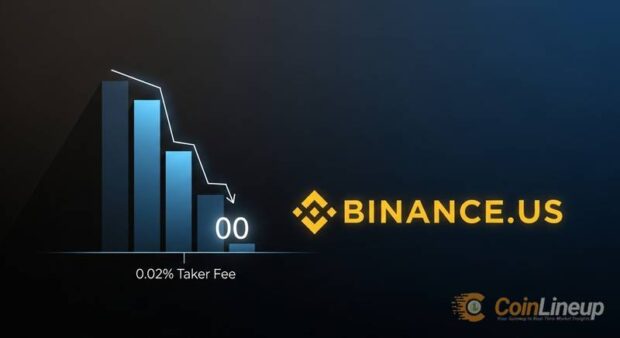
Binance.US Spot Trading Fees Fall to 0% for Makers, 0.02% for Takers
Binance.US has cut spot trading fees to 0% for makers and 0.02% for takers. Here’s what changed, who benefits, and why the move matters.

UK watchdog raids eight London sites over illegal P2P crypto trading
UK authorities raided eight London locations in a suspected illegal P2P crypto trading probe. Here is what happened and why it matters for compliance.

New York AG Sues Coinbase, Gemini Over Prediction Markets
New York Attorney General is suing Coinbase and Gemini over prediction markets. Here is what the complaint alleges and what users should watch.
Related

Cardano Teams Seek $50M for Bitcoin DeFi, Vision 2030
Cardano teams are seeking nearly $50 million for Bitcoin DeFi projects and Vision 2030, marking a major funding request tied to the network's roadmap.
US Bankers Association Seeks 60-Day Delay for Stablecoin Rules
The US Bankers Association is urging a 60-day delay before stablecoin rules take effect. This outline focuses on the pause request, regulatory timing, and market implications.

Lido Says 9% of EarnETH Hit by Kelp Hack, Staking Safe
Lido says the Kelp hack affected 9% of EarnETH exposure, while core Ethereum staking operations remain safe and stable. Here's what that means.
Polymarket Paris Weather Glitch Sparks $37K Scrutiny
Polymarket faces scrutiny after traders reportedly made $37K from a Paris weather market glitch, raising fresh questions about trust and market rules.
PUSD Launches on ADI Chain in Middle East Expansion
PUSD launches on ADI Chain as part of a broader Middle East stablecoin expansion. This outline focuses on the launch, its regional context, and what readers should watch next.
Binance.US Spot Trading Fees Fall to 0% for Makers, 0.02% for Takers
Binance.US has cut spot trading fees to 0% for makers and 0.02% for takers. Here’s what changed, who benefits, and why the move matters.