


PUSD has launched on ADI Chain, marking a new step in the stablecoin project’s push into the Middle East market. The launch positions PUSD as a regional stablecoin option tied to infrastructure built for that geography.
KEY TAKEAWAYS
- PUSD is now live on ADI Chain, expanding its blockchain footprint.
- The project is explicitly targeting the Middle East stablecoin market.
- PUSD is already listed for trading in a PUSD/USDT pair on Biconomy.
What the PUSD Launch on ADI Chain Means
PUSD is a stablecoin project developed by Palm USD, with infrastructure tied to the broader Palm ecosystem. The ADI Chain deployment gives PUSD a dedicated chain presence rather than relying solely on existing Layer 1 or Layer 2 networks.
The project maintains an active social presence through its official X account and a Telegram community. Trading is available through at least one exchange, with Biconomy offering a PUSD/USDT trading pair.
Details on the technical architecture of ADI Chain, the stablecoin’s collateral structure, and regulatory approvals remain limited based on currently available public information. Readers should treat claims about PUSD’s backing and compliance status with caution until official documentation provides further clarity.
Why the Middle East Expansion Angle Matters
The Middle East has become an increasingly active region for digital asset infrastructure. Countries including the UAE, Saudi Arabia, and Bahrain have moved to establish regulatory frameworks for crypto assets over the past two years, creating space for projects like PUSD to position themselves regionally.
PUSD’s parent entity, Palm, operates with a .sa domain, indicating a Saudi Arabia connection. This regional anchoring distinguishes PUSD from dollar-pegged stablecoins that lack a specific geographic strategy. As stablecoin competition intensifies globally, with new crypto financial products launching on traditional exchanges, regional specialization could offer a differentiation path.
The broader stablecoin market continues to evolve alongside tightening regulatory scrutiny in jurisdictions like New York. Middle East-focused projects may benefit from regulatory environments that have been more proactive in creating clear licensing pathways for digital asset issuers.
What to Watch After the PUSD Rollout
The ADI Chain launch raises several questions that will determine whether PUSD gains meaningful traction. Ecosystem adoption, including DeFi integrations and merchant acceptance, will be a key indicator of whether the chain deployment translates into real usage.
Additional exchange listings beyond the current Biconomy pairing would signal growing market interest. As major exchanges continue adjusting fee structures to attract volume, newer stablecoins face high barriers to liquidity.
Transparency around reserves and regulatory status will also matter. The stablecoin sector has faced increased demands for proof-of-reserves and compliance documentation following industry-wide trust concerns. Whether PUSD publishes attestation reports or secures formal regulatory approval in its target markets will be worth monitoring.
Disclaimer: This article is for informational purposes only and does not constitute financial or investment advice. Cryptocurrency and digital asset markets carry significant risk. Always do your own research before making decisions.

About the author


PUSD Launches on ADI Chain in Middle East Expansion
PUSD launches on ADI Chain as part of a broader Middle East stablecoin expansion. This outline focuses on the launch, its regional context, and what readers should watch next.
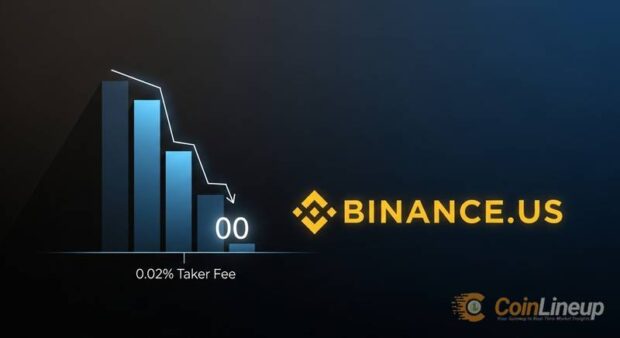
Binance.US Spot Trading Fees Fall to 0% for Makers, 0.02% for Takers
Binance.US has cut spot trading fees to 0% for makers and 0.02% for takers. Here’s what changed, who benefits, and why the move matters.

UK watchdog raids eight London sites over illegal P2P crypto trading
UK authorities raided eight London locations in a suspected illegal P2P crypto trading probe. Here is what happened and why it matters for compliance.

New York AG Sues Coinbase, Gemini Over Prediction Markets
New York Attorney General is suing Coinbase and Gemini over prediction markets. Here is what the complaint alleges and what users should watch.

Kalshi Reportedly Explores Launch of Crypto Perpetual Futures
Kalshi reportedly explores launching crypto perpetual futures, a move that could expand its digital asset footprint and draw attention across the crypto market.
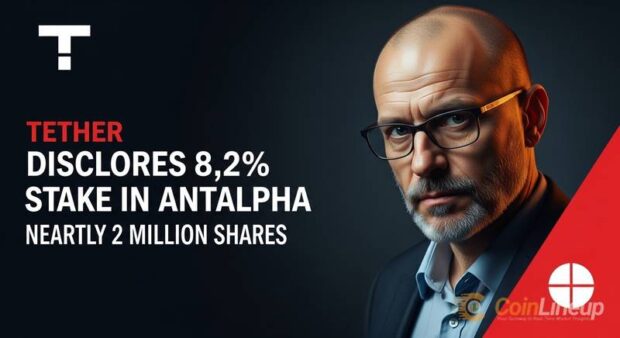
Tether Discloses 8.2% Stake in Antalpha, Nearly 2 Million Shares
Tether disclosed an 8.2% stake in Antalpha, equal to nearly 2 million shares. This article breaks down the disclosure, the scale, and why it matters.
Related
Binance.US Spot Trading Fees Fall to 0% for Makers, 0.02% for Takers
Binance.US has cut spot trading fees to 0% for makers and 0.02% for takers. Here’s what changed, who benefits, and why the move matters.

New York Seeks $3.4B in Crypto Fines Over Prediction Apps
New York is seeking $3.4 billion in crypto fines tied to prediction apps. This outline tracks the claims, the products involved, and the broader fallout.
GSR Debuts Active Multi-Asset Crypto Staking ETF on Nasdaq
GSR has debuted an active multi-asset crypto staking ETF on Nasdaq. Here is what the launch means, how the fund is positioned, and what investors should watch next.

Top Crypto News for Apr 22: 24H Roundup and CLARITY Act Fight
Read the top crypto news for Wed, Apr 22, with a 24-hour roundup focused on reported bank lobbying against the CLARITY Act and what to watch next.
UK watchdog raids eight London sites over illegal P2P crypto trading
UK authorities raided eight London locations in a suspected illegal P2P crypto trading probe. Here is what happened and why it matters for compliance.

Umbra Front End Offline After Hackers Move Stolen Funds
Umbra took its front end offline after hackers moved stolen funds through the protocol. Here's what happened, why it acted, and what users should watch.