



Dozens of crypto apps have shut down in 2026 as billions in capital rotate toward Bitcoin ETFs and stablecoins, signaling a market that increasingly favors regulated, large-scale financial products over standalone platforms.
RootData’s 2026 Crypto Dead Projects List, which tracks blockchain and crypto projects that announced cessation of operations, bankruptcy, or long-term website unavailability, now includes names like Angle Protocol, Step Finance, Nifty Gateway, Parsec, ZeroLend, MilkyWay, and Tally. The closures span DeFi protocols, NFT marketplaces, governance tools, and infrastructure providers.
Technext reported on March 31 that over 20 crypto projects had already announced shutdowns, phased wind-downs, or bankruptcy in Q1 2026 alone, tying the wave to a post-2025 liquidity hangover and capital rotation toward safer crypto exposures.
Why Crypto Apps Are Shutting Down Now
The projects going dark are not fringe experiments. They include DeFi lending platforms, portfolio trackers, and NFT infrastructure that once attracted venture funding and active users. Their closures reflect a market where investor attention and liquidity have consolidated around fewer, larger vehicles.
Key Takeaways
- Dozens of crypto apps ceased operations in early 2026, spanning DeFi, NFTs, governance, and mining.
- Bitcoin ETF AUM reached $87.3 billion while stablecoin supply grew by nearly $4 billion in a single month.
- Capital is concentrating in regulated, passive vehicles rather than smaller standalone crypto platforms.
The pattern is clear in the data. Bitcoin ETF assets under management stood at $87.333 billion as of April 6, with $471.4 million in net inflows on that single day. Meanwhile, total stablecoin market capitalization reached $315.781 billion, up roughly $3.96 billion from a month earlier.
For smaller apps competing for the same pool of crypto-native capital, that level of absorption into ETFs and stablecoins leaves less liquidity, fewer active users, and shrinking revenue to sustain operations.
How Bitcoin ETFs and Stablecoins Are Pulling Capital Away
The shift is structural, not cyclical. Bitcoin ETFs offer institutional and retail investors regulated exposure without requiring wallets, seed phrases, or interaction with standalone apps. When a single ETF product can absorb hundreds of millions in a day, the user base that once supported dozens of niche platforms thins out.
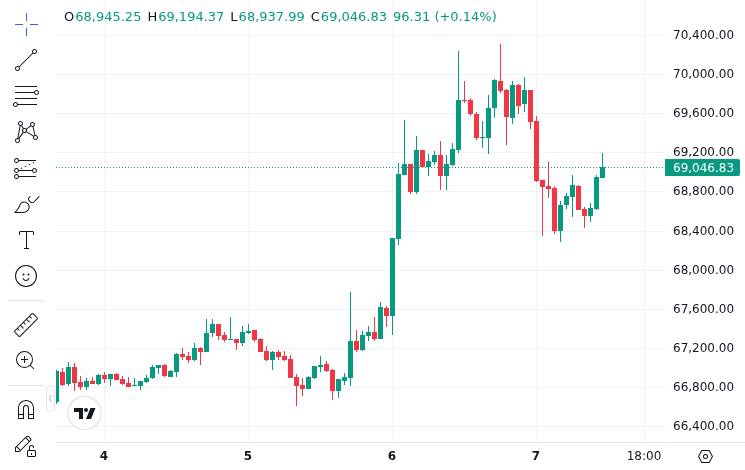
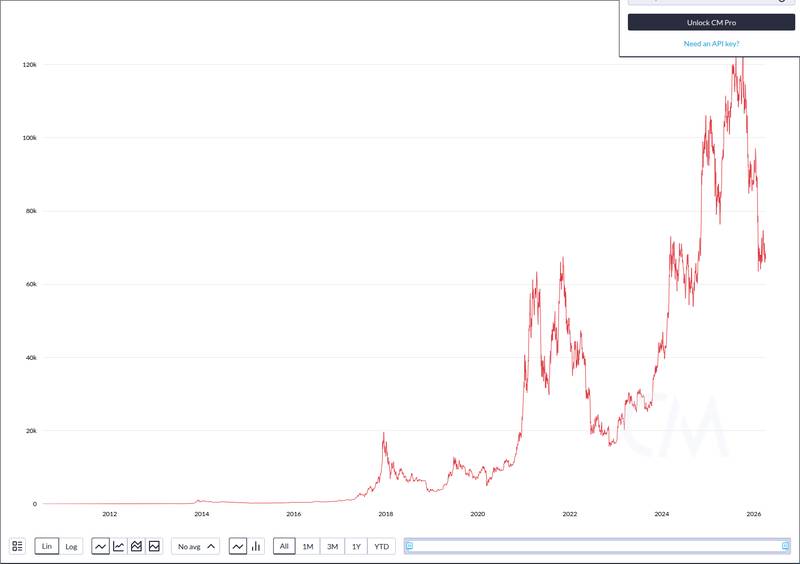
Bitcoin traded at $69,131 at press time, with a market cap near $1.38 trillion and 24-hour volume above $40.8 billion. That liquidity is increasingly flowing through ETF wrappers rather than app-based interfaces.
Stablecoins tell a similar story. Delphi Digital noted that circulating stablecoin supply has grown from about $30 billion at the start of 2021 to over $300 billion, with more than $30 billion of USDC and USDT on Solana, BSC, Arbitrum, Avalanche, and Aptos generating an estimated $1.1 billion annually for Circle and Tether.
That growth is pulling capital into yield-bearing stablecoin strategies and away from riskier app-layer protocols. Investors exploring which tokens still show promise are increasingly weighing that concentration risk.
This does not mean crypto innovation is dead. It means the bar for survival has risen. Apps that cannot compete with the simplicity and perceived safety of an ETF or a dollar-pegged stablecoin are losing the capital war.
What This Shift Means for the Crypto Market Next
For users, the consolidation means fewer choices but potentially more reliable ones. Platforms that survive this shakeout, whether through strong community traction or sustainable revenue models, will likely command larger shares of attention and liquidity.
For startups and smaller platforms, the environment is hostile. The Alternative.me Fear and Greed Index printed 11 on April 7, deep in “Extreme Fear” territory, consistent with capital retreating to perceived safe havens rather than exploring new apps.
Builders chasing the next wave of users may need to integrate with ETF infrastructure or stablecoin rails rather than competing against them. Projects tracking early-stage token opportunities face an investor base that now benchmarks everything against the passive returns of a Bitcoin ETF.
The causal link between ETF inflows and app shutdowns remains analytical rather than proven by a single study. But the numbers point in one direction: $87.3 billion in ETF assets, $315.8 billion in stablecoins, and a growing list of apps that could not hold onto enough capital to keep running.
Disclaimer: This article is for informational purposes only and does not constitute financial or investment advice. Cryptocurrency and digital asset markets carry significant risk. Always do your own research before making decisions.


About the author


US Freezes $344M in Iran-Linked Crypto, Targets IRGC Flows
The US has frozen $344 million in crypto tied to Iran, with Treasury targeting IRGC-linked flows. Here's what happened and why it matters.

Philippines Fintech Revolution Summit 2026 Opens Sponsorship, Speaking, and Exhibition Opportunities
The Fintech Revolution Summit Philippines 2026 is now officially inviting organizations, innovators, and industry leaders to participate as sponsors, speakers, and exhibitors at one of Southeast Asia’s most anticipated fintech gatherings.

Cardano Teams Seek $50M for Bitcoin DeFi, Vision 2030
Cardano teams are seeking nearly $50 million for Bitcoin DeFi projects and Vision 2030, marking a major funding request tied to the network's roadmap.

US Spot Bitcoin ETFs Add $1.9B in 7 Days, Led by BlackRock
US spot Bitcoin ETFs pulled in $1.9 billion over seven days, with BlackRock leading inflows. Here is what the streak signals for BTC demand.

GSR Debuts Active Multi-Asset Crypto Staking ETF on Nasdaq
GSR has debuted an active multi-asset crypto staking ETF on Nasdaq. Here is what the launch means, how the fund is positioned, and what investors should watch next.

BlackRock Bitcoin ETF Sees $900M Net Inflows in Five Days
BlackRock's Bitcoin ETF logged about $900 million in net inflows over five days, highlighting sustained investor demand and broader spot ETF momentum.
Related
US Freezes $344M in Iran-Linked Crypto, Targets IRGC Flows
The US has frozen $344 million in crypto tied to Iran, with Treasury targeting IRGC-linked flows. Here's what happened and why it matters.

Chainlink Data Services Go Live on AWS Marketplace
Chainlink data services are now live on AWS Marketplace. This article breaks down what the launch confirms, why the listing matters, and what it could signal for blockchain infrastructure distribution.

Coinbase to List Fluent (BLEND) USD Spot Pair
Coinbase is set to list Fluent (BLEND) against USD in spot trading. Here’s what the announcement means and what traders should watch next.
Cardano Teams Seek $50M for Bitcoin DeFi, Vision 2030
Cardano teams are seeking nearly $50 million for Bitcoin DeFi projects and Vision 2030, marking a major funding request tied to the network's roadmap.

US Bankers Association Seeks 60-Day Delay for Stablecoin Rules
The US Bankers Association is urging a 60-day delay before stablecoin rules take effect. This outline focuses on the pause request, regulatory timing, and market implications.

Lido Says 9% of EarnETH Hit by Kelp Hack, Staking Safe
Lido says the Kelp hack affected 9% of EarnETH exposure, while core Ethereum staking operations remain safe and stable. Here's what that means.