



The United States has frozen $344 million in cryptocurrency tied to Iran, with the Treasury Department targeting financial flows linked to the Islamic Revolutionary Guard Corps in one of the largest crypto-related enforcement actions to date.
What the $344 million crypto freeze involves
The U.S. government moved to freeze $344 million in cryptocurrency described as connected to Iranian networks. The action represents a significant escalation in the use of digital asset seizure tools for national security enforcement.
Tether, the issuer of the USDT stablecoin, confirmed its role in the operation. The company said it coordinated with OFAC and U.S. law enforcement to freeze the USDT tied to the designated entities.
The freeze targeted specific wallets rather than broad categories of crypto activity. No details about individual wallet addresses or transaction hashes have been publicly disclosed through the Treasury announcement.
Why Treasury is targeting IRGC-linked crypto flows
The enforcement action specifically names flows linked to the IRGC, placing the freeze within the framework of U.S. sanctions policy and national security priorities. The OFAC designations published on April 24 formalize the targeting of these networks.
The IRGC has been designated as a foreign terrorist organization by the United States since 2019. Treasury’s focus on crypto flows tied to the group signals that sanctions enforcement is increasingly extending into digital asset infrastructure, not just traditional banking channels.
This action is distinct from broader regulatory pressure on the crypto industry. It targets a specific sanctions-evasion network rather than imposing new rules on exchanges or protocols generally, a distinction that matters as platforms like Coinbase continue expanding their spot trading pairs under existing compliance frameworks.
What this means for crypto compliance and the wider market narrative
A freeze of this scale carries direct implications for exchanges and wallet providers. Compliance teams will need to review whether any flagged addresses interacted with their platforms, and OFAC’s updated Specially Designated Nationals list now includes the relevant crypto identifiers.
Tether’s voluntary coordination with law enforcement reinforces a pattern where stablecoin issuers act as chokepoints for sanctions enforcement. Companies operating blockchain analytics tools have tracked Iranian crypto activity as geopolitical tensions have escalated, providing the forensic backbone for actions like this one.
The growing role of on-chain data services in enforcement parallels their expansion in the private sector, where providers such as Chainlink have launched data services on major cloud platforms to support real-time verification infrastructure.
For the broader market, enforcement actions targeting specific illicit networks tend to have limited direct price impact. The significance is structural: it demonstrates that U.S. authorities can and will use crypto-native tools, including stablecoin freezes, to enforce sanctions at scale.
As regulatory frameworks continue to evolve across jurisdictions, events like the Philippines Fintech Revolution Summit 2026 reflect growing international attention to how digital assets intersect with compliance and enforcement standards.
Exchanges and compliance officers should monitor the OFAC website for updated wallet addresses and ensure their screening systems incorporate the new designations promptly.
Disclaimer: This article is for informational purposes only and does not constitute financial or investment advice. Cryptocurrency and digital asset markets carry significant risk. Always do your own research before making decisions.


About the author

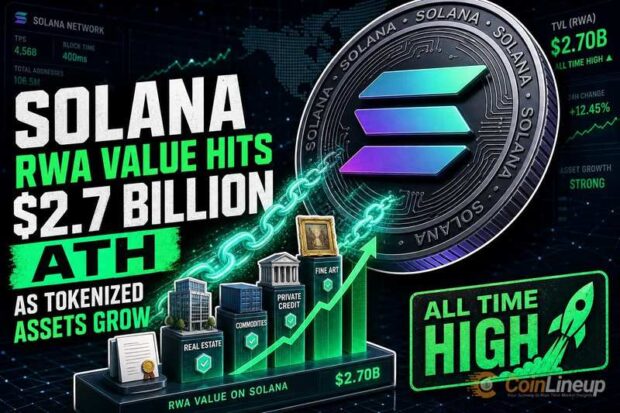
Solana RWA Value Hits $2.7 Billion ATH as Tokenized Assets Grow
Solana's real-world asset value has climbed to a record $2.7 billion. This outline covers the growth drivers, market context, and what the milestone means for Solana's RWA sector.
Token of Power exploit drains $1.58M from Balancer pool
Token of Power suffered an exploit that drained $1.58 million from a Balancer pool. This outline focuses on what happened, the immediate impact, and what comes next.
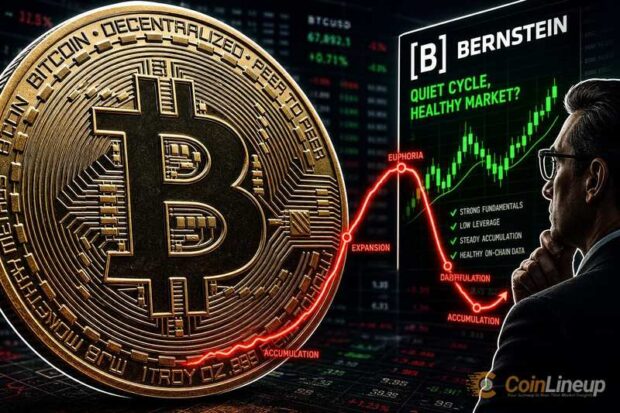
Bernstein Says Bitcoin’s Quiet Cycle May Be Healthier Than It Looks
Bernstein argues Bitcoin's subdued cycle may signal resilience, not weakness. Here's the key thesis, the pressure points, and what investors should watch.

Saif Faiq Pleads Guilty in Bitcoin Kidnapping Plot, Faces Up to 20 Years
Saif Faiq pleads guilty in a Bitcoin kidnapping plot case and could face up to 20 years in prison. Here is what the plea means and what comes next.
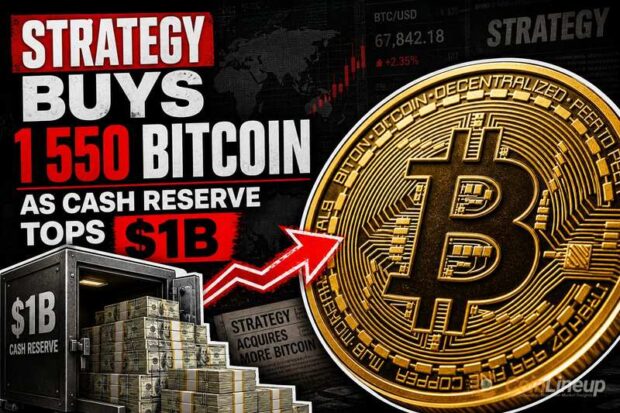
Strategy Buys 1,550 Bitcoin as Cash Reserve Tops $1B
Strategy purchased 1,550 Bitcoin for $101.3 million, marking another treasury move as its cash reserve reaches the $1 billion milestone.
Strategy Buys 1,550 BTC for $101.3M, Holdings Reach 845,256 BTC
Strategy bought 1,550 BTC for $101.3 million, lifting its total bitcoin holdings to 845,256 BTC as the company extends its treasury strategy.
Related
Solana RWA Value Hits $2.7 Billion ATH as Tokenized Assets Grow
Solana's real-world asset value has climbed to a record $2.7 billion. This outline covers the growth drivers, market context, and what the milestone means for Solana's RWA sector.
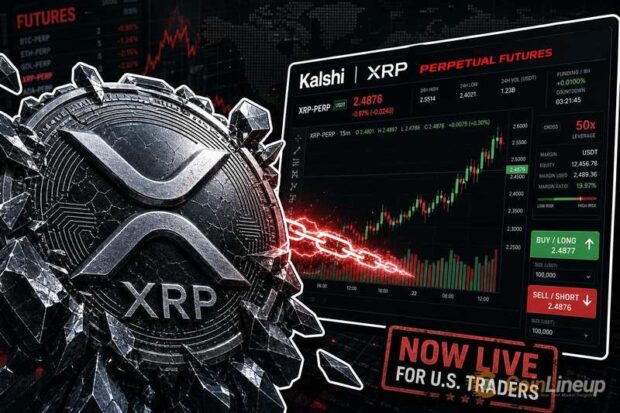
Kalshi Launches XRP Perpetual Futures for U.S. Traders
Kalshi has launched XRP perpetual futures for U.S. traders, expanding regulated crypto derivatives access and giving the market a new XRP trading venue to watch.

CME Launches Nasdaq Crypto Index Futures for BTC, ETH, XRP, SOL
CME has launched cash-settled Nasdaq crypto index futures tied to Bitcoin, Ethereum, XRP and SOL. Here’s what the new contracts cover and why the rollout matters.
Token of Power exploit drains $1.58M from Balancer pool
Token of Power suffered an exploit that drained $1.58 million from a Balancer pool. This outline focuses on what happened, the immediate impact, and what comes next.
Humanity Protocol’s H Token Falls 83% After Reported $30M Private Key Breach
Humanity Protocol's H token plunged 83% after a reported $30 million private key breach. Here is the core incident, market reaction, and what it means next.
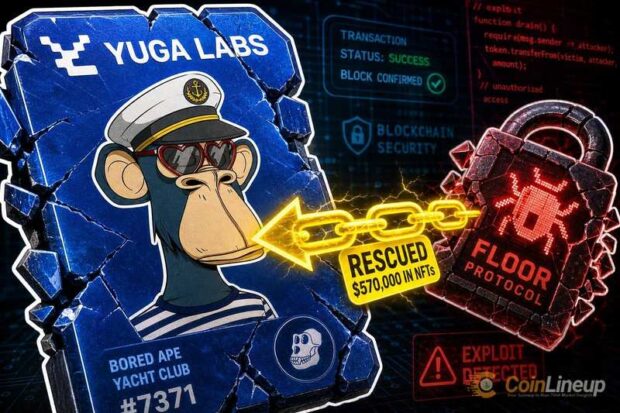
Yuga Labs Rescues $570,000 in NFTs After Floor Protocol Exploit
Yuga Labs stepped in after the Floor Protocol exploit to recover about $570,000 in NFTs. Here’s what happened, how the rescue worked, and why it matters.