


OKX is adding BlackRock’s BUIDL fund as collateral for institutional users, expanding the utility of tokenized real-world assets on centralized exchanges and giving professional traders a new option for capital efficiency.
What OKX’s BUIDL collateral move changes
The exchange is enabling institutional clients to post shares of BlackRock’s BUIDL fund, a tokenized U.S. Treasury money market fund managed through Securitize’s primary market platform, as collateral on the OKX trading platform.
The feature targets institutional users specifically, not retail traders. OKX has published terms and conditions for BUIDL rewards outlining eligibility and regional availability, with initial documentation referencing UAE-based access.
By accepting a yield-bearing tokenized fund as collateral, OKX lets institutions keep capital productive while it simultaneously backs trading positions. Traditional collateral options like USDC or USDT generate no yield for the depositor once locked.
Why BlackRock’s BUIDL matters as institutional collateral
BUIDL represents one of the largest tokenized fund products from a traditional asset manager. Its backing by BlackRock, the world’s largest asset manager, gives it a credit profile that differs meaningfully from stablecoin collateral or volatile crypto assets.
For institutional desks, the practical advantage is balance-sheet efficiency. A fund that holds short-duration U.S. Treasuries and accrues yield while serving as margin collateral reduces the opportunity cost of maintaining trading positions on an exchange.
The move also signals growing exchange-level demand for tokenized real-world assets beyond simple stablecoin trading pairs. Where exchanges previously treated tokenized funds as tradeable products, accepting them as collateral integrates them deeper into exchange risk infrastructure, similar to how regulated stablecoin projects are finding new institutional use cases beyond payments.
What to watch after OKX adds BUIDL as collateral
Several details remain unconfirmed. The collateral haircut OKX applies to BUIDL positions, whether the feature extends beyond UAE-eligible accounts, and whether other tokenized funds will follow are open questions that the current documentation does not fully address.
The broader question is whether competing exchanges adopt similar collateral frameworks. If BUIDL collateral proves operationally sound on OKX, it creates pressure on rivals to accept tokenized fund shares, potentially accelerating how quickly institutional DeFi and CeFi infrastructure converges around real-world asset tokens.
Institutional adoption of tokenized collateral also raises risk management questions. Unlike stablecoins pegged to a dollar, a fund’s net asset value can fluctuate, and redemption windows may not align with liquidation timelines during volatile markets. As crypto platforms increasingly explore next-generation security and infrastructure upgrades, how OKX handles these edge cases in its margin engine will matter for institutional confidence in the product.
Disclaimer: This article is for informational purposes only and does not constitute financial or investment advice. Cryptocurrency and digital asset markets carry significant risk. Always do your own research before making decisions.


About the author

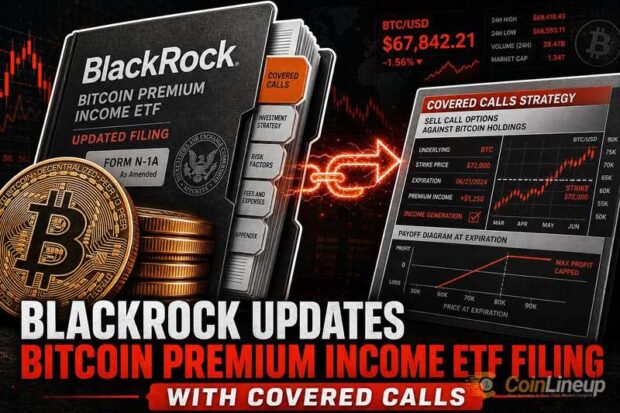
BlackRock Updates Bitcoin Premium Income ETF Filing With Covered Calls
BlackRock has updated its filing for a Bitcoin Premium Income ETF with a covered-call strategy. Here is what changed and what it could mean.
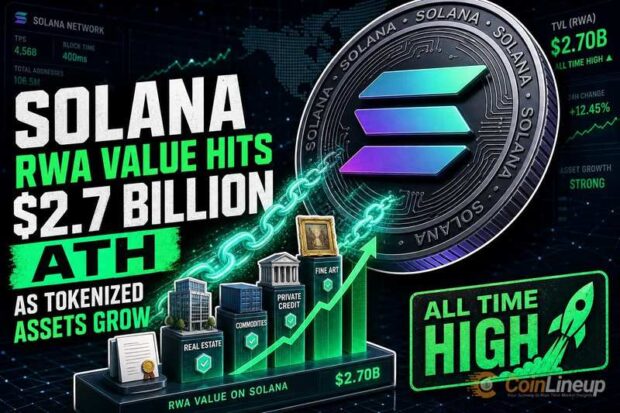
Solana RWA Value Hits $2.7 Billion ATH as Tokenized Assets Grow
Solana's real-world asset value has climbed to a record $2.7 billion. This outline covers the growth drivers, market context, and what the milestone means for Solana's RWA sector.

Token of Power exploit drains $1.58M from Balancer pool
Token of Power suffered an exploit that drained $1.58 million from a Balancer pool. This outline focuses on what happened, the immediate impact, and what comes next.
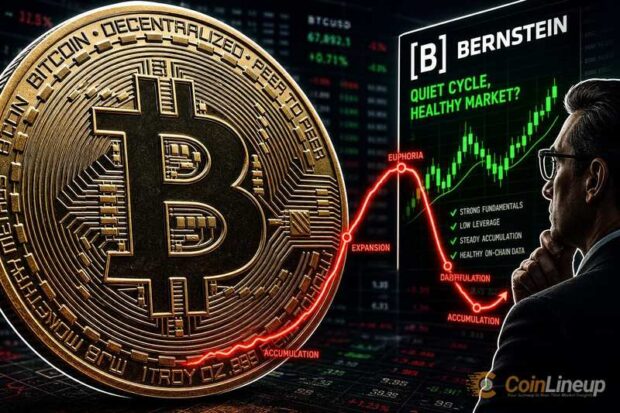
Bernstein Says Bitcoin’s Quiet Cycle May Be Healthier Than It Looks
Bernstein argues Bitcoin's subdued cycle may signal resilience, not weakness. Here's the key thesis, the pressure points, and what investors should watch.

Saif Faiq Pleads Guilty in Bitcoin Kidnapping Plot, Faces Up to 20 Years
Saif Faiq pleads guilty in a Bitcoin kidnapping plot case and could face up to 20 years in prison. Here is what the plea means and what comes next.
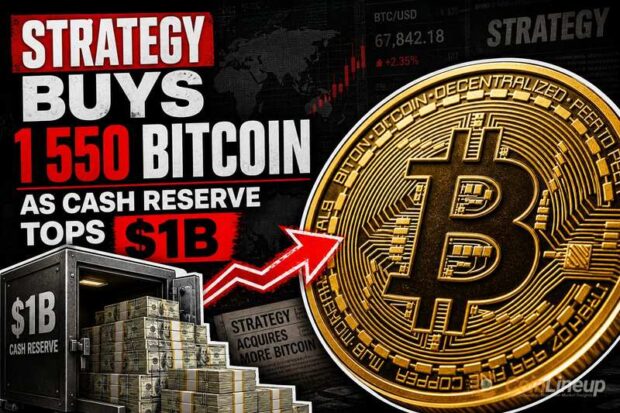
Strategy Buys 1,550 Bitcoin as Cash Reserve Tops $1B
Strategy purchased 1,550 Bitcoin for $101.3 million, marking another treasury move as its cash reserve reaches the $1 billion milestone.
Related
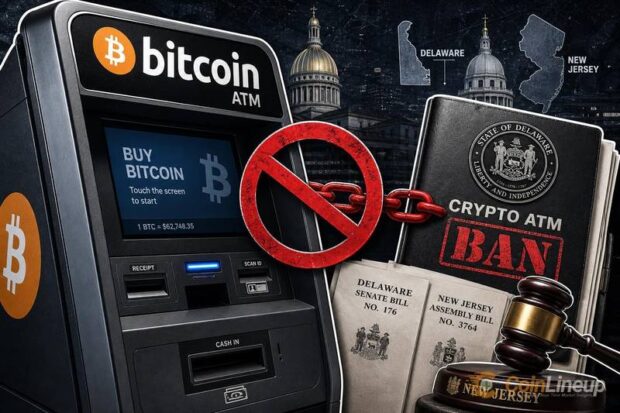
Delaware and New Jersey Advance Crypto ATM Ban Bills
Delaware and New Jersey are moving forward with crypto ATM ban bills, signaling tougher state scrutiny of kiosk operators, fraud risks, and compliance standards.
OpenAI Token Price Cuts Could Intensify Its Battle With Anthropic
OpenAI is reportedly weighing major token price cuts to win back users from Anthropic. Here is the SEO outline focused on pricing pressure, market impact, and what users should watch next.

Nigeria Senate Advances Crypto Regulation Bill to License Exchanges
Nigeria's Senate is advancing a crypto regulation bill focused on licensing exchanges. Here is the SEO outline covering the bill, scope, and industry impact.

Kalshi Adds Solana Perpetual Futures as DOGE, SHIB Await Approval
Kalshi launches Solana perpetual futures while DOGE and SHIB contracts await approval, signaling broader interest in crypto derivatives.
Solana RWA Value Hits $2.7 Billion ATH as Tokenized Assets Grow
Solana's real-world asset value has climbed to a record $2.7 billion. This outline covers the growth drivers, market context, and what the milestone means for Solana's RWA sector.
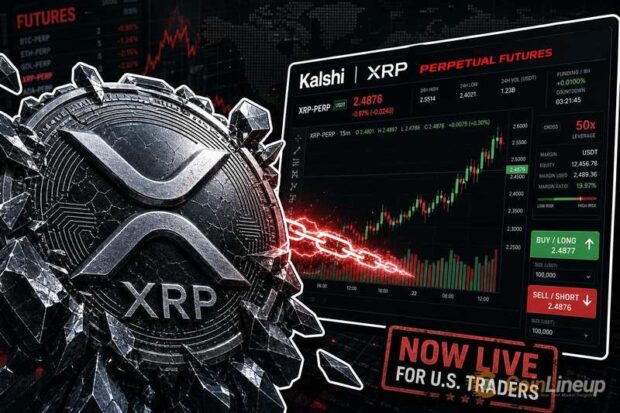
Kalshi Launches XRP Perpetual Futures for U.S. Traders
Kalshi has launched XRP perpetual futures for U.S. traders, expanding regulated crypto derivatives access and giving the market a new XRP trading venue to watch.