



Israel’s Capital Market, Insurance and Savings Authority has granted the first approval to distribute a stable digital coin in the country, clearing the way for BILS, a shekel-pegged stablecoin built on Solana, to move from a regulatory pilot into supervised distribution.
The approval covers BILS, a token pegged 1:1 to the Israeli shekel and issued by Bits of Gold, one of Israel’s longest-running crypto exchanges. The regulator specified that BILS must operate under strict conditions, including a predefined issuance volume and reserve assets held in designated and separate accounts within Israel.
The authority also noted that a broader digital-asset draft law is expected in the coming months, suggesting BILS is arriving ahead of a more comprehensive regulatory framework rather than as part of one.
How the Solana Pilot Led to Regulatory Approval
BILS did not appear overnight. Bits of Gold launched the token as a pilot on Solana in March 2024, making it redeemable 1:1 for Israeli shekels from the start. The pilot served as a live stress test, running for roughly two years before the regulator granted formal approval.
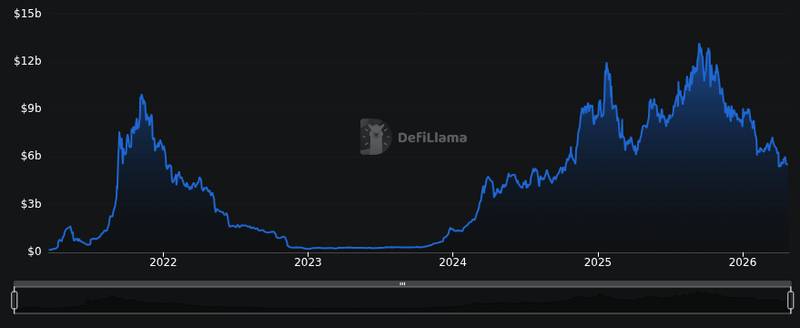
The choice of Solana gave the pilot access to low transaction fees and high throughput, two qualities that matter for a payments-oriented stablecoin. The network currently carries a total value locked of roughly $12.3 billion, placing it among the largest DeFi ecosystems available for stablecoin integration.
That the regulator allowed the pilot to run on a public blockchain, then approved distribution based on the results, sets a precedent for how other jurisdictions might evaluate stablecoin proposals. Solana itself continues to evolve technically; the network recently introduced a Falcon post-quantum signature scheme, signaling long-term infrastructure investment relevant to institutional stablecoin issuers.
What BILS Could Signal for Stablecoin Adoption in Israel
The BILS approval arrives while the Bank of Israel continues to explore a separate digital shekel project. The central bank has stated that any digital shekel would be a central-bank liability, making it fundamentally different from a private stablecoin like BILS.
This sequencing matters. Israel now has a supervised private shekel stablecoin reaching market before any CBDC launch, a pattern not yet seen in most advanced economies. For domestic crypto users, BILS offers a regulated on-ramp to shekel-denominated digital payments without waiting for the central bank’s timeline.
The global stablecoin sector now sits at roughly $292.6 billion in total market capitalization. Nearly all of that value is denominated in U.S. dollars through USDT and USDC. Shekel-pegged stablecoins occupy a negligible share, which means BILS is entering a market with minimal direct competition but also limited existing demand infrastructure. The EU has already begun targeting stablecoin flows tied to sanctioned entities, underscoring how quickly the regulatory landscape around stablecoins is shifting worldwide.
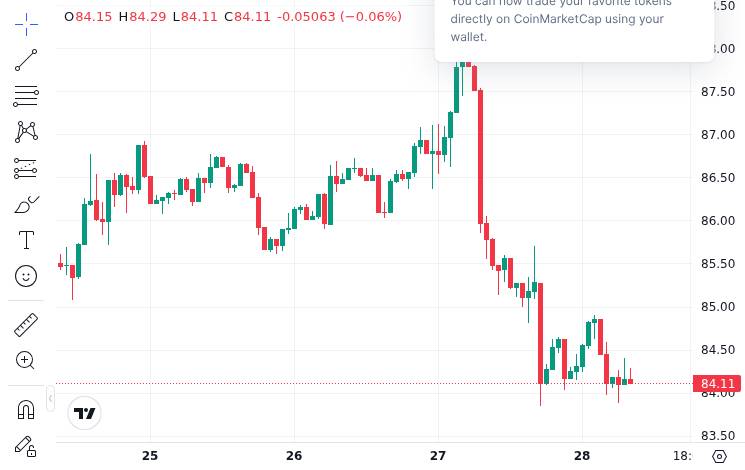
SOL, the native token of the blockchain hosting BILS, traded at $84.20 with a market cap near $48.5 billion at press time. The token was down roughly 2% over the prior 24 hours.
The broader market registered a Fear and Greed reading of 33, firmly in “Fear” territory, suggesting the BILS approval landed during a cautious period for crypto sentiment. Meanwhile, U.S. lawmakers are still debating stablecoin legislation, with senators like Thom Tillis pushing back over unresolved ethics provisions.
The regulator’s mention of forthcoming digital-asset legislation suggests BILS will eventually operate under a broader statutory framework. For now, the approval stands as a conditional, supervised green light, not an open-ended license.
Disclaimer: This article is for informational purposes only and does not constitute financial or investment advice. Cryptocurrency and digital asset markets carry significant risk. Always do your own research before making decisions.


About the author

OpenAI Token Price Cuts Could Intensify Its Battle With Anthropic
OpenAI is reportedly weighing major token price cuts to win back users from Anthropic. Here is the SEO outline focused on pricing pressure, market impact, and what users should watch next.

Nigeria Senate Advances Crypto Regulation Bill to License Exchanges
Nigeria's Senate is advancing a crypto regulation bill focused on licensing exchanges. Here is the SEO outline covering the bill, scope, and industry impact.

Kalshi Launches XRP Perpetual Futures for U.S. Traders
Kalshi has launched XRP perpetual futures for U.S. traders, expanding regulated crypto derivatives access and giving the market a new XRP trading venue to watch.
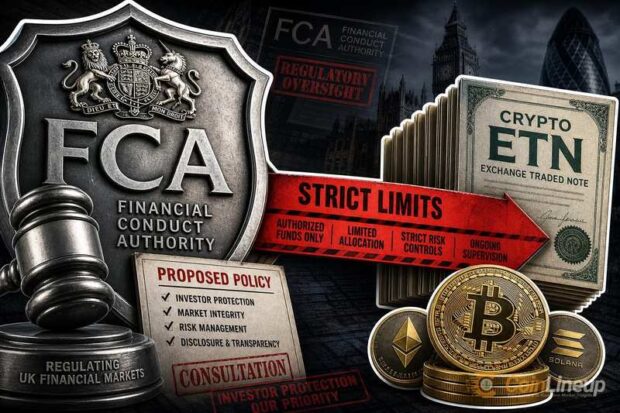
UK FCA Proposes Letting Authorized Funds Hold Crypto ETNs Under Strict Limits
The UK FCA has proposed allowing authorized funds to hold crypto ETNs under strict limits. Here’s what the proposal covers, who it affects, and why it matters.
Peter Schiff Pushes Back on Jamie Dimon’s Crypto Capital Rule Call
Peter Schiff challenged Jamie Dimon’s call to impose bank-level capital and compliance rules on crypto firms, sharpening the debate over regulation, risk, and market structure.

Crypto Prediction Markets Go Global, but Gambling Laws Could Force Them Local
Crypto rails helped prediction markets scale across borders, but gambling laws may force operators back into local compliance models. Explore the regulatory shift.
Related
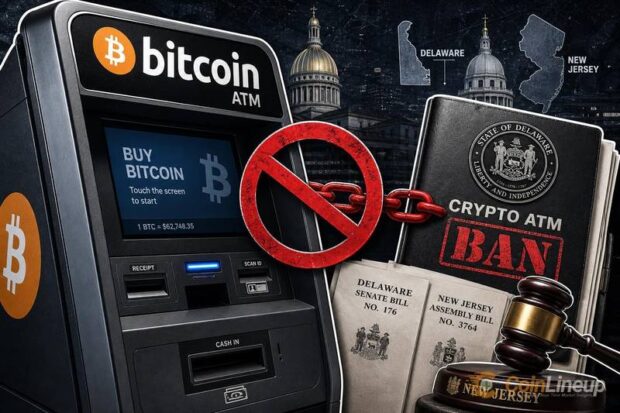
Delaware and New Jersey Advance Crypto ATM Ban Bills
Delaware and New Jersey are moving forward with crypto ATM ban bills, signaling tougher state scrutiny of kiosk operators, fraud risks, and compliance standards.
OpenAI Token Price Cuts Could Intensify Its Battle With Anthropic
OpenAI is reportedly weighing major token price cuts to win back users from Anthropic. Here is the SEO outline focused on pricing pressure, market impact, and what users should watch next.
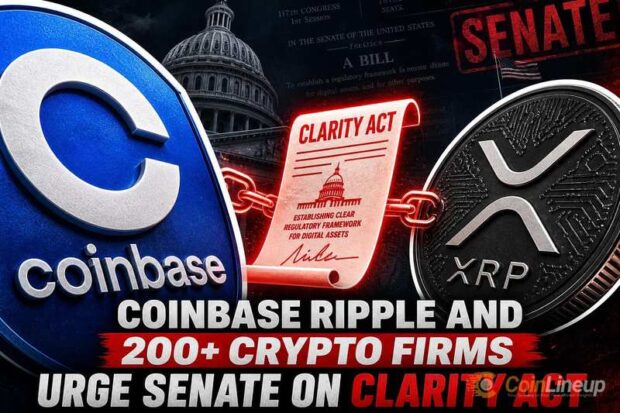
Coinbase, Ripple and 200+ Crypto Firms Urge Senate on CLARITY Act
Coinbase, Ripple and more than 200 crypto firms are pressing the Senate to act on the CLARITY Act. Here is what the push means for U.S. crypto regulation.

Top Crypto News for June 6: Bitcoin Selling Pressure Beyond Saylor Sale
A June 6 crypto news roundup focused on Bitcoin, trader reaction to Saylor's 32 BTC sale, and why broader selling pressure may matter more.

Helium CEO Amir Haleem Steps Down: What It Means for Helium
Helium CEO Amir Haleem is stepping down. Explore what the leadership change means for Helium, its network direction, and the wider crypto market.
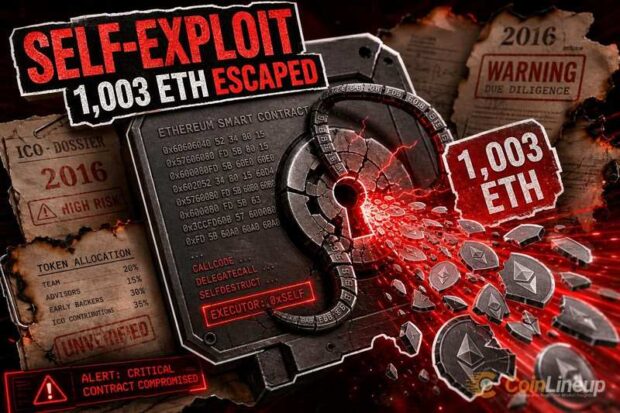
Failed 2016 Ethereum ICO Unlocks 1,003 ETH Through Self-Exploit
A failed 2016 Ethereum ICO has recovered 1,003 ETH through a self-exploit. Here’s what happened, how the unlock worked, and why it matters.