


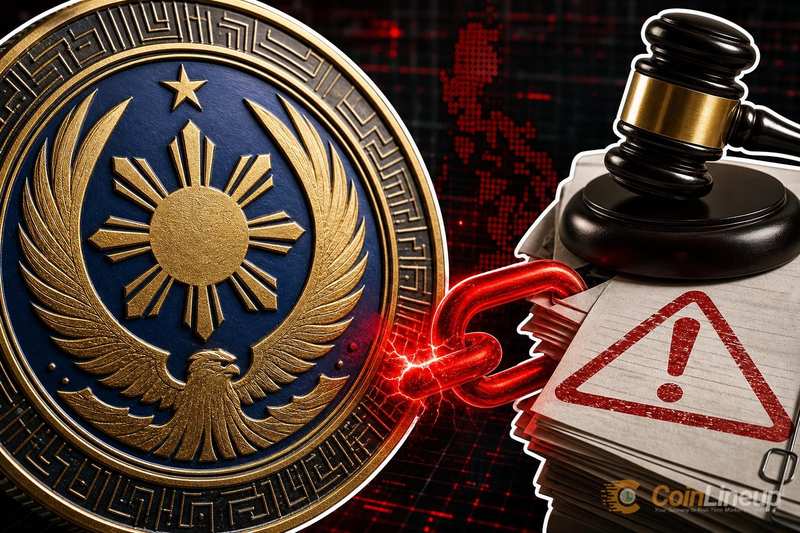
The Bangko Sentral ng Pilipinas (BSP) has issued new regulatory guidance tightening the rules around crypto token listing and ongoing monitoring for virtual asset service providers operating in the Philippines.
The updated requirements, published through the BSP’s 2026 regulatory issuances, impose stricter standards on how licensed crypto platforms evaluate tokens before making them available to users and how those platforms must continue to monitor listed assets over time.
What the BSP’s New Crypto Token Rules Change
The BSP’s framework now separates token oversight into two distinct obligations: pre-listing due diligence and post-listing monitoring. Licensed virtual asset service providers must meet heightened screening criteria before approving any new token for trading.
Under the stricter listing requirements, exchanges are expected to conduct deeper risk assessments on token projects, including evaluation of the issuer’s disclosures and the asset’s underlying utility. The regulatory text, accessible through the BSP’s regulations portal, signals a shift from a relatively permissive approval environment to one that demands documented compliance at the point of listing.
The monitoring component requires platforms to maintain ongoing oversight of listed tokens, not just a one-time review. This could lead to faster delistings if a token’s risk profile deteriorates after it begins trading.
How Stricter Monitoring Could Affect Exchanges and Token Issuers
The compliance burden falls most directly on BSP-licensed crypto exchanges and wallet providers. These platforms will need to build or expand internal review processes to satisfy both the listing gate and the continuous monitoring mandate.
Token issuers seeking exposure to the Philippine market may face longer approval timelines as exchanges implement the new screening procedures. Smaller projects with limited documentation or unclear governance structures are likely to find it harder to secure listings.
For compliance teams, the dual requirement means allocating resources not only to initial token evaluation but also to periodic reassessment of every asset already on the platform. This mirrors the approach regulators in other Asian markets have taken, including India, where authorities have issued tens of thousands of crypto tax enforcement notices as part of a broader crackdown on digital asset oversight.
Exchanges that already hold substantial crypto reserves, such as those tracked in rankings of major Bitcoin-holding entities, will face additional pressure to demonstrate that their listed tokens meet the new BSP standards.
Why the BSP Move Matters for the Philippines Crypto Market
The BSP’s tighter rules could strengthen investor protection by filtering out poorly documented or high-risk tokens before they reach retail users. For a market where crypto adoption has grown rapidly, clearer listing standards add a layer of legitimacy to the assets available on regulated platforms.
The trade-off is reduced token availability, at least in the short term. Projects that cannot meet the new disclosure and risk-screening thresholds will either be excluded from Philippine exchanges or face delays. As digital assets like Bitcoin continue to grow in market significance, the pressure on national regulators to define clear listing frameworks has intensified.
The BSP’s decision positions the Philippines alongside jurisdictions prioritizing structured oversight over open access. How efficiently exchanges adapt their compliance infrastructure to the new rules will determine whether tighter listing gates support or slow local market growth.
Disclaimer: This article is for informational purposes only and does not constitute financial or investment advice. Cryptocurrency and digital asset markets carry significant risk. Always do your own research before making decisions.

About the author

Philippines BSP Tightens Crypto Token Listing Rules
The Philippines' BSP has tightened crypto token listing and monitoring rules. Here's what changed, why it matters, and who could be affected.

The Future of Vaults: How Neobanks Will Hide DeFi
Explore why crypto vaults may evolve into neobank-style products, with DeFi yield, custody, and risk management hidden behind a simpler user experience.

Zimbabwe Brings Crypto Firms Under RBZ Oversight in New AML Rules
Zimbabwe is bringing crypto firms under RBZ oversight through new AML rules, signaling tighter compliance requirements for the country’s digital asset sector.

Tennessee Man Charged in Alleged $1.9M Crypto Ponzi Scheme
A Tennessee man is facing federal charges tied to an alleged $1.9 million crypto Ponzi scheme. Here is what the case alleges, what investors need to know, and why it matters.
Poland President Vetoes Crypto Market Regulation Bill for Third Time
Poland's president has vetoed a crypto market regulation bill for the third time, raising fresh questions about oversight, compliance, and the country's digital asset policy path.
Ripple and Bitso Bring MXNB Stablecoin to XRP Ledger
Ripple and Bitso are expanding their partnership to bring the MXNB stablecoin to the XRP Ledger. Here is what the move could mean for XRPL users.
Related

India Issues 44,000 Crypto VDA Tax Notices, Finds $104 Million in Hidden Income
India has issued 44,000 crypto VDA tax notices and identified $104 million in hidden income, signaling tighter enforcement for digital asset reporting and compliance.
The Future of Vaults: How Neobanks Will Hide DeFi
Explore why crypto vaults may evolve into neobank-style products, with DeFi yield, custody, and risk management hidden behind a simpler user experience.

Top Crypto News for June 13: Bitcoin Mining Difficulty Drop Leads 24H Update
A focused June 13 crypto news outline centered on Bitcoin's major mining difficulty drop, why it matters, and what traders should watch across the next 24 hours.

Coinbase Launches 24/7 Gold and Silver Futures for U.S. Traders
Coinbase has launched 24/7 U.S.-regulated gold and silver futures for U.S. traders, expanding round-the-clock access beyond crypto markets.
Ripple launches AI payment tools for XRP and RLUSD
Ripple is launching AI payment tools tied to XRP and RLUSD. Here is what the move appears to involve, how the assets may fit together, and why it matters.
Zimbabwe Brings Crypto Firms Under RBZ Oversight in New AML Rules
Zimbabwe is bringing crypto firms under RBZ oversight through new AML rules, signaling tighter compliance requirements for the country’s digital asset sector.