



The best crypto payment gateways for merchants are Stripe Stablecoin Payments, CoinGate, BitPay, MoonPay Commerce, Coinbase Commerce, and BVNK. The strongest platforms now win less through hype and more through settlement design, stablecoin support, compliance fit, and how much operational friction they remove from checkout to payout.
Merchants are not shopping for the same thing anymore. A small WooCommerce store may want low-friction plugin support and predictable settlement. A SaaS platform may care more about APIs, recurring billing, and dollar-denominated stablecoin logic. A cross-border business may care most about treasury timing and multi-currency payout control. That is why a merchant-focused ranking should start with operating fit, not with brand familiarity alone.
Which Crypto Payment Gateway Is Best For Merchants?
For merchants, Stripe Stablecoin Payments is the best option when the business already runs on Stripe and wants the cleanest path into fiat-settled stablecoin acceptance. The strongest broader all-rounder is CoinGate, while BitPay remains the safest conservative choice for compliance-heavy operations.
What Merchants Should Evaluate First
Before comparing individual platforms, merchants should check six things first:
- transaction fee and hidden cost structure
- payout speed and fiat-settlement flexibility
- supported coins and chains, especially USDC and USDT
- custody model
- plugin or API integration quality
- compliance burden for the business itself
That list matters because payment gateways stop being useful the moment they look good in marketing copy but slow down cash flow, complicate treasury operations, or create integration debt.
Quick Merchant Comparison
| Gateway | Best for | Fee | Fiat payout | Custody model | Integration |
|---|---|---|---|---|---|
| Stripe Stablecoin Payments | Stripe-native merchants | 1.5% | Yes | Stripe-managed | Checkout, Elements, Payment Links, Invoicing |
| CoinGate | balanced online merchants | 1% | Yes | managed | plugins, API, buttons, billing |
| BitPay | conservative compliance-first merchants | 1-2% + $0.25 | Yes | managed | plugins, invoices, online and in-store |
| MoonPay Commerce | creators and app-driven stores | 2%, or 1% with HelioX | Yes | managed | SDKs, API, widgets, Shopify |
| Coinbase Commerce | crypto-native checkouts | 1% | structured settlement path | flexible | API and hosted checkout |
| BVNK | larger stablecoin-heavy businesses | custom | Yes | managed or hybrid | API, hosted payments, portal |
1. Stripe Stablecoin Payments
Introduction
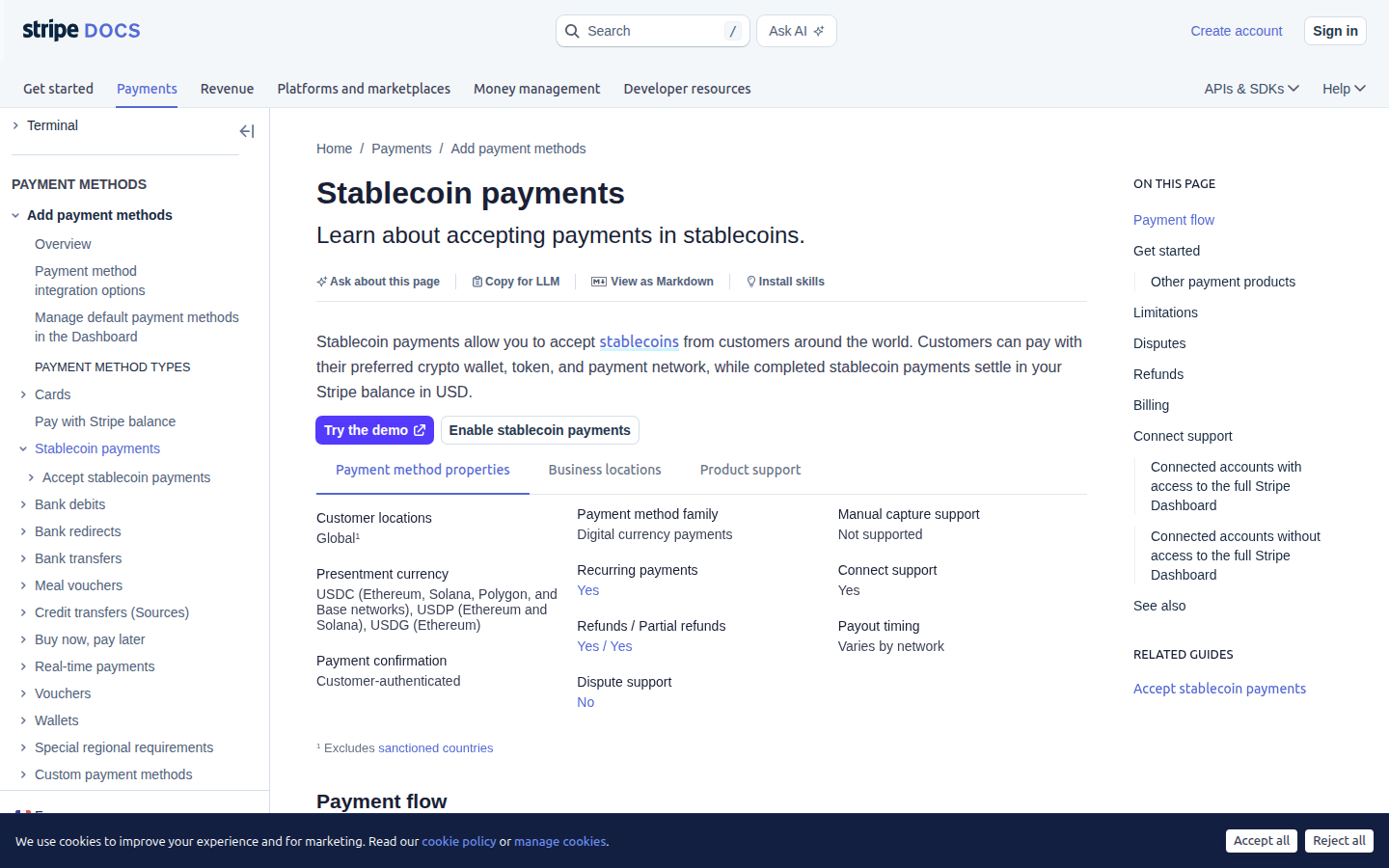
Stripe takes the top spot here because this version of the ranking is merchant-led, not crypto-maximalist. For businesses already using Stripe, stablecoin acceptance inside the existing Stripe stack removes more friction than most crypto-specific tools can.
Pros
- familiar Stripe checkout and invoicing environment
- fiat-settled merchant balance
- clear support for USDC, USDP, and USDG on named chains
- strong fit for subscriptions, SaaS, and businesses already inside Stripe operations
Cons
- narrower geographic availability
- stablecoin-focused rather than broad-crypto
- not ideal for merchants who want direct self-custody or a large long-tail token list
Quick Specs
- Transaction fee: 1.5%
- Coins: USDC, USDP, USDG
- Chains: Ethereum, Solana, Polygon, Base
- Integration: Checkout, Elements, Payment Links, Invoicing, API
2. CoinGate

Introduction
CoinGate is the strongest all-around merchant pick when the business needs a traditional payment-gateway feel but still wants crypto flexibility. It is easier to explain internally than many crypto-native stacks and easier to price than some enterprise-first processors.
Pros
- transparent 1% standard fee
- settlement into fiat, stablecoins, or crypto
- strong plugin, API, and billing options
- regulated operating model that suits mainstream businesses
Cons
- weekly automatic settlement on the standard plan is not ideal for every merchant
- KYC and AML burden is heavier than self-hosted or lighter crypto-native options
- less compelling for merchants who want full wallet-level control
Quick Specs
- Transaction fee: 1%
- Payout options: EUR, USD, stablecoins, crypto
- Asset coverage: public-facing support around BTC, USDC, and 10+ assets with broader multi-network support
- Integration: plugins, API, payment buttons, billing
3. BitPay
Introduction
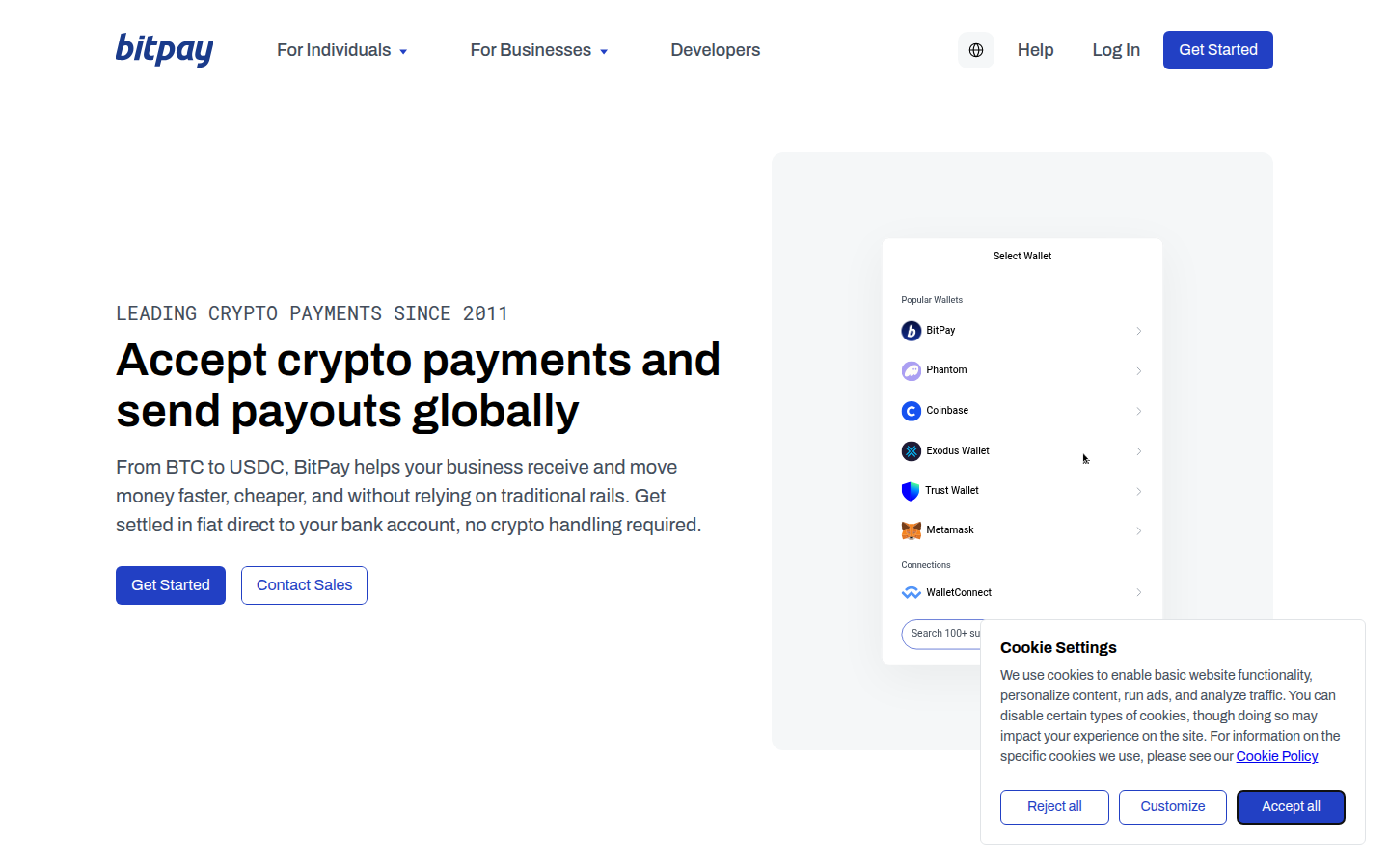
BitPay remains highly relevant for merchants that prefer a more familiar compliance-and-settlement model. It is not the newest product story in the category, but it still addresses a practical business question well: how to accept crypto without turning treasury and accounting into a side project.
Pros
- recognized merchant brand
- daily settlement structure
- fiat or crypto payouts
- plugin support for common e-commerce environments
Cons
- fee structure is higher than low-cost crypto-native rivals
- product feel is more processor-led than modern API-led
- less attractive for merchants chasing non-custodial control
Quick Specs
- Transaction fee: 1-2% + $0.25
- Settlement: fiat or crypto
- Asset support: major assets including BTC, ETH, LTC, DOGE, XRP, USDC, USDT and others
- Integration: Shopify, WooCommerce, Magento, invoicing, online and in-store
4. MoonPay Commerce
Introduction
MoonPay Commerce works best for merchants that are closer to product teams than to old-school retail operations. It is especially strong when embedded checkout, creator payments, app commerce, and developer tooling matter more than classic invoice processing.
Pros
- broad SDK and widget surface
- Shopify support
- optional auto-offramp to fiat
- strong product flexibility for fast-moving digital businesses
Cons
- standard fee is not low
- fee stack grows once swaps and auto-offramp are layered in
- heavier product surface than a simple merchant may actually need
Quick Specs
- Transaction fee: 2%, or 1% with HelioX
- Other fees: swaps 0.25%; auto-offramp 0.50%
- Asset coverage: thousands of supported cryptos
- Integration: SDKs, API, widgets, charges, pay links, Shopify
5. Coinbase Commerce
Introduction
Coinbase Commerce ranks lower here than it did in the broader Coincu draft because this article is more merchant-operations-focused. It is still excellent, but it speaks most clearly to crypto-native businesses rather than to every merchant equally.
Pros
- public 1% merchant fee
- strong onchain payment design
- flexible settlement path into self-custody or Coinbase-managed destinations
- useful for merchants that want USDC-centered crypto acceptance
Cons
- less turnkey for mainstream merchants than Stripe or CoinGate
- not the strongest plugin-first answer
- more naturally aligned with crypto-native teams than with general merchants
Quick Specs
- Transaction fee: 1%
- Customer payment coverage: hundreds of currencies through the onchain payment protocol
- Networks: Ethereum, Base, Arbitrum, Optimism, Polygon
- Integration: API and hosted checkout
6. BVNK
Introduction
BVNK makes the shortlist because some merchants are effectively stablecoin businesses even if they do not describe themselves that way. For these merchants, the question is not “How do we accept crypto?” but “How do we run stablecoin-based settlement safely at scale?” BVNK is one of the strongest answers to that larger question.
Pros
- strong stablecoin and enterprise payment positioning
- managed compliance is part of the offering
- API-led approach suits larger transaction environments
- good fit for platforms and higher-volume payment operations
Cons
- public pricing is not transparent
- less friendly to small merchants
- not a plugin-led SMB product in the way CoinGate or BitPay are
Quick Specs
- Transaction fee: custom / not publicly disclosed
- Payout: fiat and stablecoin operational flows
- Operating model: managed or hybrid
- Integration: API, hosted payment pages, portal tools
Best Picks By Merchant Need
- Best for existing Stripe merchants: Stripe Stablecoin Payments
- Best all-around store gateway: CoinGate
- Best conservative compliance-first option: BitPay
- Best for creators and app commerce: MoonPay Commerce
- Best for crypto-native businesses: Coinbase Commerce
- Best for larger stablecoin-driven operations: BVNK
Final Take
The best crypto payment gateway for merchants is Stripe Stablecoin Payments if the business already runs inside Stripe and wants the easiest bridge into fiat-settled digital-dollar acceptance.
The strongest broader merchant answer is still CoinGate, because it balances price clarity, payout flexibility, and merchant-friendly integration better than most rivals. BitPay remains the safe conservative pick, while MoonPay Commerce, Coinbase Commerce, and BVNK become stronger as the merchant shifts toward product-led, crypto-native, or enterprise stablecoin workflows.
References
- Stripe. Stablecoin Payments
- CoinGate. Pricing
- CoinGate. Accept Crypto Payments
- BitPay. Business Payments
- NOWPayments. Pricing
- MoonPay Commerce. Pricing & Fees
- Coinbase. Commerce Onchain Payments
- BVNK. Payments
Disclaimer: This article is for informational and editorial purposes only and does not constitute legal, tax, or financial advice. Gateway terms, fee schedules, chain support, and merchant eligibility can change quickly and should be verified directly with each provider before deployment.


About the author


BloFin War of Whales 2026 Grand Prix opens registration for $5M trading championship
Road Town, Virgin Islands, 15th May 2026

Bybit Ranks No. 2 in Open Interest Among Major Crypto Exchanges, Leads CEXs in OI-to-Volume Ratio
Dubai, UAE, 15th May 2026, Chainwire
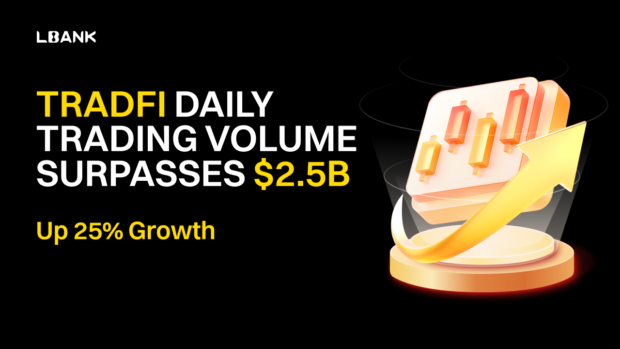
LBank Reports $2.5 Billion Daily TradFi Trading Volume, Up 25% Since March
Singapore, Singapore, 13th May 2026, Chainwire

BASIS.pro Is Live: Base58Labs Officially Launches Crypto Arbitrage Platform
London, United Kingdom, 13th May 2026, Chainwire

KnoxNet Introduces the First Dual-Domain Layer-1 Privacy Network Where the Internet Is Optional
London, UK, 10th May 2026, Chainwire

BTCC Exchange and AFA Launch a Trading Championship with a Million-USDT Prize Pool and a Messi-Signed Jersey
Lodz, Poland, 7th May 2026, Chainwire
Related

Top Crypto Presale Picks: High-Risk vs. Safe Choices for 2025
Discover the top crypto presale picks for 2025 from high-risk coins like BullZilla and Little Pepe to safe utility projects such as Bitcoin Hyper and BlockchainFX. Compare their risk levels, ROI potential, and official presale links before investing.