


Key Takeaways:
- Prosecutors seek in-kind return of 94,643 seized BTC to Bitfinex.
- Restitution includes forked assets, framing bitcoin as property restored in kind.
- Court scrutinizes offsets so restitution doesn’t reduce criminal forfeiture punishments.
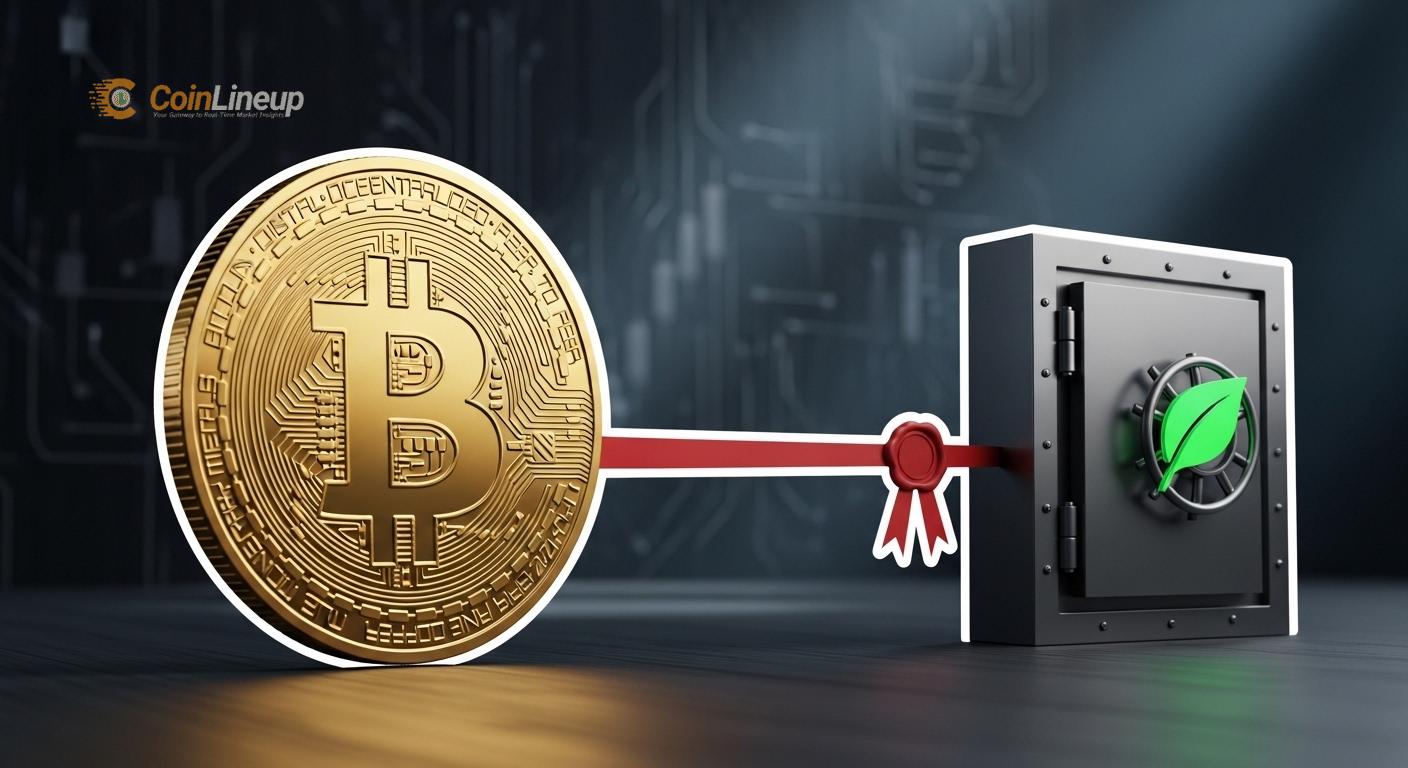
The court-ordered return of seized bitcoin to bitfinex is emerging as a test case for how U.S. restitution law applies to crypto hacks. Prosecutors have pursued in-kind restitution rather than cash, raising questions about how such returns interact with criminal forfeiture.
According to CoinDesk, U.S. prosecutors asked a federal court to authorize the in-kind return of 94,643 BTC, nearly 80% of the approximately 119,754 BTC stolen in 2016, along with forked assets such as Bitcoin Cash (https://www.coindesk.com/policy/2025/01/15/u-s-prosecutors-ask-court-to-green-light-return-of-95-000-stolen-bitcoin-to-bitfinex). The filing frames bitcoin as property that can be restored to the recognized victim in the same form, rather than liquidated to dollars.
As reported by Cointelegraph, authorities in October 2024 recognized Bitfinex as the sole victim eligible for restitution under the Mandatory Victims Restitution Act and the Crime Victims’ Rights Act, citing the exchange’s post-hack compensation program and related recoveries (https://cointelegraph.com/news/us-government-funds-bitfinex-hack-returned/). The report also notes that individuals who believe they qualify may submit statements or claims within the process outlined by prosecutors.
As reported by BitcoinInsider, the presiding court has sought clarity on whether returning assets to Bitfinex could improperly reduce any criminal forfeiture, referencing prior cases that viewed such offsets as improper (https://www.bitcoininsider.org/article/267382/new-york-judge-questions-return-recovered-funds-bitfinex-heres-why-it-matters). That judicial scrutiny underscores the need to separate compensatory remedies from punitive measures in crypto asset recoveries.
Under the Mandatory Victims Restitution Act, a victim is the party directly and proximately harmed by the offense of conviction. In exchange hacks, that can be the platform itself if it assumed customer liabilities and executed a formal recovery plan, as with Bitfinex’s BFX-token framework and redemptions.
This designation helps explain why restitution is sought to Bitfinex in kind. Because the exchange socialized and redeemed losses at the time, the statutory focus centers on who bore the loss then, not on later market appreciation or subsequent trading outcomes.
“Returning seized assets must not ‘reduce the amount of the forfeiture order,'” said Judge Colleen Kollar-Kotelly, referencing decisions that deemed similar returns “improper.” Her framing highlights the distinction between restitution, which aims to make the victim whole, and forfeiture, which punishes and deters crime.
In practice, courts aim to prevent restitution from offsetting forfeiture so that compensation and punishment remain distinct. Any final order may clarify how in-kind crypto restitutions can proceed without undermining forfeiture mandates in future cases.
For end users, recognition of Bitfinex as the legal victim indicates they may not directly receive seized BTC or forked assets. Any individual claims would likely depend on the court’s process and the specifics of prior compensation instruments and documentation.
This article is for information purposes only and does not constitute legal advice.
Disclaimer: CoinLineup.com provides cryptocurrency and financial market information for educational and informational purposes only. The content on this site does not constitute financial, investment, or trading advice. Cryptocurrency and stock markets involve significant risk, and past performance is not indicative of future results. Always conduct your own research and consult a qualified financial advisor before making any investment decisions.

About the author

Bitcoin sees court-ordered return to Bitfinex under MVRA
BTC was returned to Bitfinex as in-kind restitution under the Mandatory Victims Restitution Act, clarifying victim status and how it interacts with forfeiture.

BNB tests $656 resistance as volume thins
BNB price rallies into $650–$660 supply on declining volume, data show rejection risk at $656; confirmation is a close above $656–$660; supports at $620–$600.

Kraken xStocks explained as Kraken clarifies xPoints
Kraken xStocks, xPoints program, token issuance are clarified under EU rules, covering 1:1 backing, mint/redeem, custody, issuer roles, and Nasdaq plans.

Tencent eyes WeChat agentic AI amid testing, privacy checks
Analysts say Tencent’s WeChat AI agent could tie chat mini-programs and payments to aid monetization, while timing, privacy and OpenClaw tests remain unclear

Bitcoin trades as data clarifies BlackRock–Coinbase transfer
On-chain data and wallet attribution examine the BlackRock Coinbase transfer, indicating Coinbase Prime custody activity tied to ETF flows, according to data.

Ether sees $21M on-chain buy as Arkham tracks flows
On-chain data from Arkham shows a $21 million ETH purchase by a whale, outlining accumulation signals, liquidity context, and ETH-BTC flow trends.
Related
BNB tests $656 resistance as volume thins
BNB price rallies into $650–$660 supply on declining volume, data show rejection risk at $656; confirmation is a close above $656–$660; supports at $620–$600.
Kraken xStocks explained as Kraken clarifies xPoints
Kraken xStocks, xPoints program, token issuance are clarified under EU rules, covering 1:1 backing, mint/redeem, custody, issuer roles, and Nasdaq plans.
Tencent eyes WeChat agentic AI amid testing, privacy checks
Analysts say Tencent’s WeChat AI agent could tie chat mini-programs and payments to aid monetization, while timing, privacy and OpenClaw tests remain unclear
Bitcoin trades as data clarifies BlackRock–Coinbase transfer
On-chain data and wallet attribution examine the BlackRock Coinbase transfer, indicating Coinbase Prime custody activity tied to ETF flows, according to data.
Ether sees $21M on-chain buy as Arkham tracks flows
On-chain data from Arkham shows a $21 million ETH purchase by a whale, outlining accumulation signals, liquidity context, and ETH-BTC flow trends.
Nillion (NIL) transitions as Binance backs ERC-20 swap
Notices confirm Binance Nillion ERC-20, NIL contract swap, cease mainnet support; deposit/withdrawal impact, swap mechanics, and how to verify details.