



Bitcoin whales holding more than 10,000 BTC accumulated roughly 270,000 coins over the past 30 days, marking the largest sustained buying streak since 2013. The wave arrived as exchange reserves dropped to levels not seen in over eight years, tightening the pool of easily tradable Bitcoin even as the broader market sits in extreme fear.
What the whale buying data actually shows
In crypto markets, “whales” refers to wallets holding more than 10,000 BTC. Bitfinex reported that these large holders accumulated approximately 270,000 BTC over the trailing 30-day window, describing it as the biggest sustained accumulation streak observed since 2013.
CryptoSlate independently confirmed the same signal on April 16, 2026, summarizing CryptoQuant data that matched the Bitfinex findings. The convergence of two separate analytics platforms on the same figure strengthens the reliability of the claim.
Accumulation alone does not guarantee an immediate price breakout. What it does signal is that the largest, most experienced holders in the market are choosing to add to positions rather than sell, even with Bitcoin trading at $77,571, up about 4.3% over 24 hours.
Why lower exchange reserves make this signal more important
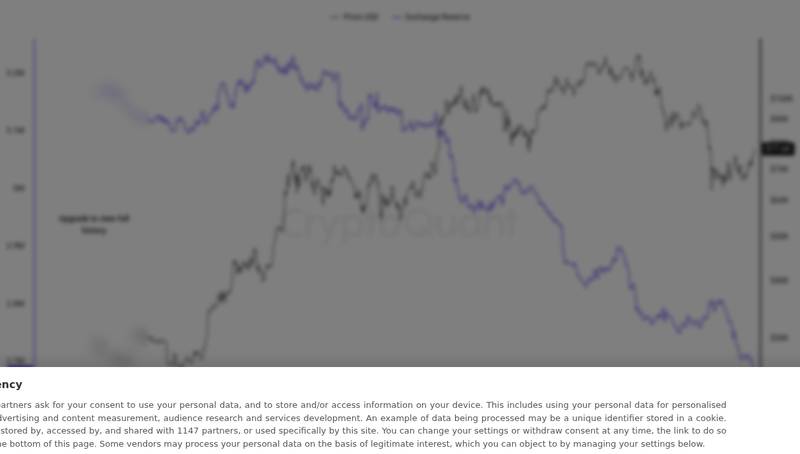
Exchange reserves represent the total amount of Bitcoin sitting on trading platforms, coins that are relatively easy to sell or trade at short notice. Bitfinex noted that these reserves fell to 2.21 million BTC, the lowest reading since December 2017.
The raw 270,000 BTC figure becomes more meaningful when translated into supply terms. Bitcoin’s circulating supply sits at roughly 20 million coins, which means whales absorbed about 1.35% of all circulating Bitcoin in a single month.
For additional context, 270,000 BTC equals roughly 34.6% of Strategy’s entire corporate reserve of 780,897 BTC. That comparison helps illustrate the scale: in 30 days, whale wallets collectively bought the equivalent of more than a third of what the largest corporate Bitcoin holder has accumulated over years.
Fewer coins on exchanges can tighten liquid supply over time, but this does not automatically translate into a price spike. Supply squeezes develop gradually, and sellers can always move coins back onto exchanges if conditions change.
What regular Bitcoin holders should watch next
The whale buying is not happening in isolation. US spot Bitcoin ETFs recorded net inflows of $411.4 million on April 14 and $186.1 million on April 15, 2026, according to Farside data. That two-day rebound in institutional demand adds a second channel of buying pressure on top of the on-chain whale accumulation.
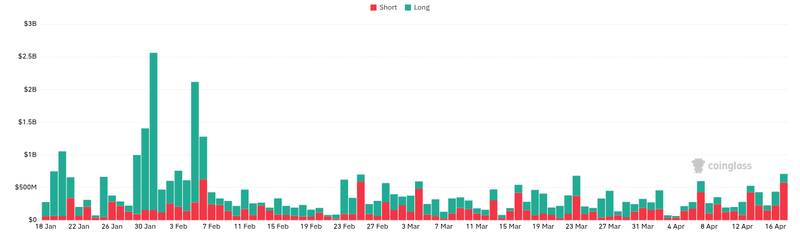
When whales and ETF investors are both pulling Bitcoin off exchanges simultaneously, the available trading supply contracts from multiple directions. This dynamic echoes patterns seen earlier this year when leverage returned to Bitcoin markets alongside tightening on-chain conditions.
Despite these bullish supply signals, conviction remains mixed. The Fear and Greed Index printed 21, labeled Extreme Fear, even as price rose 4.3% in a day. That disconnect between improving on-chain fundamentals and cautious sentiment suggests many market participants are not yet convinced the rally has legs.
The practical takeaway is straightforward: monitor exchange reserve trends, ETF flow data, and whether Bitcoin can hold above recent support levels. The supply picture is tightening, but as the broader crypto settlement infrastructure continues to evolve, how quickly that translates into sustained price movement depends on whether new demand keeps pace with the coins being pulled off the market.
Disclaimer: This article is for informational purposes only and does not constitute financial or investment advice. Cryptocurrency and digital asset markets carry significant risk. Always do your own research before making decisions.


About the author


UK Applies Sanctioned-Bank Treatment to Crypto Network Over $90B Claim
The UK has moved to treat a crypto network like a sanctioned bank after allegations it processed $90 billion tied to Russia-linked activity. Here is the core SEO outline.

Bitcoin Perps Get US Green Light, but One Catch Could Decide What Happens Next
Bitcoin perpetual futures have a US green light, but one unresolved catch could shape trader access, liquidity, and the market response.

Coinbase Opens Regulated Deribit Options for U.S. Institutions
Coinbase has opened access to regulated Deribit options for U.S. institutions, expanding institutional crypto derivatives access and market reach.

Sui Mainnet Experiences Network Stall, Pausing Activity
Sui mainnet experienced a network stall that paused activity across the chain. This outline covers what happened, likely impact areas, and what users should watch next.

Satoshi Nakamoto Bitcoin Lawsuit Says BTC Is Lost Property
A new lawsuit argues Satoshi Nakamoto's bitcoin should be treated as lost property. Here's what the claim means and why it matters for Bitcoin.

Sequans Drops Bitcoin Reserve, Returns to IoT Chips After Debt Clear
Sequans is abandoning its Bitcoin reserve plan and refocusing on IoT chips after clearing debt. Here is the key context, strategic shift, and what it signals.
Related

How Bitcoin Could Price Trump’s Hormuz Reopening Claim This Weekend
A focused SEO outline on how Bitcoin may react if Hormuz reopens this weekend, including risk-on/risk-off signals, liquidity dynamics, and key market levels to watch.
Bitcoin Perps Get US Green Light, but One Catch Could Decide What Happens Next
Bitcoin perpetual futures have a US green light, but one unresolved catch could shape trader access, liquidity, and the market response.

CFTC Approves First U.S. Bitcoin Perpetual Futures
The CFTC has approved the first Bitcoin perpetual futures on a regulated U.S. exchange. Here is what the launch means for traders, market structure, and U.S. crypto access.
Satoshi Nakamoto Bitcoin Lawsuit Says BTC Is Lost Property
A new lawsuit argues Satoshi Nakamoto's bitcoin should be treated as lost property. Here's what the claim means and why it matters for Bitcoin.

CME to Move Bitcoin Futures and Options to 24/7 Trading
CME plans to move Bitcoin futures and options to 24/7 trading. Here is what changes for traders, which contracts are affected, and why the shift matters for crypto markets.

Trump Media’s Bitcoin Treasury Is Underwater — What the Crypto.com Transfer Signals
Trump Media's Bitcoin holdings are trading at a loss after a transfer to Crypto.com sparked speculation about a potential sale. Here's what the on-chain data shows.