


- Ethereum’s planned blob increases may not be enough to sustain Layer 2 transaction growth.
- Increased use of blobs indicates a growing demand for Layer 2 transactions.
- The balance between innovation and sustainability is crucial for Ethereum’s future.
- ETH burns are rising, surpassing Uniswap, due to blob adoption.
Ethereum is at a pivotal moment as its Layer 2 (L2) solutions continue to evolve. The introduction of blob technology has sparked discussions about its potential to enhance transaction efficiency and scalability. However, recent analyses suggest that the planned increases in blob capacity may fall short of sustaining the burgeoning demand for L2 transactions.
As Ethereum’s ecosystem grows, the adoption of blobs signals a significant shift in how transactions are processed. These blobs allow for more data to be bundled together, which can lead to faster and cheaper transactions on the network. Yet, the question remains: will this innovation be enough to keep pace with the increasing volume of transactions?
Increased adoption of blobs has also led to a notable rise in ETH burns, with the current rate surpassing that of Uniswap. This burning mechanism, designed to reduce the overall supply of ETH, adds another layer of complexity to the economic dynamics of the network.
As Ethereum navigates these changes, the balance between innovation and sustainability will be critical. Stakeholders must consider the long-term implications of these technological advancements while ensuring that the network remains robust and capable of handling future demands.

About the author

AI Key to Web3 Competitiveness, Says Gate CEO
Gate.io's CEO Dr. Han states AI will drive Web3's future, enhancing usability and integration.

Binance Initiates First Alpha Box Airdrop Event
Binance launches Alpha Box airdrop, starting at 18:00 UTC, requiring 242 points minimum.

Hong Kong SFC Introduces New Virtual Asset Regulations
Hong Kong's Securities and Futures Commission, led by CEO Julia Leung Fung-yee, announced new virtual asset regulations at Consensus 2026, introducing margin financing and perpetual contracts for select investors.

European Parliament Endorses Digital Euro With Dual Functionality
Pasquale Tridico and 48 EU lawmakers led the February 10, 2026 move in the European Parliament to endorse a digital euro proposal with online and offline capabilities.

Galaxy Digital CEO Predicts Decline in Cryptocurrency Speculation
Galaxy Digital's Mike Novogratz anticipates a shift from speculative to institutional investments in cryptocurrency.

Crypto.com CEO Acquires AI.com for $70 Million in Crypto
Crypto.com CEO Kris Marszalek acquired AI.com for $70 million in cryptocurrency. Unverified claims of a subsequent $500 million offer arise.
Related

US Bankers Association Seeks 60-Day Delay for Stablecoin Rules
The US Bankers Association is urging a 60-day delay before stablecoin rules take effect. This outline focuses on the pause request, regulatory timing, and market implications.

Lido Says 9% of EarnETH Hit by Kelp Hack, Staking Safe
Lido says the Kelp hack affected 9% of EarnETH exposure, while core Ethereum staking operations remain safe and stable. Here's what that means.

Polymarket Paris Weather Glitch Sparks $37K Scrutiny
Polymarket faces scrutiny after traders reportedly made $37K from a Paris weather market glitch, raising fresh questions about trust and market rules.
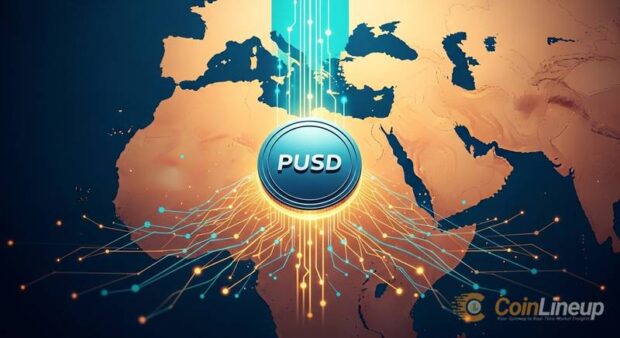
PUSD Launches on ADI Chain in Middle East Expansion
PUSD launches on ADI Chain as part of a broader Middle East stablecoin expansion. This outline focuses on the launch, its regional context, and what readers should watch next.
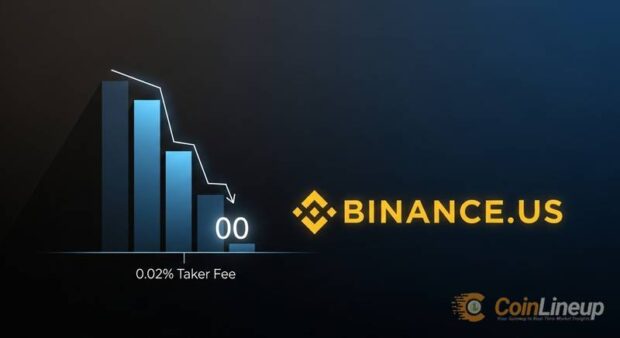
Binance.US Spot Trading Fees Fall to 0% for Makers, 0.02% for Takers
Binance.US has cut spot trading fees to 0% for makers and 0.02% for takers. Here’s what changed, who benefits, and why the move matters.

New York Seeks $3.4B in Crypto Fines Over Prediction Apps
New York is seeking $3.4 billion in crypto fines tied to prediction apps. This outline tracks the claims, the products involved, and the broader fallout.