


- Liberty Crypto Exchange launches, backed by regulatory approvals.
- MiCA compliance paves the way for expansion.
- Europe’s robust crypto framework comes into focus.
Liberty Crypto Exchange is rebranding from LCX, becoming a key player in Europe’s regulated crypto space. The company holds eight blockchain approvals from Liechtenstein’s regulator and is among the pioneers in MiCA compliance filings with ESMA.
Europe’s embrace of regulated crypto frameworks strengthens as Liberty Crypto Exchange launches, leveraging MiCA compliance. This strategic rebrand signals serious commitment to secure operations within Europe’s stringent regulatory landscape.
Liberty Crypto Exchange emerges from LCX’s rebranding efforts, establishing itself within Europe’s regulated landscape. Achieving eight crucial regulatory approvals, the exchange is set to offer compliant services under the MiCA framework. The company navigates through approved operations in Liechtenstein, Lithuania, Luxembourg, and Delaware in the US. “A year ago, we set out to build a stablecoin that could compete with the biggest names in crypto, and USD1 has exceeded every expectation.” – Zak Folkman, Co-Founder and COO, World Liberty Financial
With MiCA fully in force by June 2026, Liberty Crypto Exchange positions itself as a facilitator for compliant crypto activities, ensuring businesses can operate within Europe’s regulatory boundaries. This move aligns with LCX’s strategy to dominate Europe’s crypto space amid heightened enforcement.
Immediate effects of these developments on the crypto sector are significant. The exchange’s well-regulated infrastructure supports tokenization and asset validation, addressing demands for secure crypto trading. Regulatory backing opens doors for broader market participation and enhances investor confidence.
Beyond market dynamics, this development indicates a shift towards rigorous regulatory adherence in cryptocurrency activities. The emphasis on compliance underscores the importance of regulatory frameworks in shaping the future of crypto exchanges, influencing investor strategies and international participation.
The potential impact of MiCA compliance spans several aspects. Financially, it could attract institutional investments due to increased transparency. Technologically, the adoption might propel innovation aligned with security standards. Regulators and stakeholders will likely observe Europe’s model as a template for future crypto infrastructure developments globally.


About the author


AI Key to Web3 Competitiveness, Says Gate CEO
Gate.io's CEO Dr. Han states AI will drive Web3's future, enhancing usability and integration.

Binance Initiates First Alpha Box Airdrop Event
Binance launches Alpha Box airdrop, starting at 18:00 UTC, requiring 242 points minimum.

Hong Kong SFC Introduces New Virtual Asset Regulations
Hong Kong's Securities and Futures Commission, led by CEO Julia Leung Fung-yee, announced new virtual asset regulations at Consensus 2026, introducing margin financing and perpetual contracts for select investors.

European Parliament Endorses Digital Euro With Dual Functionality
Pasquale Tridico and 48 EU lawmakers led the February 10, 2026 move in the European Parliament to endorse a digital euro proposal with online and offline capabilities.

Galaxy Digital CEO Predicts Decline in Cryptocurrency Speculation
Galaxy Digital's Mike Novogratz anticipates a shift from speculative to institutional investments in cryptocurrency.

Crypto.com CEO Acquires AI.com for $70 Million in Crypto
Crypto.com CEO Kris Marszalek acquired AI.com for $70 million in cryptocurrency. Unverified claims of a subsequent $500 million offer arise.
Related

Polymarket Paris Weather Glitch Sparks $37K Scrutiny
Polymarket faces scrutiny after traders reportedly made $37K from a Paris weather market glitch, raising fresh questions about trust and market rules.

New York Seeks $3.4B in Crypto Fines Over Prediction Apps
New York is seeking $3.4 billion in crypto fines tied to prediction apps. This outline tracks the claims, the products involved, and the broader fallout.

GSR Debuts Active Multi-Asset Crypto Staking ETF on Nasdaq
GSR has debuted an active multi-asset crypto staking ETF on Nasdaq. Here is what the launch means, how the fund is positioned, and what investors should watch next.
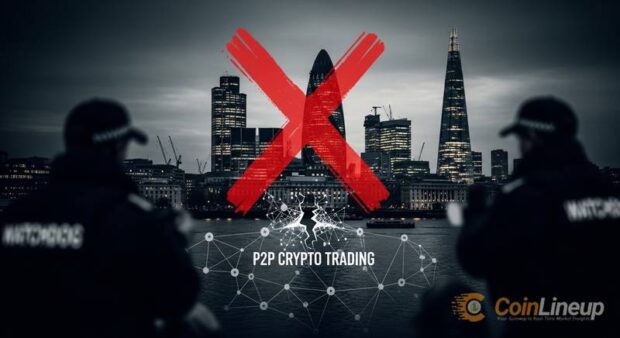
UK watchdog raids eight London sites over illegal P2P crypto trading
UK authorities raided eight London locations in a suspected illegal P2P crypto trading probe. Here is what happened and why it matters for compliance.

Umbra Front End Offline After Hackers Move Stolen Funds
Umbra took its front end offline after hackers moved stolen funds through the protocol. Here's what happened, why it acted, and what users should watch.

New York AG Sues Coinbase, Gemini Over Prediction Markets
New York Attorney General is suing Coinbase and Gemini over prediction markets. Here is what the complaint alleges and what users should watch.