



- Whale selloffs impact Shiba Inu’s market trend.
- Project leadership remains anonymous.
- Future governance paper teased by Shytoshi Kusama.
Shiba Inu’s price, led by project head Shytoshi Kusama, collapsed by over 10% in late May 2025 amid increased whale selloffs and decreased token burn rates.
Market reactions to Shiba Inu’s price decline underscore the token’s sensitivity to whale selloff patterns, impacting broader speculative and social dynamics.
Shiba Inu’s price dropped sharply, triggered by whale activity that reduced liquidity and market enthusiasm. The burn rate slowed, complicating the deflationary model used to maintain price stability.
Leadership remains largely anonymous, with Shytoshi Kusama as the primary communicator. The project hinted at a “final paper,” suggesting ongoing developmental efforts despite market turmoil.
“Excited to share that the final paper is almost ready. This will define the future for our ecosystem. Stay tuned!” – Shytoshi Kusama source
This price fall has financially affected meme tokens and associated assets, while broader market hesitation includes key cryptocurrencies like BTC and ETH, marking a risk-off period.
Financial markets respond with caution, reflecting on Shiba Inu’s price sensitivity and broader investor sentiment, with regulatory concerns being muted.
Historical volatility patterns among meme cryptocurrencies suggest continued uncertainty, while technical indicators show bearish trends. Insights indicate that improved burn rates could stabilize prices, though the regulatory landscape remains static.


About the author

AI Key to Web3 Competitiveness, Says Gate CEO
Gate.io's CEO Dr. Han states AI will drive Web3's future, enhancing usability and integration.

Binance Initiates First Alpha Box Airdrop Event
Binance launches Alpha Box airdrop, starting at 18:00 UTC, requiring 242 points minimum.

Hong Kong SFC Introduces New Virtual Asset Regulations
Hong Kong's Securities and Futures Commission, led by CEO Julia Leung Fung-yee, announced new virtual asset regulations at Consensus 2026, introducing margin financing and perpetual contracts for select investors.

European Parliament Endorses Digital Euro With Dual Functionality
Pasquale Tridico and 48 EU lawmakers led the February 10, 2026 move in the European Parliament to endorse a digital euro proposal with online and offline capabilities.
Galaxy Digital CEO Predicts Decline in Cryptocurrency Speculation
Galaxy Digital's Mike Novogratz anticipates a shift from speculative to institutional investments in cryptocurrency.
Crypto.com CEO Acquires AI.com for $70 Million in Crypto
Crypto.com CEO Kris Marszalek acquired AI.com for $70 million in cryptocurrency. Unverified claims of a subsequent $500 million offer arise.
Related

Polymarket Paris Weather Glitch Sparks $37K Scrutiny
Polymarket faces scrutiny after traders reportedly made $37K from a Paris weather market glitch, raising fresh questions about trust and market rules.
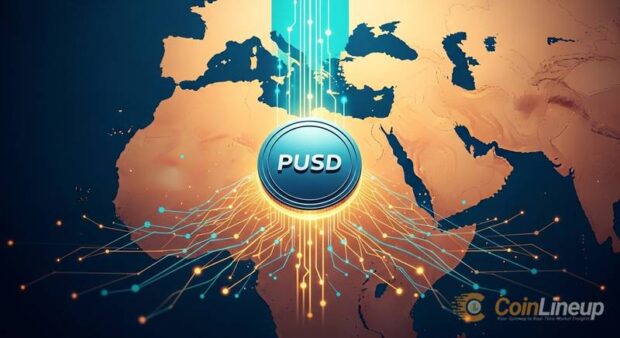
PUSD Launches on ADI Chain in Middle East Expansion
PUSD launches on ADI Chain as part of a broader Middle East stablecoin expansion. This outline focuses on the launch, its regional context, and what readers should watch next.
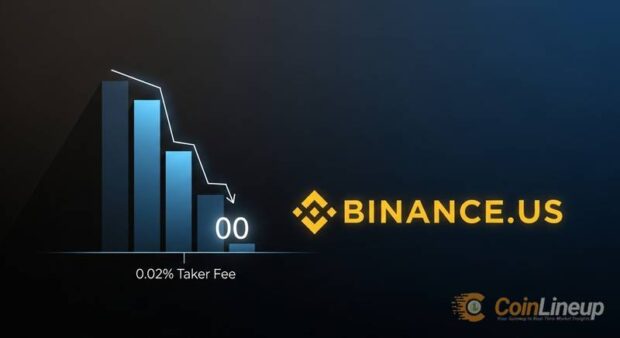
Binance.US Spot Trading Fees Fall to 0% for Makers, 0.02% for Takers
Binance.US has cut spot trading fees to 0% for makers and 0.02% for takers. Here’s what changed, who benefits, and why the move matters.

New York Seeks $3.4B in Crypto Fines Over Prediction Apps
New York is seeking $3.4 billion in crypto fines tied to prediction apps. This outline tracks the claims, the products involved, and the broader fallout.
GSR Debuts Active Multi-Asset Crypto Staking ETF on Nasdaq
GSR has debuted an active multi-asset crypto staking ETF on Nasdaq. Here is what the launch means, how the fund is positioned, and what investors should watch next.

Top Crypto News for Apr 22: 24H Roundup and CLARITY Act Fight
Read the top crypto news for Wed, Apr 22, with a 24-hour roundup focused on reported bank lobbying against the CLARITY Act and what to watch next.