


Key Takeaways:
- Positions stablecoins as tools reinforcing U.S. dollar dominance, not crypto rebellion.
- Channels private dollar tokens into regulated rails, extending global dollar reach.
- Design favors digital dollarization via reserves, clarity, issuer screening, CBDC prohibition.
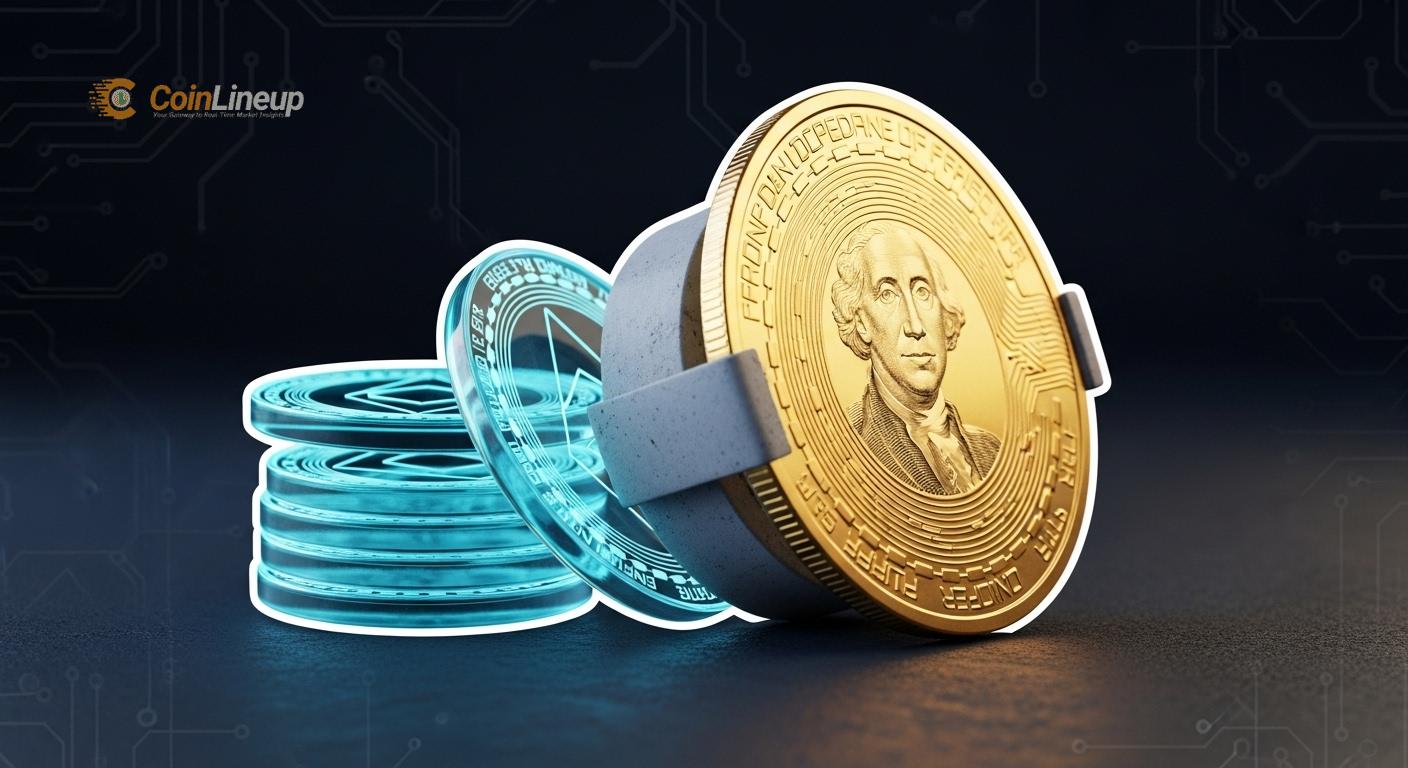
The genius act positions payment stablecoins as instruments of U.S. dollar dominance rather than crypto rebellion. It channels private dollar tokens into regulated rails that can extend the currency’s reach globally.
The framework leans on high-quality reserves, statutory clarity for “payment stablecoins,” screening of foreign issuers, and a prohibition on a U.S. CBDC, collectively embedding stablecoins in U.S. financial infrastructure. In practice, that design favors digital dollarization where users opt into dollar-denominated tokens under U.S. legal norms.
According to Barry Eichengreen, because nearly all leading stablecoins are pegged to the dollar, a law like the GENIUS Act is more likely to entrench the greenback’s global standing than to dilute it. That outcome would reflect network effects, liquidity, and regulatory certainty converging around dollar-pegged instruments.
The international implication is wider dollar substitution where local currencies and payment systems are fragile. Private, dollar-backed tokens could serve as a user-friendly on-ramp to the U.S. unit of account, even when issued outside traditional banks.
According to the Brookings Institution, the Act clarifies that “payment stablecoins” are distinct from securities and national currencies while subjecting them to rigorous reserve and reporting requirements. The analysis adds that usage is likely to cluster among users seeking easier access to U.S. dollars, especially in countries with weak financial systems.
Critics warn that excluding a U.S. CBDC while elevating corporate issuers risks privatizing key monetary functions. “Trojan horse” for privatizing money, said Yanis Varoufakis, economist, arguing the structure empowers private dollar liabilities with official imprimatur.
According to Columbia’s Center for Economic Growth, mandatory full-reserve backing in U.S. dollars and short-term Treasuries ties issuers into U.S. legal and market infrastructure and creates steady demand for U.S. government debt. The same gatekeeping tools over foreign issuers extend U.S. influence wherever these tokens circulate.
As reported by Elizabeth Warren, the framework could leave consumer-protection and illicit-finance gaps if not strengthened, even as it empowers stablecoins as potent financial instruments. Her critique underscores the tension between promoting dollar reach and maintaining robust safeguards.
Related reading: For state-level stablecoin context, see Wyoming’s FRNT pilot launch and our review of the unverified U.S. debt-and-stablecoin allegation.
Disclaimer: CoinLineup.com provides cryptocurrency and financial market information for educational and informational purposes only. The content on this site does not constitute financial, investment, or trading advice. Cryptocurrency and stock markets involve significant risk, and past performance is not indicative of future results. Always conduct your own research and consult a qualified financial advisor before making any investment decisions.


About the author


$LIBRA Crashes 99% After Argentine Prosecutor Findings
$LIBRA token plummets 99% after Argentine prosecutors present evidence linking President Milei to the cryptocurrency scandal. TRM Labs forensic analysis cited.
$LIBRA Token Scandal Expands as Milei Probed
Argentine President Milei faces investigation over $LIBRA token scandal that caused $80-100M in investor losses. Judicial documents show $5M payment allegation.

Cornell Unveils Institutional Voice Policy Amid Academic Freedom Debate
Cornell University releases new institutional voice policy guidelines. The Presidential Task Force outlines framework for university speech on social and political issues.

Bitcoin Strategy Purchases Exceed 30,000 BTC Forecast
Strategy's Bitcoin purchases this week surpass analysts' 30,000 BTC forecast, marking a significant acceleration in the company's accumulation strategy.

Key Takeaways: What factors drive cryptocurrency market movements?How do regulatory announcements affect digital asset prices?What should investors consider before entering crypto markets?Are there risks specific to digital asset investments?How can investors stay informed about market developments? Coinlineup Editorial TeamThis article was prepared and reviewed by the Coinlineup editorial team using public market data, blockchain sources, and industry reports to ensure transparent coverage of cryptocurrency markets. Investment DisclaimerThe information on Coinlineup is provided for informational and educational purposes only and should not be considered financial or investment advice. Cryptocurrency markets are highly volatile and involve significant risk. Readers should conduct their own research (DYOR) and consult a qualified financial advisor before making investment decisions. Content Disclaimer · Terms · Privacy · Affiliate

Oil Surges as US-Iran Tensions Rise, IEA Taps Reserves
Oil prices jump as US-Iran conflict intensifies; IEA approves strategic reserve release to stabilize supply. Market impact analysis.
Related
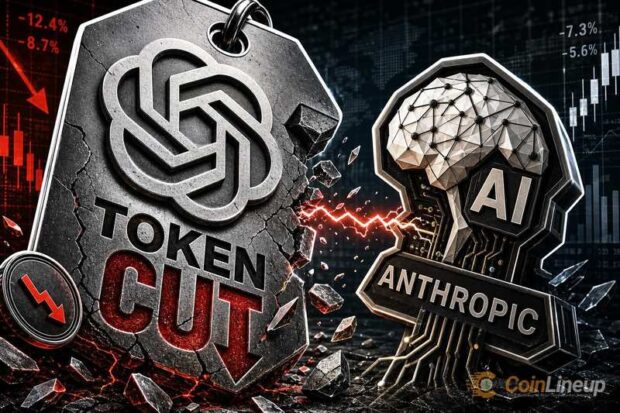
OpenAI Token Price Cuts Could Intensify Its Battle With Anthropic
OpenAI is reportedly weighing major token price cuts to win back users from Anthropic. Here is the SEO outline focused on pricing pressure, market impact, and what users should watch next.

Nigeria Senate Advances Crypto Regulation Bill to License Exchanges
Nigeria's Senate is advancing a crypto regulation bill focused on licensing exchanges. Here is the SEO outline covering the bill, scope, and industry impact.

Kalshi Adds Solana Perpetual Futures as DOGE, SHIB Await Approval
Kalshi launches Solana perpetual futures while DOGE and SHIB contracts await approval, signaling broader interest in crypto derivatives.
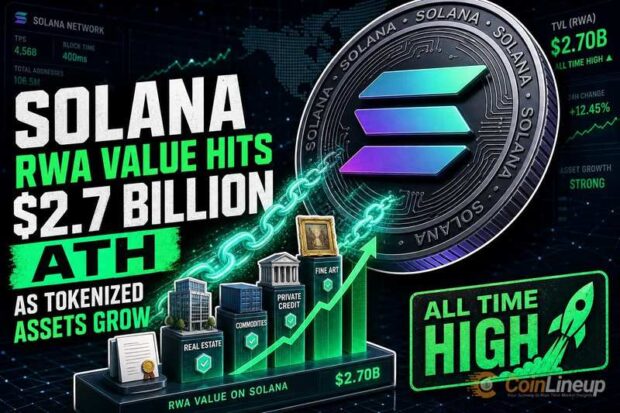
Solana RWA Value Hits $2.7 Billion ATH as Tokenized Assets Grow
Solana's real-world asset value has climbed to a record $2.7 billion. This outline covers the growth drivers, market context, and what the milestone means for Solana's RWA sector.
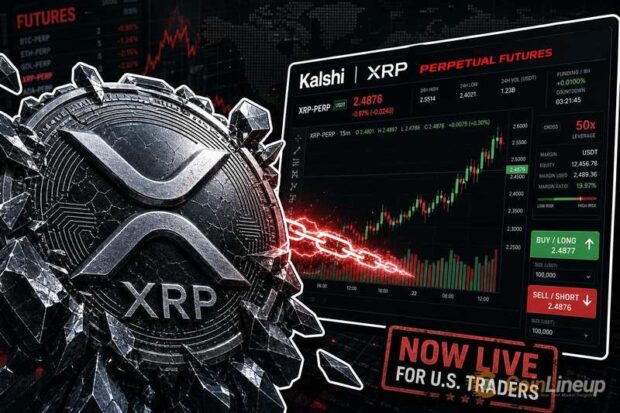
Kalshi Launches XRP Perpetual Futures for U.S. Traders
Kalshi has launched XRP perpetual futures for U.S. traders, expanding regulated crypto derivatives access and giving the market a new XRP trading venue to watch.

CME Launches Nasdaq Crypto Index Futures for BTC, ETH, XRP, SOL
CME has launched cash-settled Nasdaq crypto index futures tied to Bitcoin, Ethereum, XRP and SOL. Here’s what the new contracts cover and why the rollout matters.