


- UK authorities said they seized more than GBP 250,000 worth of illegal weight-loss medicines in Northampton.
- The official MHRA release framed the case as a public health and illicit manufacturing crackdown.
- For crypto readers, the story is mainly about founder reputation and compliance risk, not immediate market impact on major tokens.
UK authorities say they seized more than GBP 250,000 worth of illegal weight-loss medicines during a raid on a Northampton site, in what the Medicines and Healthcare products Regulatory Agency described as a landmark enforcement action. The case is notable for crypto readers because reports linked the site to businesses associated with a crypto founder, but the core event is still an enforcement and public safety story, not a token-market story.
That distinction matters. Too many crypto-adjacent headlines try to force every legal or reputational problem into a market narrative. Here, the direct effect on assets like BTC or ETH is negligible. The more useful angle is what the case says about trust, governance, and the risks founders create when their business footprint extends well beyond digital assets.
What the UK Authorities Confirmed
In its official release, the MHRA said officers dismantled a large illicit manufacturing facility in Northampton and seized raw chemical ingredients, packaging equipment, cash, and more than 2,000 unlicensed weight-loss pens awaiting dispatch. The agency estimated the street value of the finished products alone at more than a quarter of a million pounds. The full statement is available from GOV.UK.
The official release did not turn the case into a crypto market event. It focused on illegal manufacturing, public health risk, and suspected proceeds linked to medicines trafficking. That is the strongest verified core of the story and the part readers should trust most.
Why the Story Still Matters to Crypto Readers
Where crypto becomes relevant is at the reputation layer. When founders or operators linked to digital asset projects become associated with unrelated enforcement cases, investors and counterparties start asking harder questions about governance, disclosures, and who actually controls affiliated businesses. Even if the allegations do not involve on-chain misconduct directly, trust can still erode quickly.
That is why this story belongs in a broader pattern of compliance and credibility risk rather than in price speculation. Readers following regulatory pressure across the sector can compare it with enforcement-driven stories such as the SEC’s case against fake crypto trading platforms. The lesson is the same: weak controls outside a token project can still damage confidence inside it.
Until authorities publish more case-specific details, the prudent reading is narrow. The verified facts point to a major illegal drug seizure. Anything beyond that should be treated carefully unless supported by official records or direct statements from investigators.


About the author


Foresight Ventures Leads $30M Investment in PopDEX to Advance Trader-Centric Perp DEXs
Singapore, Singapore, 22nd May 2026, Chainwire

LBank Launches Elite Lead Trader Challenge with Enhanced Rewards for Top Trading Performance
Singapore, Singapore, 20th May 2026, Chainwire

Ourbit Super IPO Products SPAX and OPENAI See Active Market Participation
Singapore, Singapore, 19th May 2026, Chainwire

BloFin War of Whales 2026 Grand Prix opens registration for $5M trading championship
Road Town, Virgin Islands, 15th May 2026
Bybit Ranks No. 2 in Open Interest Among Major Crypto Exchanges, Leads CEXs in OI-to-Volume Ratio
Dubai, UAE, 15th May 2026, Chainwire
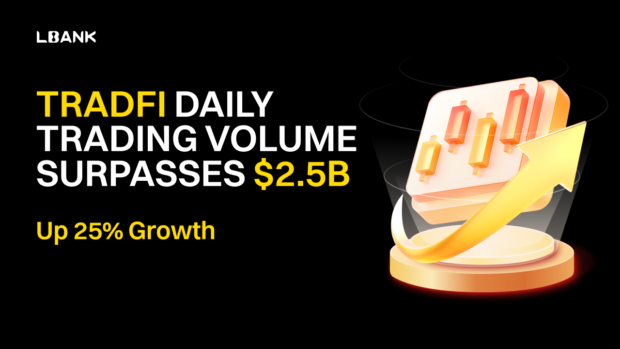
LBank Reports $2.5 Billion Daily TradFi Trading Volume, Up 25% Since March
Singapore, Singapore, 13th May 2026, Chainwire
Related
SharpLink Gaming Joins Russell Indexes as Ethereum Treasury Strategy Gains Traction
SharpLink Gaming has been added to Russell indexes as its Ethereum treasury strategy expands, signaling growing institutional validation for ETH-focused corporate treasuries.
OKX X Layer Launches Exchange OS to Let Builders Deploy Custom Crypto Markets
OKX's X Layer has launched Exchange OS, a platform letting builders deploy their own specialized crypto trading markets. Here's what it does and why it matters.

Coinhouse Secures Full MiCA License in France
Coinhouse has secured a full MiCA license in France, marking a notable step for crypto regulation, market access, and compliance in the EU.

Tether and Georgia Plan GEL₮, a Lari-Backed Stablecoin
Tether and Georgia are planning GEL₮, a Georgian lari-backed stablecoin. Here’s what the proposal could mean for local payments, regulation, and regional crypto adoption.

CADD Stablecoin Taps Anchorage Digital for Custody
CADD Stablecoin has selected Anchorage Digital for custody, signaling a security-focused move that could strengthen trust, compliance positioning, and market credibility.

Canaan Q1 Revenue Drops as Bitcoin and Ether Treasury Nears $148M
Canaan reported a Q1 revenue decline while its Bitcoin and Ether treasury approached $148 million, highlighting how the miner is balancing operating pressure with crypto asset accumulation.