


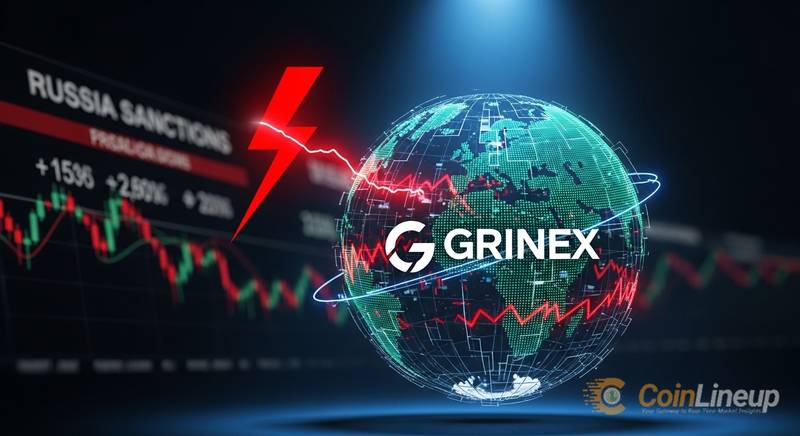

Grinex, a cryptocurrency exchange sanctioned by the U.S. Treasury Department over alleged ties to Russia sanctions-evasion networks, has reportedly been hacked. The incident adds a security crisis to an already fraught compliance situation for the platform, with reported losses potentially reaching $137.4 million.
What is being reported about the Grinex hack
According to a report from The Hacker News, the hack resulted in approximately $137.4 million in losses and forced the sanctioned exchange to shut down operations. The incident also reportedly affected Kyrgyzstani exchange TokenSpot.
Blockchain analytics firm TRM Labs published a separate assessment, describing the event as a $15 million theft affecting both Grinex and TokenSpot. The significant discrepancy between the two reported loss figures suggests the full scope remains unclear, with multiple attacks or differing accounting methodologies potentially at play.
No confirmed details about the exploit method, attacker identity, or specific wallet addresses have been independently verified. The situation remains developing, and readers should treat all figures as preliminary until on-chain forensic analysis is complete.
Why Russia sanctions-evasion scrutiny is part of the story
Grinex was designated by the U.S. Treasury Department’s Office of Foreign Assets Control (OFAC) as part of enforcement actions targeting Russia-linked crypto infrastructure. The Treasury press release outlined allegations that certain exchanges facilitated sanctions evasion for Russian entities.
Chainalysis has documented Grinex’s role within what it describes as a broader Russian crypto economy that drew OFAC sanctions in August 2025. That prior designation means the platform was already operating under significant legal and reputational pressure before the reported hack.
The sanctions-evasion angle is what elevates this incident beyond a routine exchange breach. Compliance exposure layered on top of a security failure raises questions about whether the platform maintained adequate security controls while operating in a legally contested space, similar to how UAE-based crypto firms have navigated regulatory pressure amid geopolitical tensions.
What the report could mean for users and the crypto market
Users of sanctioned exchanges face a compounded risk scenario. A hack on a platform already under U.S. sanctions means standard recovery mechanisms, such as law enforcement cooperation or insurance claims, may be unavailable or severely limited.
The incident echoes patterns seen in other exchange security failures where compliance issues and platform vulnerabilities intersected. Similar dynamics played out when Kelp DAO blamed LayerZero defaults for a major bridge incident, highlighting how infrastructure failures can cascade when oversight gaps exist.
For the broader market, the Grinex situation underscores ongoing risks at the intersection of sanctions enforcement and crypto security. The growth of new exchange integrations and Layer 2 infrastructure has expanded the attack surface that both regulators and threat actors are targeting.
The downstream impact will depend on confirmed disclosures from on-chain investigators and any follow-up enforcement actions. Whether the hack was opportunistic or targeted given the platform’s sanctioned status remains an open question that blockchain forensics firms are actively investigating.
Disclaimer: This article is for informational purposes only and does not constitute financial or investment advice. Cryptocurrency and digital asset markets carry significant risk. Always do your own research before making decisions.


About the author


PAIN: 2026 Has Wiped Out $500B From the Total Crypto Market
The total crypto market has shed $500 billion in 2026. This outline frames the selloff, the major drivers behind it, and what traders are watching next.
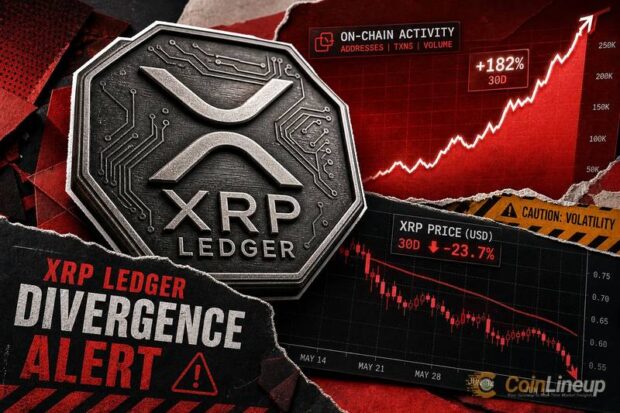
Messari: XRP Ledger Activity Rose 35% Despite XRP Price Slump
A Messari report says XRP Ledger activity climbed 35% even as XRP price weakened. Here’s what the data suggests about XRPL usage, network traction, and market sentiment.

Dash Says Crypto Forgot Its Original Killer App: Digital Cash
Dash argues crypto has drifted from its original purpose and says digital cash still matters most for real-world payments and adoption.

Crypto Lobbying Groups Spent 11X More on Republicans Than Democrats
A focused news outline on the claim that crypto lobbying groups spent 11 times more on Republicans than Democrats, covering the spending gap, political meaning, and market relevance.
SEC Alleges Texas Man Spent $6.2M in Investor Funds on Personal Expenses
The SEC says a Texas man raised millions for a fake AI crypto operation and diverted about $6.2 million in investor funds to personal spending. Here’s what was alleged and why it matters.

EU Unified Crypto and Gambling Tax Plan Targets €20B by 2034
The EU is preparing a unified crypto tax and gambling tax framework aimed at raising €20B in revenue between 2028 and 2034. Here is what the plan could mean for markets and policy.
Related
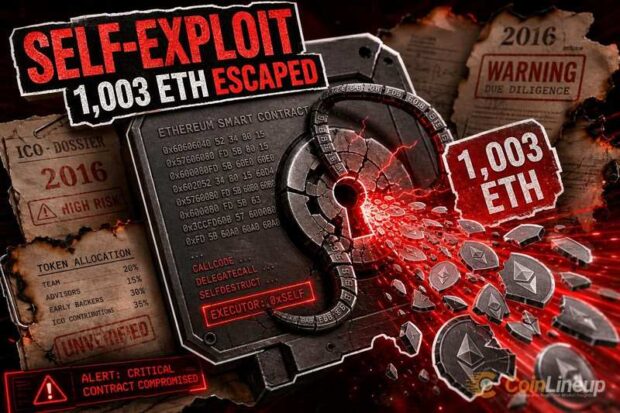
Failed 2016 Ethereum ICO Unlocks 1,003 ETH Through Self-Exploit
A failed 2016 Ethereum ICO has recovered 1,003 ETH through a self-exploit. Here’s what happened, how the unlock worked, and why it matters.

Bitmine Bought 26,497 ETH Last Week, Raising Holdings to 5.42M ETH
Bitmine added 26,497 ETH last week, lifting total holdings to 5.42M ETH. Here is what the latest accumulation means for Ethereum exposure and market attention.
Crypto Lobbying Groups Spent 11X More on Republicans Than Democrats
A focused news outline on the claim that crypto lobbying groups spent 11 times more on Republicans than Democrats, covering the spending gap, political meaning, and market relevance.
SEC Alleges Texas Man Spent $6.2M in Investor Funds on Personal Expenses
The SEC says a Texas man raised millions for a fake AI crypto operation and diverted about $6.2 million in investor funds to personal spending. Here’s what was alleged and why it matters.

Coinbase Opens Regulated Deribit Options for U.S. Institutions
Coinbase has opened access to regulated Deribit options for U.S. institutions, expanding institutional crypto derivatives access and market reach.

Texas Man Charged in Alleged $12.3 Million AI Crypto Arbitrage Scam
A Texas man faces charges over an alleged $12.3 million AI crypto arbitrage scam. This outline covers the accusations, how the scheme allegedly worked, and why the case matters for crypto investors.